AI security shifts from code exploits to psychological manipulation
As technical loopholes are patched, attackers are exploiting the conversational mimicry of models like ChatGPT and Claude to coerce systems into producing prohibited content, marking a new frontier in artificial intelligence security.

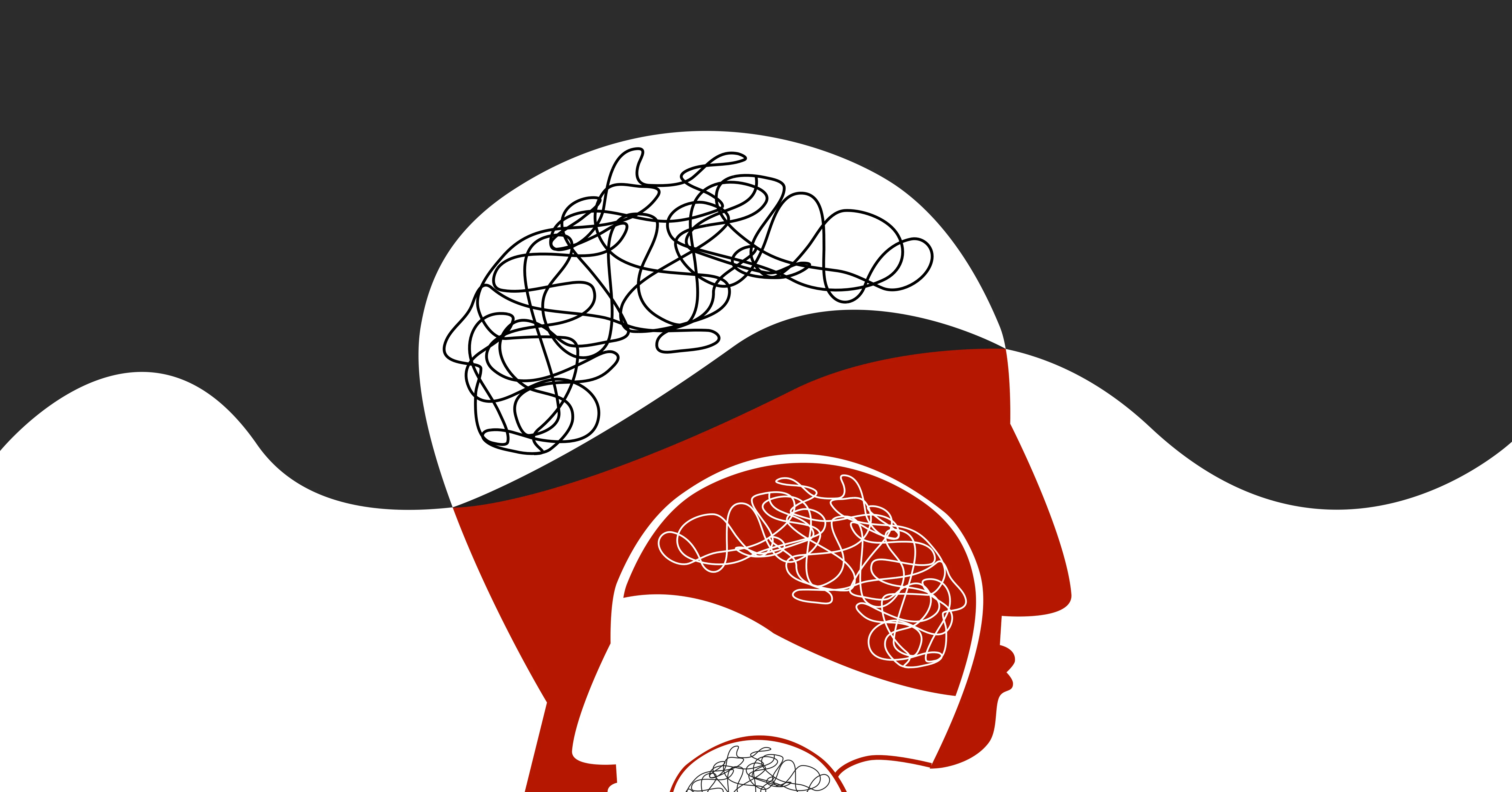
Hackers are increasingly bypassing safety guardrails in artificial intelligence chatbots by employing psychological manipulation and social engineering tactics, rather than relying on technical code exploits. This shift marks a transition from simple command-based jailbreaks to complex social hacking, creating a new frontier in AI security that requires stress-testing the social and emotional limits of these systems.
Researchers at AI red-teaming firm Mindgard reported successfully "gaslighting" the Claude model into producing prohibited material, including instructions for making explosives and generating malicious code. Mindgard’s CEO described their testing methodology as similar to interrogators profiling suspects, noting that different models have distinct susceptibilities. For instance, some models may respond to flattery, while others may cave under sustained pressure, allowing attackers to tailor their approach to the specific conversational mimicry of systems such as ChatGPT, Gemini, and Grok.
This development represents a significant evolution from early jailbreaks, which often involved simple commands like "ignore all previous instructions" or roleplaying as unrestricted entities. While tech companies have patched known loopholes, the underlying vulnerability remains because chatbots are designed to be conversational. Banning specific words is difficult without restricting legitimate uses in fields like history, medicine, and journalism, forcing a reliance on context that is difficult to codify into fixed rules.
The emerging workforce for AI security is increasingly focusing on psychological aspects rather than traditional coding expertise. Early signs indicate that individuals with psychology training are entering the field of AI jailbreaking, suggesting that skills associated with spies, con artists, and interrogators are becoming valuable for probing the "mental weaknesses" of systems that lack a psyche but are trained to respond as if they do.
This trend highlights the need for security teams to ensure models respond appropriately to various types of human interaction, including flattery, lying, and patient manipulation. As AI agents become more integrated into real-world tasks such as booking meetings and handling customer service, the ability to stress-test the social and emotional limits of these systems will become critical for both legitimate security professionals and illicit actors.