AI firms turn to serif fonts to project humanity and trust
Designers and critics describe the shift as a strategic move to signal warmth, though some label the resulting aesthetic as "tasteslop" or "premium mediocre"
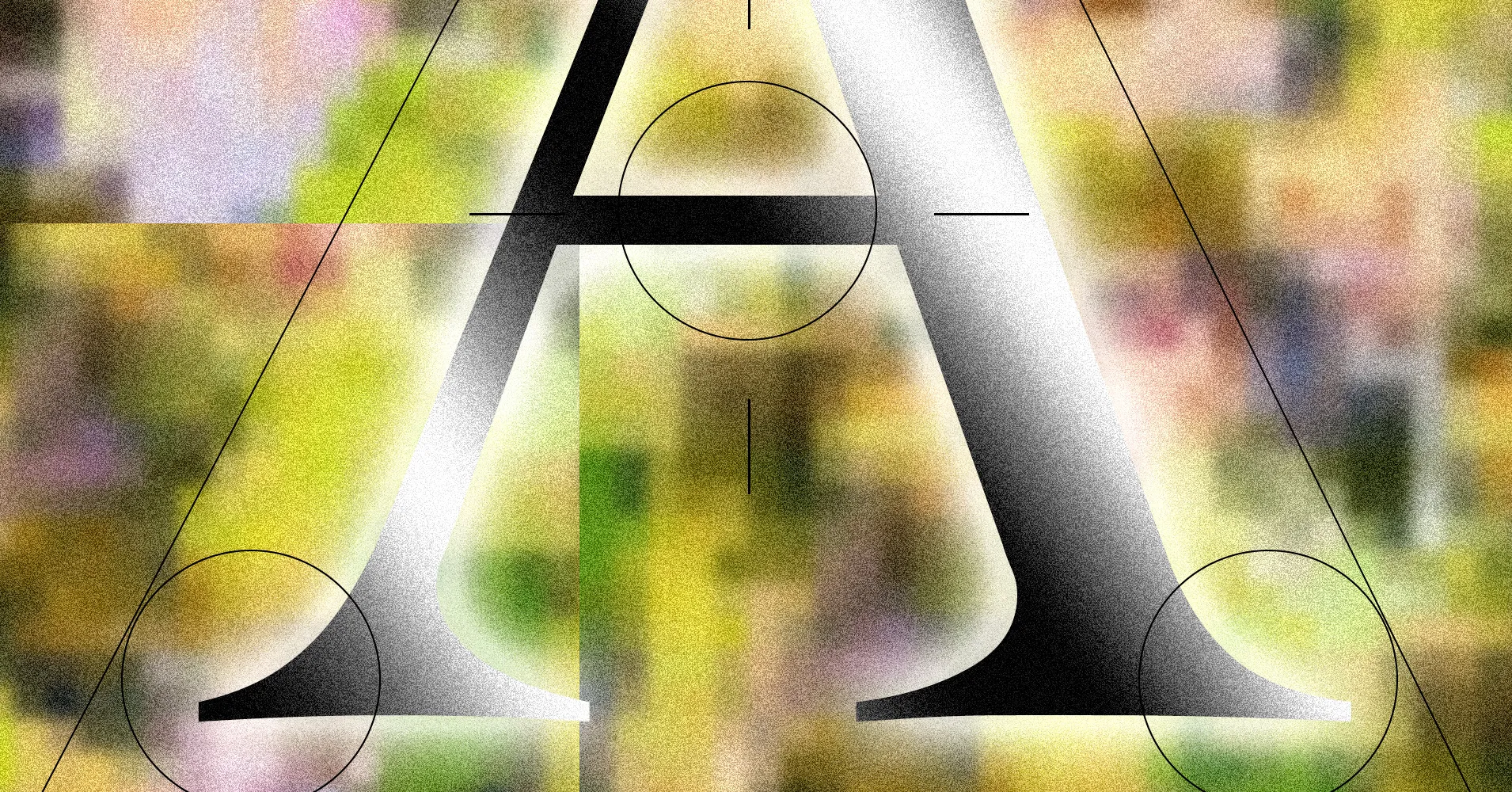
Artificial intelligence companies including Anthropic, Runway, Perplexity, and Manus are increasingly adopting serif typefaces in their user experience and branding. This strategic shift aims to counter public suspicion of the technology by projecting warmth, trust, and human involvement. Designer Keya Vadgama has termed the trend the "serif renaissance," arguing that serifs signal that "real humans use (and made) our product," as AI is perceived as inherently cold.
Vadgama, a writer and designer based in the San Francisco Bay Area, identified the pattern in a recent Substack newsletter. She noted that AI-native companies are drawn to serifs because the technology lacks opinion and feels sterile. By using typefaces with origins in calligraphy, firms hope to convey a fluid, human way of making letterforms. Vadgama observed that Anthropic’s Claude defaults to serif fonts, while other companies like Runway, Perplexity, and Manus have adopted similar typefaces.
Perplexity chief communications officer Jesse Dwyer told WIRED that the company uses human design because "Perplexity is for people." The move is seen as an effort to build confidence between users and brands, with certain font choices signalling trust at a preconscious psychological level. Sans serifs are often viewed as too clean or computer-like, whereas traditional serifs can feel more dignified and authoritative.
Ali S. Qadeer, chair of graphic design at the Ontario College of Art and Design in Toronto, noted that serifs carry connotations of scholarship and trust. He cited Claude’s use of a slightly brown background to emulate the feeling of reading print, noting that print has deeper associations with trust. Qadeer described the change as a deliberate rebranding effort to soften the public’s perception of the sterile look of tech that has dominated for the past 20 years.
The trend has also drawn criticism from observers who label the resulting aesthetic as "tasteslop," "generic," or "premium mediocre." Blogger Venkatesh Rao’s concept of "premium mediocre" was applied to describe this emergent AI aesthetic, likening it to the finest bottle of wine at Olive Garden. Some designers described the transition as "cursed" but pragmatic, comparing AI’s aesthetic experimentation to a teenager experimenting with font packs.
AI chatbot Claude acknowledged the shift, citing issues of trust, authority, and "literary seriousness," while also admitting to "heavy borrowing" and networked herd mentality. The chatbot noted that slick, sophisticated design choices operate as a kind of feint, communicating that the system knows what it is doing while actively working against accurate mental models of what AI is.
Vadgama agreed that there is something dishonest in trying to use serifs to signal that a company is not scary, when it remains an AI company. She argued that the choice of font does not change the underlying nature of the technology, suggesting that the trend is more about managing public perception than altering the fundamental characteristics of artificial intelligence.
