AI drives fundamental shift in global asset allocation
Financial Times reports that artificial intelligence is altering how investors distribute capital, while markets react positively to high-level diplomatic talks in Beijing.
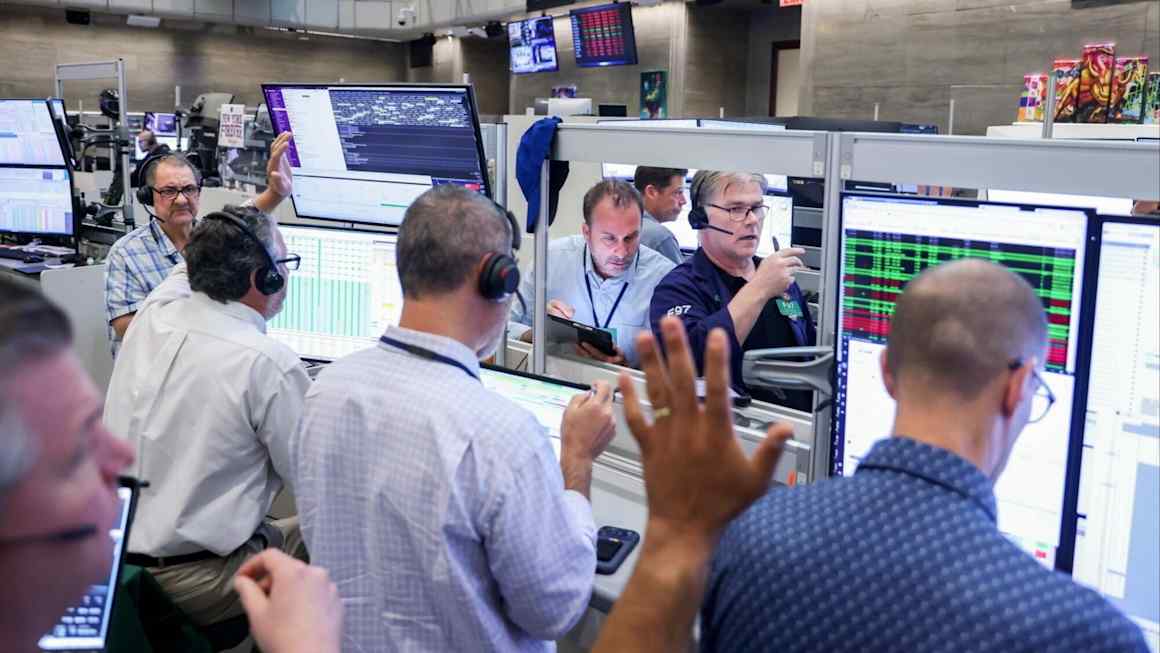
Artificial intelligence is precipitating a structural change in the financial sector, fundamentally altering how investors allocate funds and diversify risks across every asset class, according to the Financial Times. The technology is reshaping portfolio construction strategies, moving beyond traditional methodologies to incorporate new data-driven approaches that span the entire investment landscape.
This shift in investment strategy occurs against the backdrop of significant geopolitical developments, as US President Donald Trump arrives in Beijing for a two-day summit with Chinese President Xi Jinping. Marking the first visit by an American president to China since 2017, the meeting is accompanied by a delegation of major technology executives, including Elon Musk, Tim Cook, and Jensen Huang.
The summit agenda is broad, covering critical issues such as trade, artificial intelligence, and the Strait of Hormuz. The presence of leading tech figures underscores the intersection of policy and technology, areas that are increasingly central to market dynamics and investment decision-making processes globally.
Market participants have responded positively to the start of the diplomatic engagement. US stock markets rose at the opening of the summit, with the Dow Jones Industrial Average gaining 0.8 per cent, the S&P 500 rising 0.3 per cent, and the Nasdaq Composite climbing 0.2 per cent.
Specific interest in the semiconductor sector was evident, with Nvidia shares surging more than 2 per cent following US approval for a chip sale. This movement highlights how regulatory approvals and geopolitical signals continue to drive volatility and opportunity within technology-heavy indices.
The convergence of AI-driven investment shifts and high-level diplomatic talks suggests a complex environment for capital allocation. As investors adapt to new technological realities, they must also navigate the broader macroeconomic and political landscape that influences cross-border trade and technology flows.