AI disruption accelerates: Yang warns of mass job losses and social unrest
Andrew Yang tells CNBC that the US labour market faces a "rough" transition within 12 months, with truck driving and coding roles under immediate threat
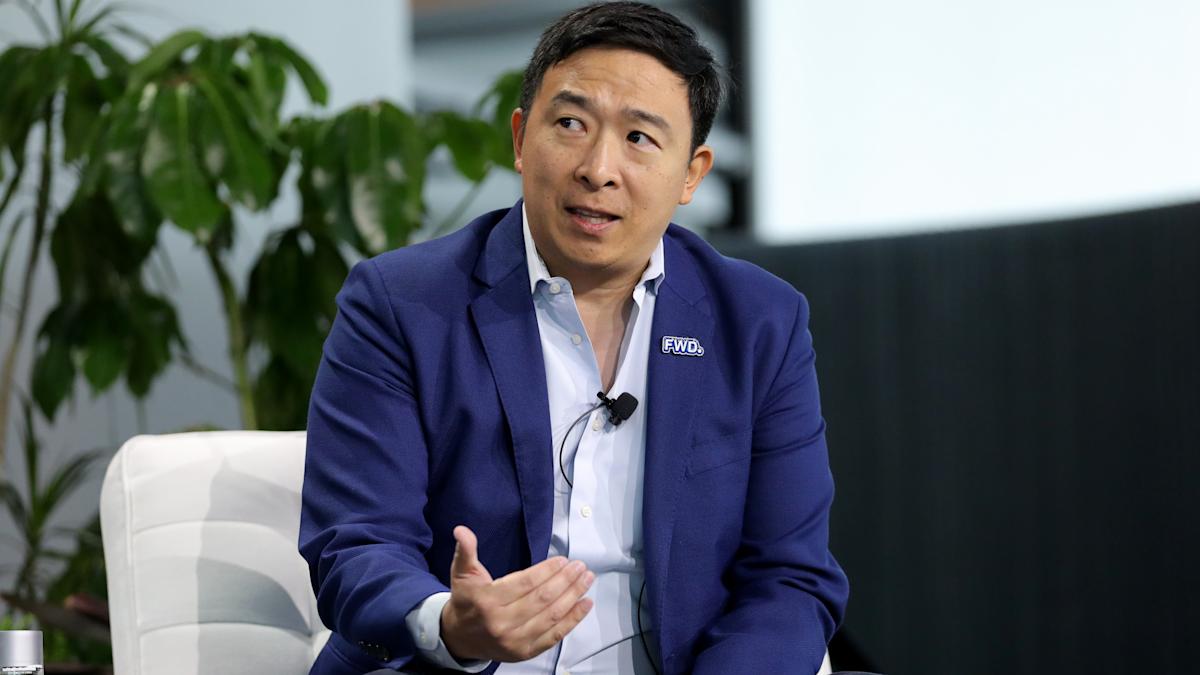
Former US presidential candidate Andrew Yang has issued a stark warning that artificial intelligence is disrupting the US labour market at a pace faster than anticipated, potentially displacing millions of workers within the next 12 months. Speaking on CNBC’s Squawk Box, Yang described the rate of technological change as following a "hockey stick" curve, noting that developments in the coming six months could outstrip the progress of the previous decade.
Yang highlighted a significant shift in corporate technology spending, pointing to one enterprise selling autonomous coding tools that saw its revenue increase 100-fold over the past 12 months. This surge in automation, he argued, is directly impacting employment for recent computer science graduates, whose job prospects have "fallen off a cliff" compared to previous years when coding was considered a secure career path.
The former Democratic candidate aligned his concerns with warnings from Anthropic CEO Dario Amodei and Verizon CEO Dan Schulman regarding high unemployment risks. Yang predicted that automation would severely impact call centres and truck driving, sectors that employ millions. He noted that truck driving is the number one job in 28 states, with a workforce that is predominantly middle-aged and includes a significant portion of military veterans.
Citing data from the US Bureau of Labor Statistics, Yang pointed out that there are over 3 million heavy and light truck drivers in the US, with a median age of 46. He warned that the loss of these roles could lead to significant social unrest, stating that the transition would be "rough with a capital R" for millions of Americans as the implicit social contract of the American way of life fractures.
Goldman Sachs has previously estimated that AI is reducing US employment by approximately 16,000 jobs per month. Yang updated his timeline for major disruption to the next 12 months, a shift from his previous estimates, as he observed the industry bracing for impact. He cautioned that the backlash will intensify as parents witness their college-educated children struggling to find stable work, potentially leading to broader societal consequences.