AI Demand Drives RAM Prices to Record Highs as Supply Constraints Tighten
High Bandwidth Memory production consumes triple the silicon wafer supply of consumer DRAM, forcing major producers to prioritise AI clients over consumer brands.
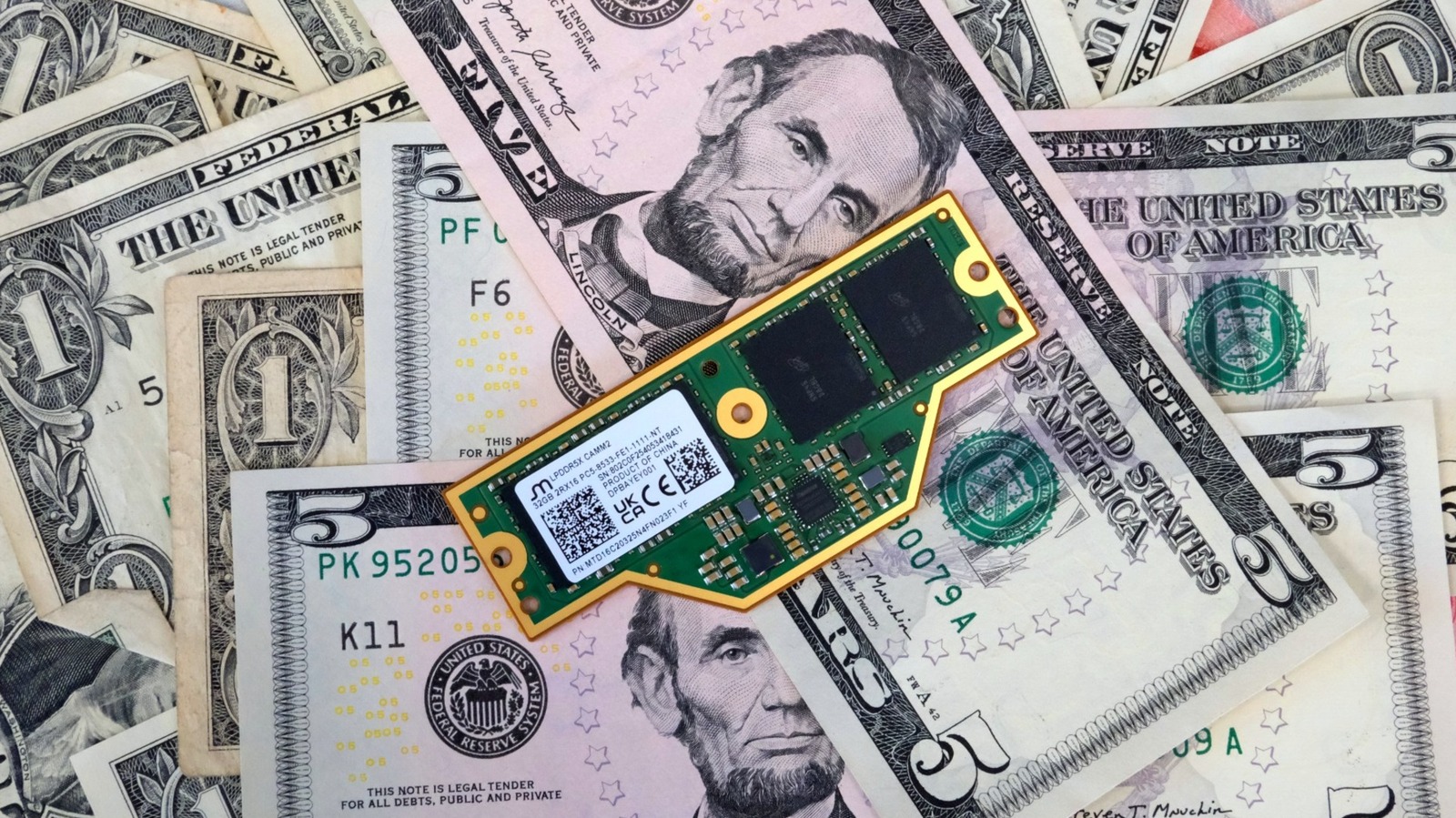
Global random access memory prices have surged dramatically over the past 18 months, driven by artificial intelligence companies acquiring vast quantities of High Bandwidth Memory. This shift has created a zero-sum supply constraint, as HBM production consumes approximately three times the silicon wafer supply of consumer DRAM. Consequently, major manufacturers including Micron, SK Hynix, and Samsung have reported record profits, while consumer memory costs have risen sharply.
Data from PCPartPicker indicates the price for a pair of 16GB DDR5-4800 sticks increased from under $100 at the start of 2025 to more than $400 currently. High-end 32GB DDR5-6000 modules have seen even steeper increases, rising from under $250 to more than $1,200. Industry reports suggest that every manufacturer's 2027 RAM capacity has already been sold out, leaving little room for consumer market flexibility.
The disparity in profitability has led to strategic shifts within the industry. Micron exited its consumer-facing Crucial brand at the end of 2025 to support larger strategic customers in faster-growing segments. In June, Micron reported a quarterly income of $28.86 billion and a gross margin of 84.9 percent. SK Hynix reported record-breaking revenues in July, with operating profit increasing by 557 percent year-on-year, while Samsung also reported all-time highs for revenue and profit in its memory division.
Supply constraints are expected to persist due to the capital-intensive nature of new manufacturing facilities. SK Hynix has committed to building two new memory factories in South Korea at a combined cost of $38.1 billion, with production expected to begin in June 2029. Micron CEO Sanjay Mehrotra indicated that tight conditions would persist beyond 2027, and Deloitte analysts predict no relief from the crisis until 2030 at the earliest.
The scale of demand from AI infrastructure projects underscores the severity of the shortage. xAI’s Colossus site in Memphis is reported to use up to 112,005,000 GB of RAM, while OpenAI and AMD pledged to build 6GW of AI data centres in October 2025. With 831 such sites currently under construction, industry executives warn that demand will continue to outstrip supply for years, prompting some manufacturers to seek government intervention to prevent customers from sourcing chips from alternative suppliers.