AI data centres create far fewer jobs than manufacturing, analysis finds
A $10 billion data centre may employ just 300 people, while similar manufacturing investments generate thousands, according to new research highlighting the low labour intensity of AI infrastructure.
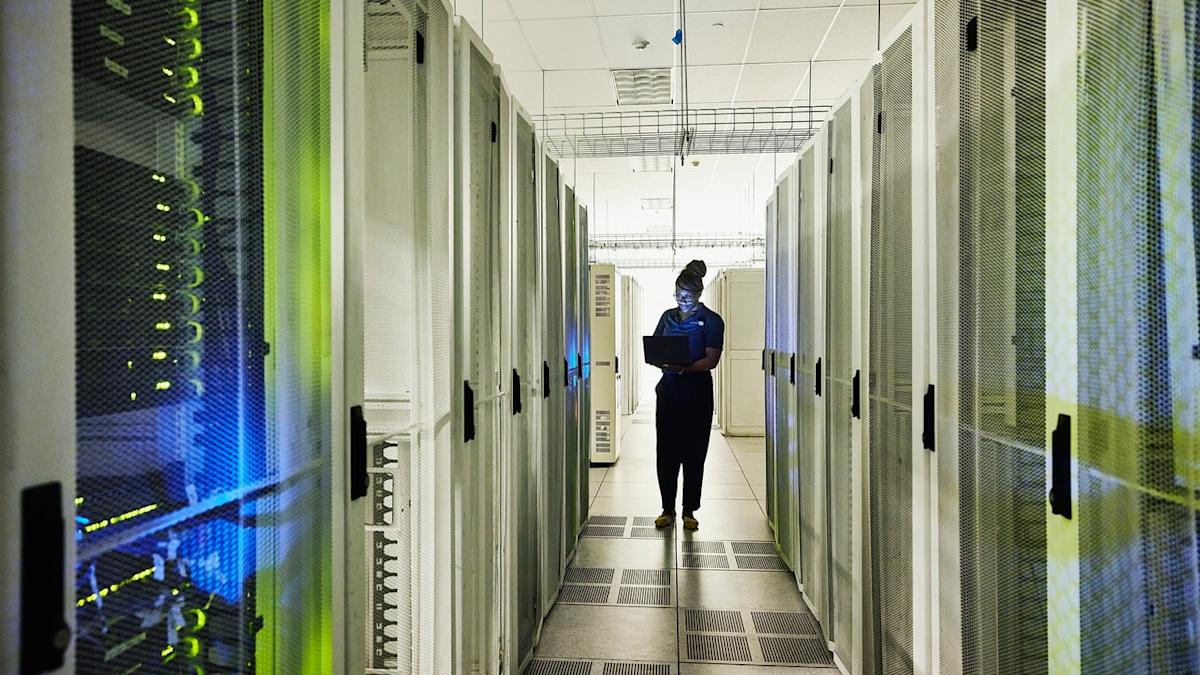
A $10 billion data centre campus in Lebanon, Indiana, is projected to create only 300 permanent operational jobs once fully operational, equating to one position for every $33 million invested. This stands in sharp contrast to traditional manufacturing, where TSMC’s $165 billion semiconductor complex in Arizona is expected to generate 12,000 direct jobs, representing one job for every $14 million invested. While both sectors are capital-intensive, the labour density in hyperscale AI infrastructure is significantly lower, a disparity that has intensified debate over the economic value of these facilities to host communities.
The structural nature of these facilities drives the low employment figures. Highly automated hyperscale campuses can operate with skeleton crews, with facilities exceeding 100 megawatts requiring as few as 20 to 40 permanent staff per 100 megawatts. Amazon Web Services plans to invest $35 billion across Virginia by 2040, a project the state governor’s office estimates will create at least 1,000 total new jobs over 17 years. Similarly, Ark Data Centers’ $136 million expansion in Ohio is expected to result in exactly 10 permanent jobs, underscoring the minimal workforce requirements relative to the capital deployed.
Manufacturing projects competing for similar state incentive packages demonstrate a different labour profile. Pharmaceutical company Becton, Dickinson and Company is investing $110 million in Nebraska to create 120 jobs, while an automotive venture in South Carolina is investing $120 million to bring in approximately 400 jobs. Both projects cost less than Ark Data Centers' Ohio expansion yet promise substantially higher employment numbers. A semiconductor fab of TSMC’s scale requires human operators to run equipment around the clock, whereas data centres rely on hardware that is typically replaced every five to seven years rather than long-lived infrastructure requiring large operating crews.
State and local governments have often structured incentive packages based on manufacturing frameworks, leading to high costs per job. According to the nonprofit watchdog Good Jobs First, almost half of state data centre subsidies do not require job creation, and the average cost of data centre "megadeals" reaches $1.95 million per job. In Virginia, the data centre industry added 1,610 jobs in fiscal year 2025 while reporting a tax benefit of $1.9 billion, equating to $1.2 million per new job. The state also missed more than $1.6 billion in tax revenue due to data centre tax exemptions, an increase of 118 per cent over the previous fiscal year.
Economic analysis suggests that while data centres provide property tax revenue, net employment gains can be negligible due to workforce shifts between sectors. Research from the Brookings Institution indicates that counties receiving their first large data centre see total private employment rise by 4 per cent to 5 per cent over five to six years, though these gains depend on the concentration of facilities. Economist Michael J. Hicks, examining development in Texas, concluded that the net effect of data centre employment on local counties may be effectively zero, as workers shift between industry subsectors rather than entering new positions.