Aftermarket Tech Turns Traditional Grills Into Smart Cooking Devices
WIRED reports that devices like the Spider Grills Venom and ChefsTemp ProTemp S1 allow users to convert Weber Kettles and Kamado Joe ceramic cookers into app-connected systems, leveraging PID controllers and automated fans for precise temperature regulation.
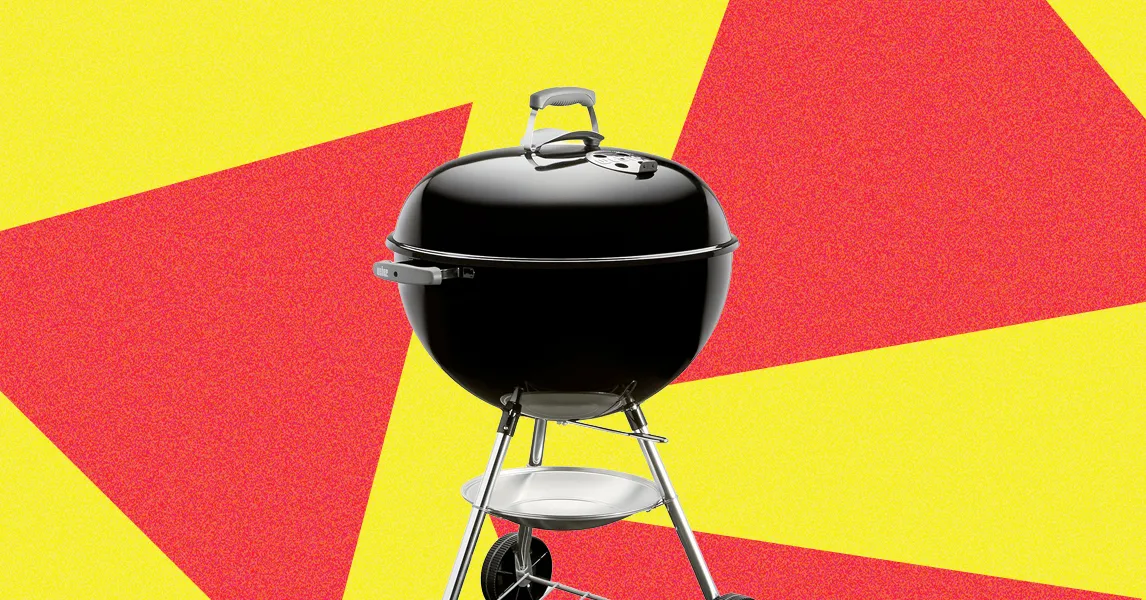
A new wave of aftermarket technology is enabling consumers to retrofit traditional charcoal grills with smart capabilities, offering a durable alternative to purchasing expensive, integrated smart cooking systems. According to reports from WIRED, digital controllers and automated fans can transform conventional equipment, such as Weber Kettles and Kamado Joe ceramic cookers, into app-connected devices that regulate airflow and maintain precise cooking temperatures via smartphone applications.
The Spider Grills Venom, priced at $280, is a digital temperature controller designed specifically for 22- or 26-inch Weber Kettles. Utilising a PID controller for temperature stability, the device requires a 2.4 GHz Wi-Fi connection and a power source, such as an extension cord or a separate $50 battery pack. While the Venom overshot target temperatures by approximately 25 degrees Fahrenheit during high-heat tests, it held steady thereafter, providing reliable performance for low-and-slow cooks.
For users with ceramic grills, the ChefsTemp ProTemp S1 system offers a modular solution compatible with brands including Kamado Joe, Big Green Egg, and Primo. The system comprises a digital controller hub, a meat probe, and the Breezo fan, which costs $80. Although the Breezo fan was found to be less reliable than the Venom in controlling temperature on ceramic grills, the ChefsTemp app demonstrated strong real-time response capabilities, allowing users to monitor and adjust cooking conditions effectively.
This retrofitting approach addresses the longevity concerns associated with all-in-one smart grills, which often rely on complex apps and sensors that may become obsolete or unsupported. By keeping the core grill equipment traditional and upgrading only the technology, users can leverage the durability and heat retention of conventional steel and ceramic grills while gaining the convenience of modern connectivity. This strategy mirrors the resilience of keeping a classic vehicle and upgrading its internal components rather than replacing the entire machine.
The market for smart grill technology has evolved since its early days, with major brands also introducing their own solutions. Weber released the Connect Smart Grilling Hub in 2020, a device that monitors cooks using wired probes to avoid connectivity issues, while Big Green Egg launched the Genius smart device in the same year. The Genius attaches to the air vent and controls airflow with a variable-speed fan, with recent tests indicating that previous app issues have been resolved, allowing it to maintain temperature over long cooks.
Despite the benefits, these systems require consistent power and strong wireless signals. The Venom requires a wired connection or battery pack, while the ChefsTemp system involves multiple devices that must be charged and paired, necessitating a robust 2.4 GHz Wi-Fi signal for optimal performance. Switching between Bluetooth and Wi-Fi on the ChefsTemp system requires full unpairing, highlighting the technical considerations involved in integrating smart tech with traditional cooking equipment.
Ultimately, these aftermarket upgrades provide a practical path for consumers to achieve consistent results without the high cost and potential failure points of dedicated smart grills. Whether using the Venom for a Weber Kettle or the ProTemp S1 for a ceramic cooker, users can now treat their charcoal grills with the same precision as indoor ovens, supported by real-time data and automated airflow control.
