AEI’s Biggs Questions Retirement Coverage Gap as Markets Rally on Trump-Xi Summit
Dr Andrew Biggs challenges the narrative of a universal savings shortfall, while US equities rise amid geopolitical developments and NVIDIA gains.
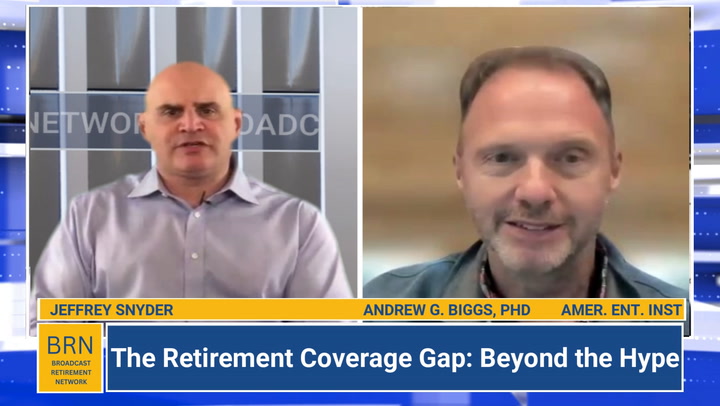
Dr Andrew Biggs of the American Enterprise Institute has challenged the prevailing narrative regarding a universal retirement coverage gap, arguing that the focus on participation metrics may obscure more efficient policy solutions. Speaking on the financial media platform TheStreet on Saturday, 30 May 2026, Biggs suggested that low-income and younger workers may not require aggressive savings in the present, reframing the debate around affordability and actual need rather than blanket coverage targets.
The discussion highlighted the role of state auto-Individual Retirement Arrangement (auto-IRA) programs in influencing participation rates. Biggs posited that policymakers should shift their attention toward cost-efficient retirement supports, arguing that headline-grabbing participation figures do not necessarily equate to improved financial security for all demographics. This perspective positions the American Enterprise Institute’s analysis as a counterpoint to standard regulatory approaches that prioritise enrolment numbers.
The commentary emerged against a backdrop of positive movement in US capital markets. On Thursday, 30 May 2026, major indices posted gains as President Donald Trump and President Xi Jinping commenced a two-day summit in Beijing. The Dow Jones Industrial Average rose 0.8 per cent, the S&P 500 climbed 0.3 per cent, and the Nasdaq Composite advanced 0.2 per cent, reflecting investor sentiment surrounding the diplomatic engagement.
Technology shares also saw significant traction during the period, with NVIDIA shares surging more than 2 per cent. The rally followed news that the United States had approved the sale of H200 chips to Chinese firms, a development that bolstered the semiconductor sector. This market activity occurred concurrently with the broader discussions on economic policy, underscoring the interplay between regulatory frameworks and corporate performance.
Biggs’ remarks on retirement policy provide a specific lens through which to view long-term economic stability, distinct from the immediate fluctuations driven by trade and technology news. By questioning the necessity of aggressive savings for certain groups and advocating for targeted, cost-effective supports, the American Enterprise Institute’s analysis offers a measured critique of current retirement planning assumptions.