Advisory jury dismisses Musk’s case against Altman and OpenAI
US District Judge Yvonne Gonzalez Rogers accepts unanimous verdict in Oakland trial
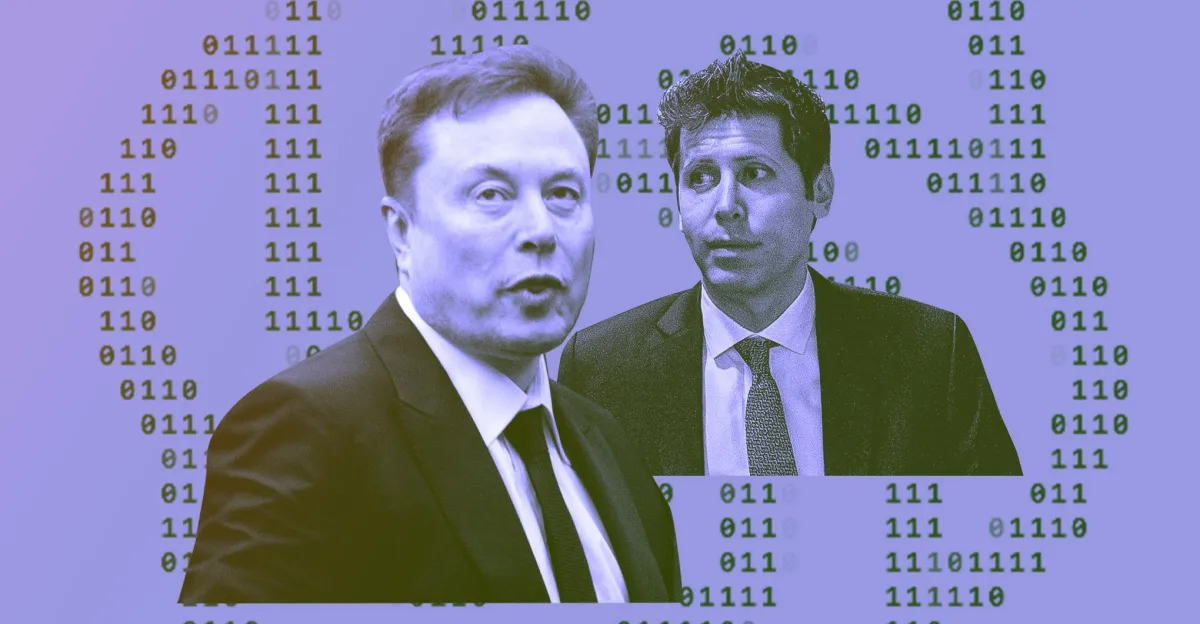
A jury in the high-profile Musk v Altman trial has dismissed all charges against Sam Altman, ruling that the plaintiff’s claims were time-barred under the statute of limitations. The advisory jury delivered a unanimous verdict after approximately two hours of deliberation, concluding a three-week trial held in a federal courtroom in Oakland.
The jury found that Musk’s allegations regarding breach of charitable trust and unjust enrichment were barred by the applicable time limits. Additionally, the claim that Microsoft aided and abetted such a breach was dismissed as it relied on the same time-barred foundation. The jury also determined that claims for restitution were similarly barred by the statute of limitations.
While the jury served an advisory capacity and its verdict is not legally binding, US District Judge Yvonne Gonzalez Rogers accepted the unanimous decision, effectively resolving the case. Judge Rogers, as the presiding judicial authority, confirmed the outcome following the extensive testimony period.
The litigation centred on allegations that OpenAI had deviated from its founding mission and that funds donated by Musk were earmarked for a specific nonprofit entity. Musk had accused OpenAI chief executive Sam Altman and company president Greg Brockman of breaching the organisation’s charitable trust and engaging in unjust enrichment at his expense. He further alleged that Microsoft facilitated these breaches.
The trial, widely characterised in media reports as the tech trial of the year, featured intense cross-examination and evidence that drew significant public attention. Both parties presented arguments that, according to observers, left their respective reputations under scrutiny, with testimony described as salacious and eyebrow-raising by those covering the proceedings.
