Administration Pushes Trump to Accept Rejected Iran Nuclear Framework
Vice President JD Vance and special envoy Steve Witkoff are actively lobbying the White House to approve a proposal involving sanctions relief and frozen fund releases, despite the President's stated opposition to sending money to Tehran.
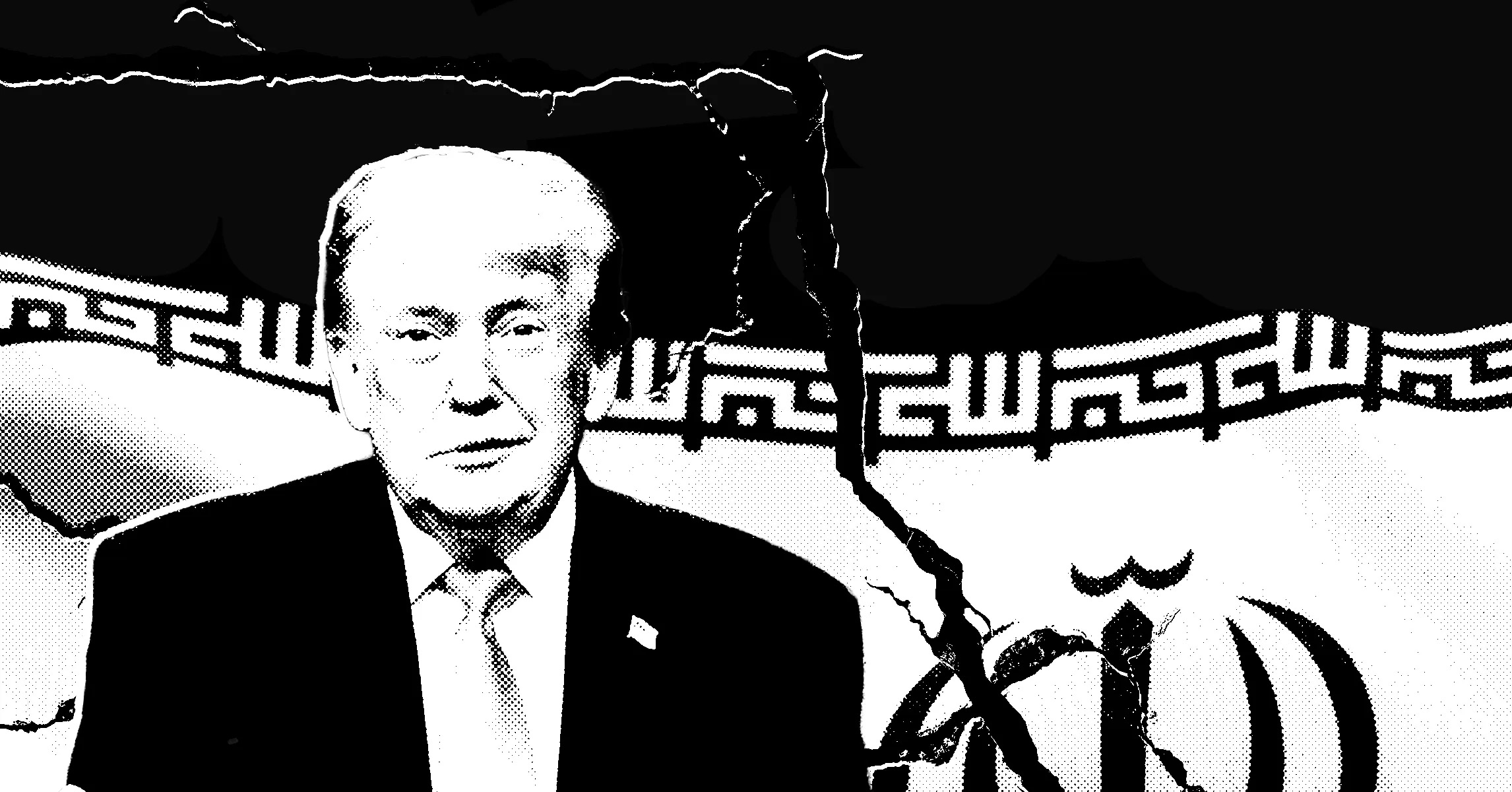
US negotiators are currently urging President Donald Trump to accept a proposed Iran nuclear deal framework that he previously rejected. The administration is attempting to sell this specific proposal to the President, who has repeatedly stated his opposition to sending money to Iran. This internal push comes as the administration seeks to resolve ongoing tensions regarding the nuclear programme without further escalation.
The current negotiation framework centres on Iran handing over its stockpile of highly enriched uranium and observing a moratorium on further enrichment for 12 to 15 years. In exchange, the US would offer billions in sanctions relief and the gradual release of frozen funds. These terms are contingent on the United States gaining control of the enriched uranium for destruction or blending, ensuring it cannot be used for a nuclear weapon.
This proposal mirrors the "cash for uranium" concept Trump initially approved last month before pulling the plug due to political concerns about appearing to give Iran "pallets of cash". Sources indicate that the framework is not materially different from previous discussions in Islamabad that were rejected by Trump, yet advisers argue financial aid remains the most compelling incentive available to secure a deal.
Key administration figures, including Jared Kushner and Steve Witkoff, received repeated approvals from Trump while in Islamabad, giving them confidence a deal was close before it unraveled. Despite the administration's push, key figures like Secretary of State Marco Rubio have been largely absent from the physical negotiations, reportedly focusing on geopolitical issues in Cuba and Venezuela instead.
Vice President JD Vance, despite previously expressing skepticism about striking Iran, has been ordered by Trump to participate in back-channel negotiations. He is now balancing these duties with midterm election campaigning, having recently been seen on the campaign trail in the Midwest. Vance was previously suggested to have advocated for a delay to build up US anti-missile interceptors before being pulled into the Iran talks.
Administration advisers note that while the framework mirrors past discussions, the decision of whether Trump ultimately blesses the proposal likely comes down to how badly he wants a deal. With few other options to incentivize Iran, officials suggest that a memorandum of understanding guiding these talks is the best path forward, even if it echoes the Obama-era Joint Comprehensive Plan of Action.
