Activists stage guerrilla campaign against Meta smart glasses in London
New installations feature optical illusions and direct critiques following reports of continuous recording features
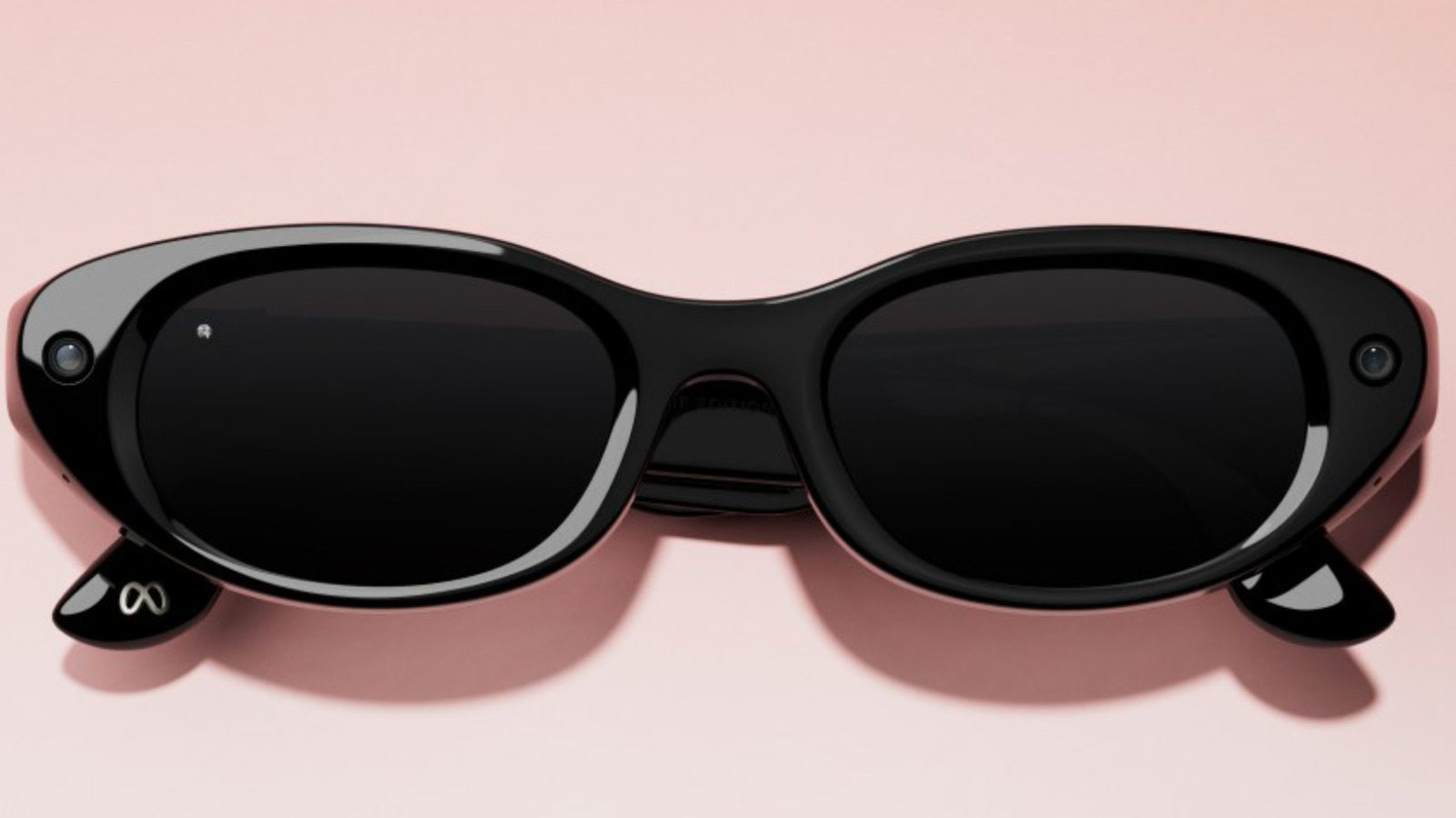
An activist group known as Everyone Hates Elon has installed fake advertisements for Meta smart glasses at two bus stops in London, staging a protest against perceived surveillance risks associated with the wearable technology. The campaign highlights concerns regarding the device’s ability to record audio and video without user consent or visible indicators.
One of the installations utilises an optical illusion inspired by John Carpenter’s 1988 science fiction film 'They Live'. From a standard viewpoint, the advertisement appears to feature Kylie Jenner wearing the smart glasses. However, when viewed from a specific angle, the image shifts to black and white, transforming Jenner’s face into a skeletal figure with the text "Meta: We're always watching".
A second advertisement at the bus stops offers a more direct critique, displaying the text: "The biggest advance in pervert technology since the trenchcoat. Hey Meta, start filming." The group described the initiative as a response to reports that Meta is testing glasses capable of continuously recording audio while taking photos every few seconds without a warning light.
The protest follows a report from the Financial Times suggesting Meta is developing these continuous recording capabilities. In a post on the platform Bluesky dated 13 July 2026, the activist group claimed the company plans to implement these features without any warning light, raising ethical questions about consent and privacy.
Meta has previously stated it would disable the cameras on its smart glasses if it detects that the recording LEDs have been physically tampered with. The company also indicated it would continue to work on ways to make the devices safer and more trustworthy, though it did not immediately respond to requests for comment regarding the latest testing reports.
