ACLU sues Florida police over wrongful arrest linked to face-recognition system
The American Civil Liberties Union has filed a lawsuit against the Jacksonville Sheriff’s Office and the Pinellas County Sheriff’s Office following the wrongful arrest of a Fort Myers man based on a flawed algorithmic match.
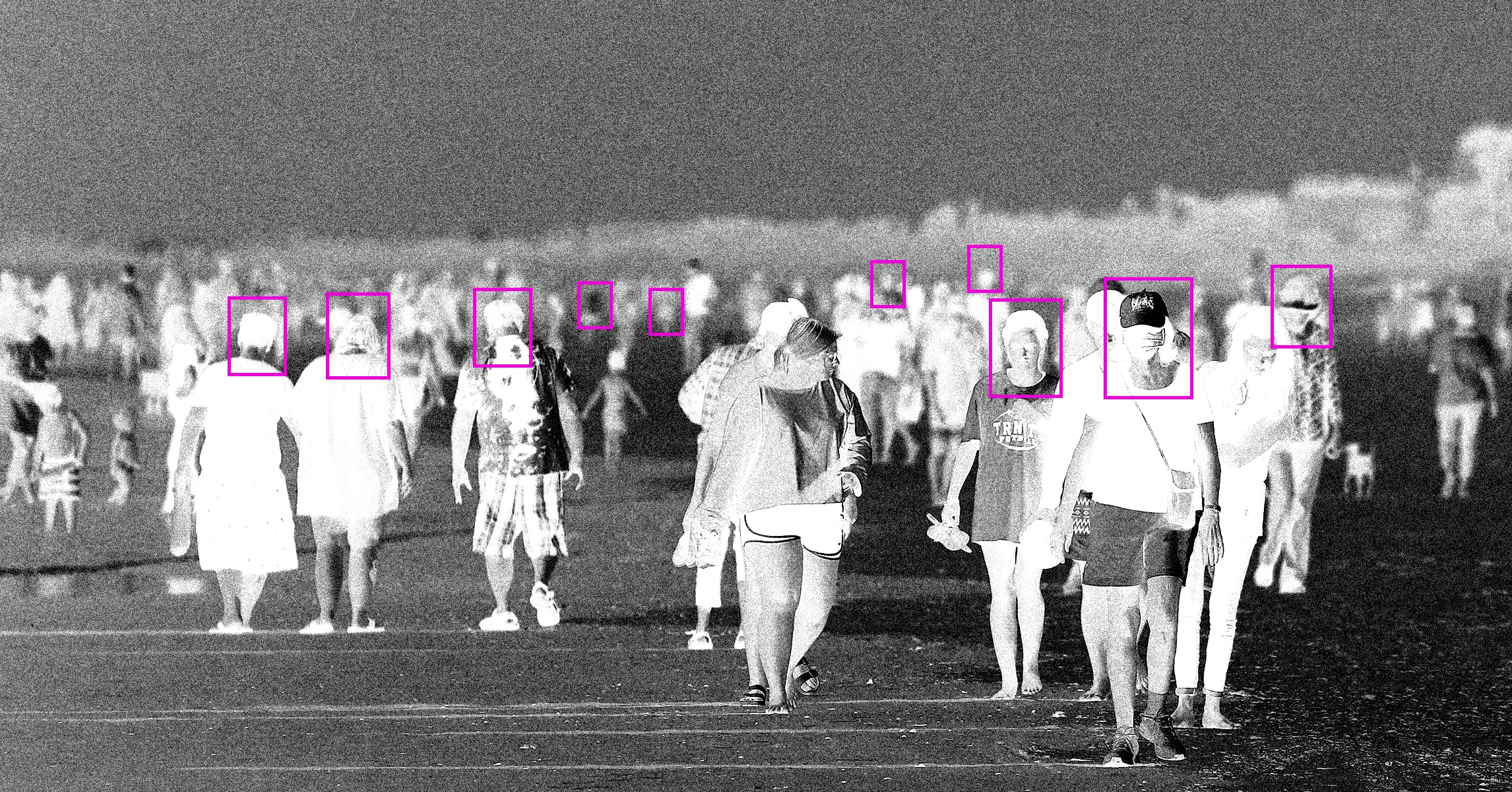
The American Civil Liberties Union has initiated legal proceedings against the Jacksonville Sheriff’s Office, the City of Jacksonville Beach, and the Pinellas County Sheriff’s Office following the wrongful arrest of Robert Dillon. The lawsuit centres on the reliance by law enforcement on the FACES face-recognition system, operated by the Pinellas County Sheriff’s Office, which provided a 93 per cent match identifying Dillon as a suspect in a child-luring allegation at a Jacksonville Beach McDonald’s in November 2023. Despite Dillon residing over 300 miles away and exculpatory evidence—such as license plate reader data showing no registered vehicles in the area and witness testimony identifying a different individual—being available, this information was omitted from the warrant application. Charges were dropped in October 2024, but the lawsuit seeks damages and systemic policy reforms, highlighting broader concerns regarding the lack of oversight in the FACES database, which has operated since 2001.
Dillon, a 52-year-old commercial crabber, was arrested at his home in August 2024 and held overnight before being released on bond. The complaint details that officers treated the algorithmic match as a near-certain identification, ignoring that the system’s score reflects visual similarity rather than probability of identity. Exculpatory evidence, including a McDonald’s manager identifying the suspect as a regular customer Dillon had never met, and license plate reader searches yielding no results for vehicles registered to him, were omitted from the warrant application submitted six months after the incident.
The legal action names the investigating officer and the Jacksonville Sheriff’s Office sergeant individually, alongside the agencies in their official capacities. It seeks compensatory and punitive damages and demands an overhaul of face-recognition policies across the named agencies. The suit notes that the investigating officer was promoted by the end of 2024 despite the wrongful arrest, while Dillon faced significant personal hardship, including the loss of his truck used as bond and the removal of his mugshot from county websites only after media intervention.
FACES holds tens of millions of Florida mug shots and driver’s license photos and was accessible to more than 260 agencies at its peak, including the FBI and ICE. A 2016 study by Georgetown Law found the system lacked audits and reasonable suspicion requirements for queries. The ACLU cites this case as one of at least 15 known wrongful arrests in the United States linked to face-recognition technology, noting a similar incident earlier in 2024 involving a North Carolina man arrested by the Jacksonville Sheriff’s Office based on an 85 per cent match.
Jacksonville Sheriff T.K. Waters previously stated that a face-recognition hit alone would not constitute probable cause in his office. However, the ACLU argues that the failure to conduct proper investigations and the omission of exculpatory evidence demonstrate systemic flaws. The organization is calling for immediate safeguards to prevent future wrongful arrests, emphasizing that unreliable technology is causing significant harm to individuals and communities.