Academy of Motion Picture Arts and Sciences bans AI-generated actors and scripts from Oscar eligibility
New eligibility rules mandate that all performances and screenplays must be demonstrably created by consenting humans, a move directly addressing recent controversies involving synthetic media.
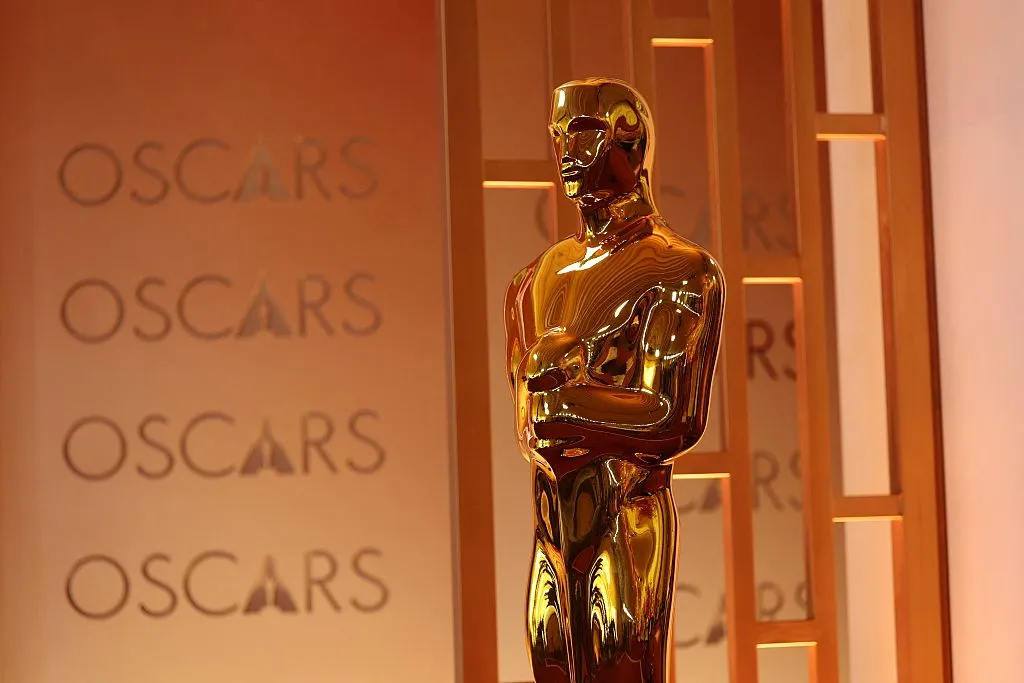
The Academy of Motion Picture Arts and Sciences has officially introduced new eligibility rules for the Oscars that explicitly prohibit the use of generative artificial intelligence in award-winning performances and screenplays. Under the updated guidelines released on Friday, only those performances credited in a film's legal billing and demonstrably performed by consenting humans will qualify for Academy Awards.
Furthermore, the academy has stipulated that all screenplays must be human-authored to be eligible for consideration. In addition to these strict definitions, the organisation retains the right to request detailed information regarding a film's AI usage and the extent of human authorship during its review process. This formal policy shift marks a definitive institutional response to the escalating concerns surrounding synthetic media in the film industry.
These regulatory changes come at a time of heightened scrutiny, following recent headlines involving an AI-generated version of the late actor Val Kilmer and the growing public profile of Tilly Norwood, an AI-generated actress. The academy's decision directly addresses these specific controversies, aiming to draw a clear line between human creativity and algorithmic output in the pursuit of cinematic excellence.
The move also serves as a formal resolution to the tensions that characterised the actors' and writers' strikes of 2023, where generative artificial intelligence was a primary sticking point between the guilds and the Academy. By codifying these restrictions, the organisation seeks to ensure that award eligibility remains rooted in human effort and consent, reinforcing the traditional values of the film community.
The precedent set by this decision is already rippling beyond Hollywood. Similar restrictions are emerging in other sectors, with at least one novel recently pulled by its publisher due to apparent AI usage. Concurrently, other writers' groups are declaring that any work involving AI assistance is ineligible for their own awards, suggesting a broader industry-wide pushback against the technology.
While the specific timeline for full enforcement across all Academy categories has not been detailed, the immediate impact is clear. The academy's stance leaves little room for ambiguity regarding the nature of the work being submitted, ensuring that the Oscars remain a celebration of human achievement in an increasingly automated landscape.
