Academic studies warn of economic fallout from attacks on Federal Reserve independence
Analysts caution that political rhetoric undermining the US Federal Reserve poses significant risks to monetary policy stability
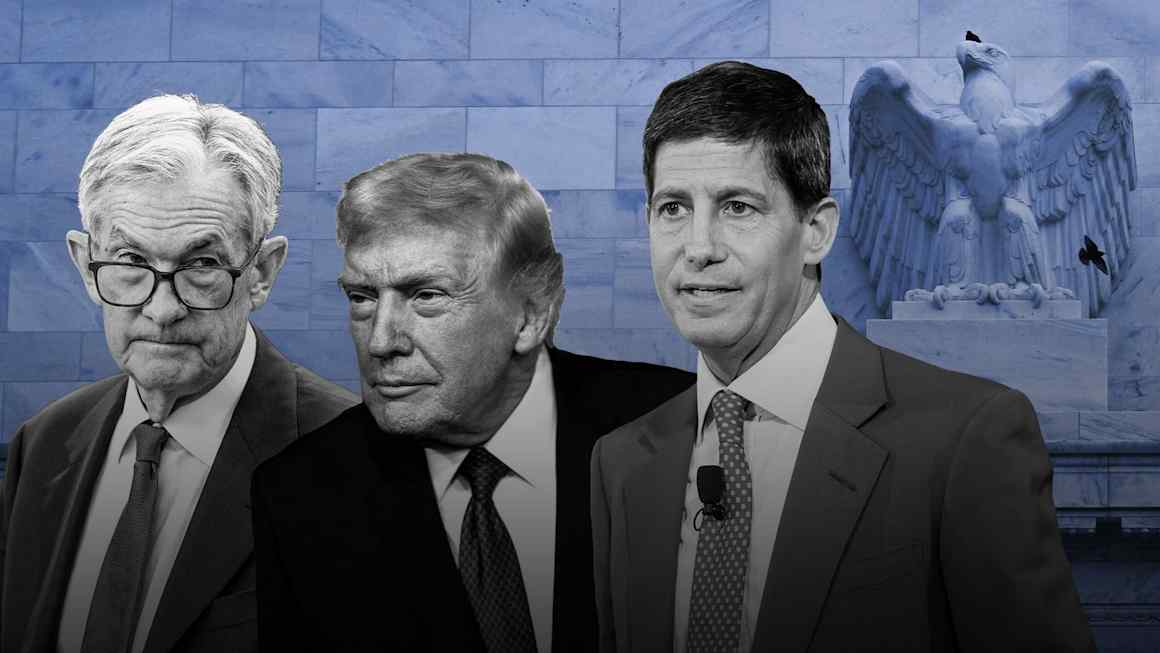
A wave of new academic research has emerged suggesting that assaults on the independence of the US Federal Reserve by the current administration carry substantial financial consequences. The studies indicate that President Donald Trump is taking significant risks by attacking the operational autonomy of the central bank, a cornerstone of United States monetary policy.
The Federal Reserve serves as the central bank of the United States, and its ability to function without political interference is widely regarded as essential for maintaining economic stability. Researchers argue that undermining this autonomy could have profound effects on the broader financial landscape, potentially disrupting the mechanisms that guide interest rates and inflation control.
While the specific methodologies and data points used in the wave of new research are not detailed in the available summaries, the consensus among the cited studies points toward a clear hypothesis: political pressure on the central bank correlates with negative economic outcomes. The Financial Times reports that these findings highlight the dangers of conflating political objectives with the technical requirements of central banking.
The connection between the President's political rhetoric and concrete economic outcomes is being drawn by researchers as a hypothesis supported by the cited studies rather than an established fact. Consequently, the strong language used in the reporting, such as describing the actions as "taking significant risks," reflects the authors' interpretation of potential consequences rather than a definitive prediction of immediate market collapse.
This economic analysis stands in contrast to the President's current diplomatic activities, which focus on easing regional tensions. President Trump is scheduled to visit China between 13 and 15 May for a summit with President Xi Jinping to address trade tariffs, Taiwan, and the Iran conflict. While these diplomatic efforts aim to stabilise international relations, the domestic political attacks on the Federal Reserve present a separate set of economic challenges.
The research underscores the delicate balance required in modern governance, where political leadership must navigate foreign policy and domestic agenda without compromising the structural integrity of the financial system. As the administration continues to engage in high-stakes diplomacy, the implications of these academic warnings suggest that the independence of the central bank remains a critical factor for investors and institutions alike.