Abel’s first major deal: Berkshire Hathaway buys Taylor Morrison for $6.8bn
The $6.8 billion transaction is viewed as attractively priced against Berkshire’s $400 billion cash hoard, marking a decisive early move by the new CEO.
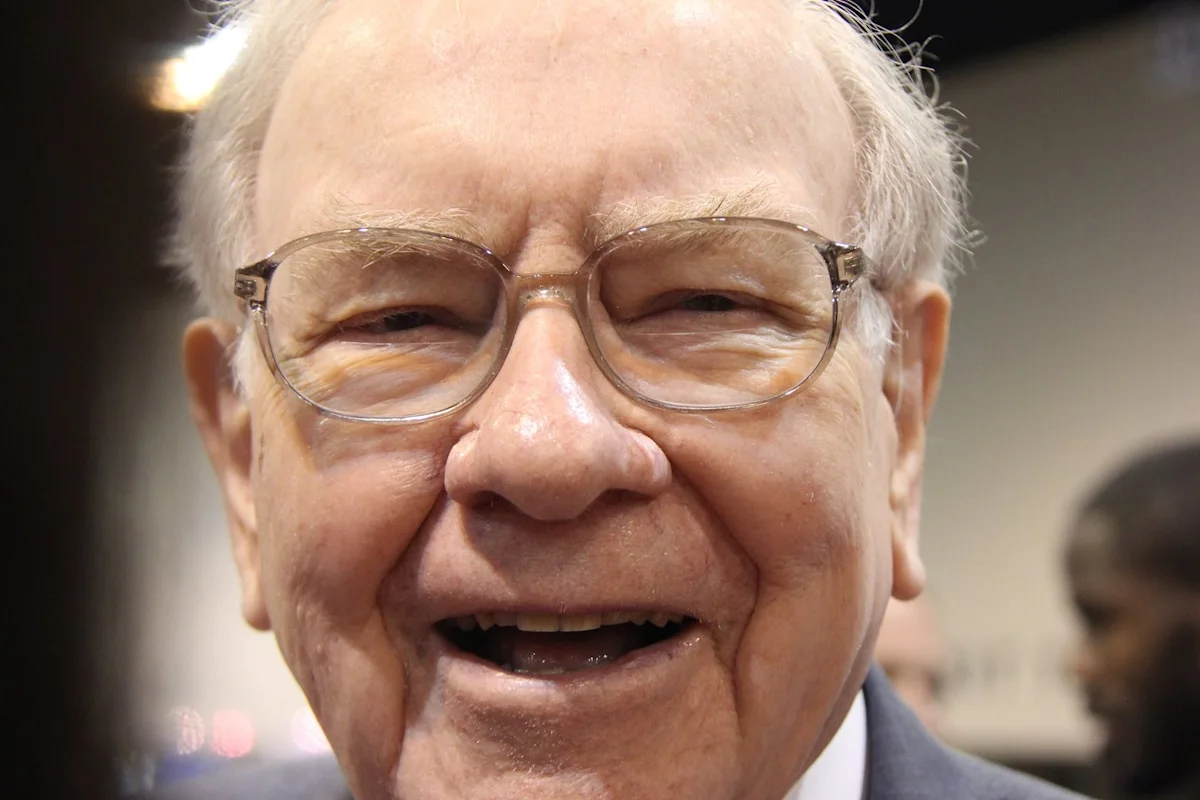
Greg Abel has completed his first major acquisition as chief executive of Berkshire Hathaway, purchasing homebuilder Taylor Morrison Homes for $6.8 billion. The deal, which closes shortly after Abel’s succession of Warren Buffett in late 2025, has drawn praise from Wall Street analysts for its attractive pricing relative to the conglomerate’s massive cash reserves.
Berkshire Hathaway held nearly $400 billion in cash at the end of the first quarter of 2026. In comparison, the $6.8 billion price tag for Taylor Morrison is described as tiny, yet it carries significant strategic weight. The transaction signals Abel’s value-oriented approach while demonstrating a departure from the historically hands-off management style that characterised Buffett’s tenure.
Buffett, who stepped down as CEO at the end of 2025, publicly praised Abel’s execution of the deal. The former CEO noted that Abel moved more quickly and decisively than he himself might have, highlighting a shift in operational tempo under the new leadership. This decisive action has reassured investors that Abel is capable of making bold moves while maintaining the discipline that defined Berkshire’s investment philosophy.
Beyond the acquisition price, Abel outlined a strategic intent to unify overlapping businesses within the conglomerate. He stated that Berkshire expects to combine its site-built homebuilding operations into a single platform over time. This indicates a proactive approach to identifying synergies among portfolio companies, a tactic that contrasts with Buffett’s tradition of allowing acquired businesses to operate independently.
The acquisition suggests that Berkshire Hathaway’s future growth under Abel will rely on two levers. The first remains buying businesses at attractive valuations, a hallmark of the company’s history. The second is a new element: actively enhancing acquired businesses by combining them into larger, more efficient entities when appropriate. This dual strategy aims to unlock value through both capital allocation and operational integration.