A single sentence, a deep shaft: Adam Ouston’s Mine reviewed
Adam Ouston’s new book, Mine, traps a poet in an abandoned mine to explore Tasmania’s environmental history and the 1912 North Mount Lyell disaster.
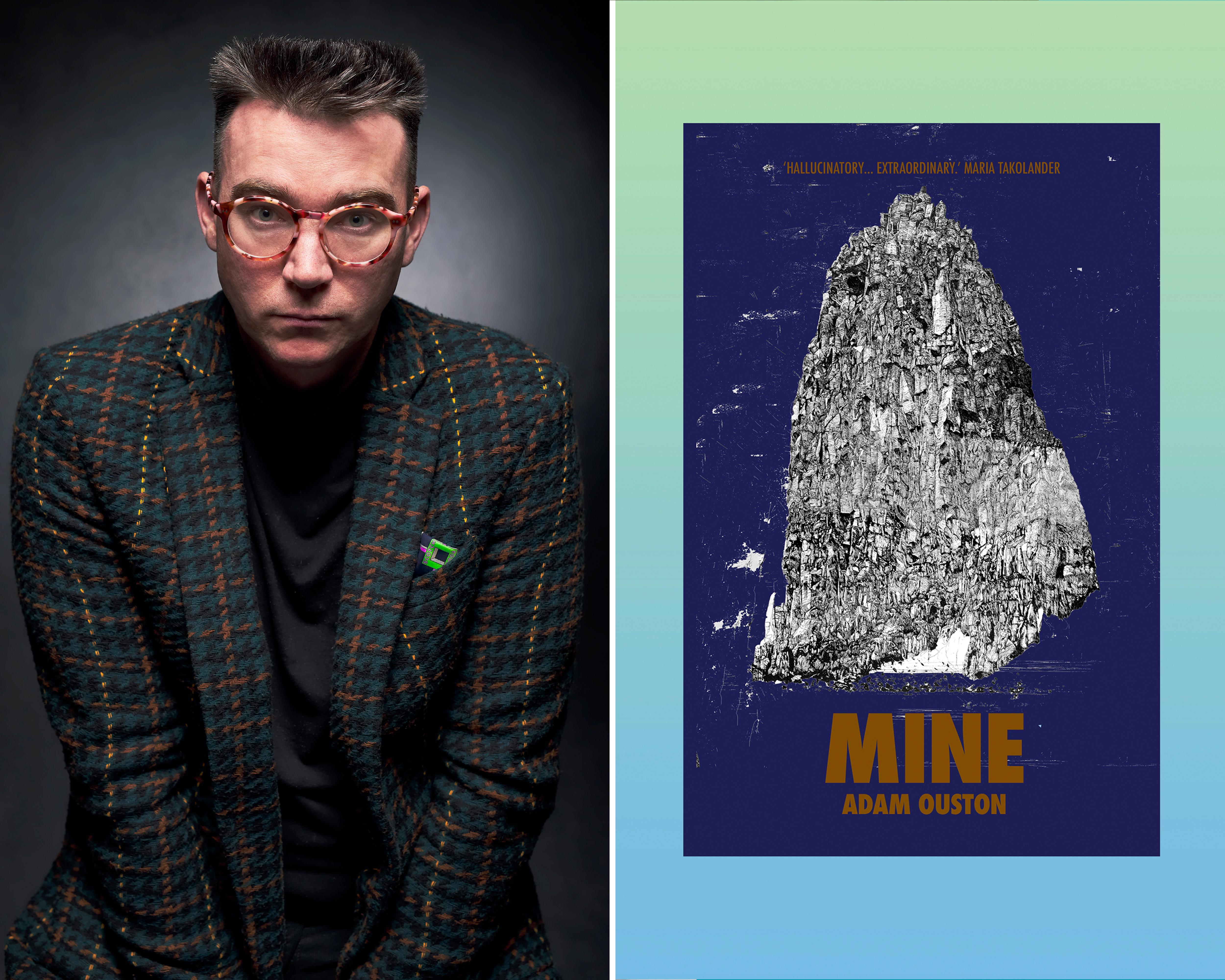
The Guardian has published a review of Adam Ouston’s second novel, Mine, describing the work as a hallucinatory reading experience constructed from a single, sprawling sentence. Published by Transit Lounge and priced at $34.99, the novel follows a poet, activist, and teacher who finds himself trapped at the bottom of an abandoned mine shaft in western Tasmania. He is there researching ghost towns for what he considers his final great work, a project he terms a hauntology.
The narrative is built from thousands of clauses, digressions, and modifications, designed to be consumed in one breathless sitting. The review notes that the novel begins and ends with a howl, an urgent frequency that is both consoling and terrifying. As the central character battles claustrophobia and carbon monoxide poisoning, the text winds through a maze of projections and identifications, mirroring his deteriorating physical state.
Ouston’s work is positioned within a tradition of transnational modernism, drawing comparisons to other maximalist novels that extend a single sentence across vast narratives. The review cites Daniel Kraus’s Angel Down, Lucy Ellmann’s Ducks, Newburyport, Laszlo Krasznahorkai’s Herscht 07769, Mathias Enard’s Zone, and Jon Fosse’s Septology as contemporaries in this demanding literary form.
At its core, Mine is an exploration of Tasmania’s brutal history and its maddening ecology. The title itself references the colonial prerogative to declare ownership over land and resources. The novel tackles the aftermath of the rapacious exploitation of the island’s mineral wealth, culminating in a vivid narration of the 1912 North Mount Lyell mine disaster, where 42 men lost their lives.
While the review acknowledges that sections of the book may buckle under conceptual overload, it praises the novel’s feral political energy. Ouston, whose debut Waypoints was longlisted for the 2023 Miles Franklin award, has established himself as a significant voice in contemporary Australian modernism. Mine is described as a more accomplished work, requiring readers to cut their own track through the text rather than following signposted paths.