30-year Treasury yield hits 19-year high above 5.31% ahead of Fed minutes
The US 30-year Treasury yield breached the 5.31% threshold on Monday, marking its highest point in nearly two decades as investors position themselves ahead of the Federal Reserve’s latest policy record.
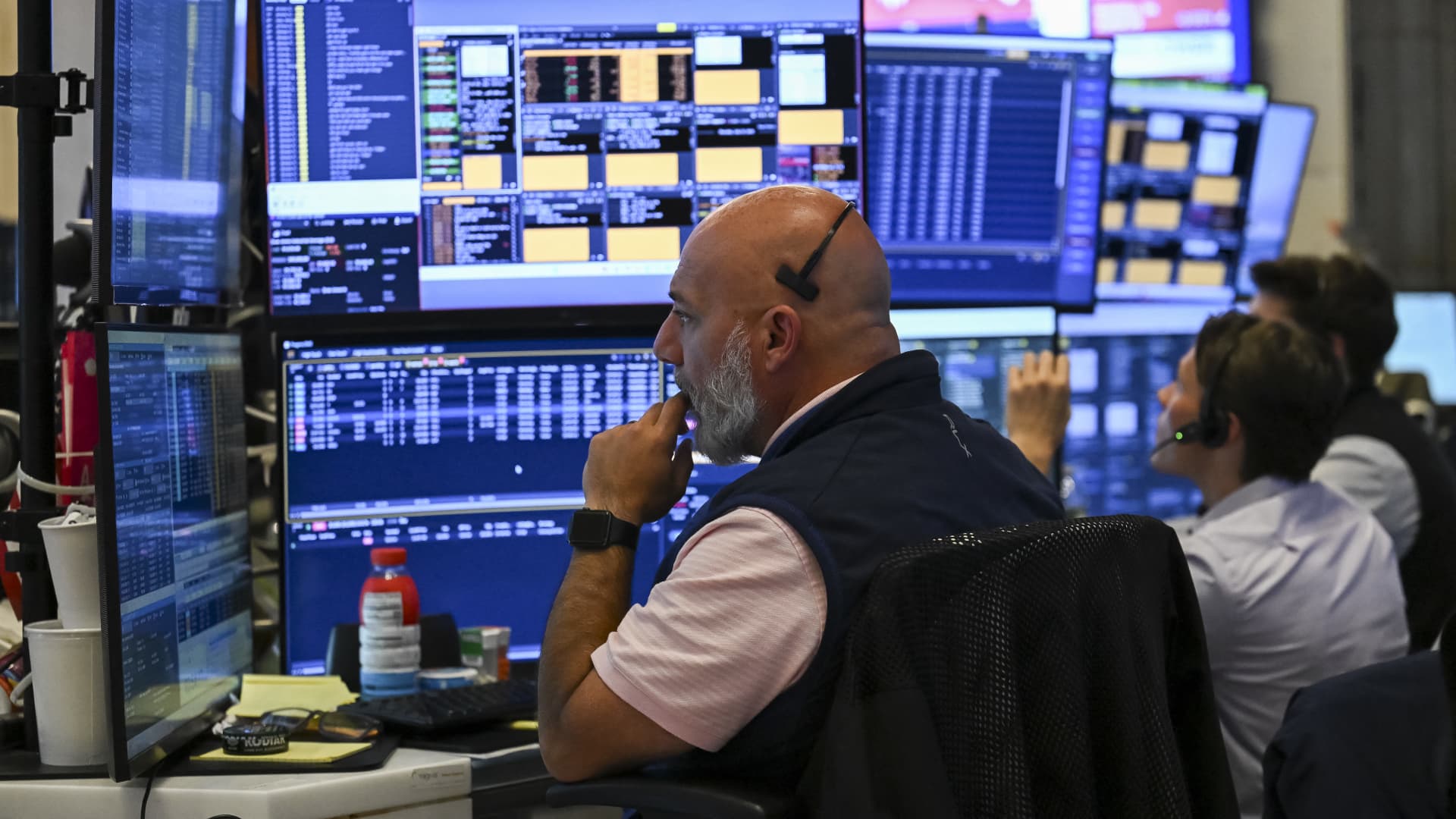
The 30-year Treasury yield has risen above 5.31%, marking its highest level in 19 years, according to data reported by CNBC. The surge in long-term borrowing costs comes as traders await the release of the latest Federal Open Market Committee (FOMC) minutes later this week.
Treasury yields serve as a critical benchmark for interest rates across the US economy, influencing everything from mortgage rates to corporate debt. The current spike reflects shifting market expectations regarding the trajectory of US monetary policy and inflation.
Market participants are closely monitoring the upcoming FOMC minutes for insights into the Federal Reserve’s deliberations. The minutes, which detail the discussions and voting patterns of the central bank’s policy-making body, are expected to provide clarity on whether officials remain committed to their current stance or signal potential shifts in the near future.
The release of the minutes follows a period of heightened volatility driven by recent inflation data. Earlier reports indicated that the Producer Price Index showed prices rising less than expected, reinforcing positive signals from the Consumer Price Index. This data had previously eased expectations for an immediate interest rate hike in September, causing US stock futures to move mixed, with the S&P 500 and Nasdaq Composite rising while the Dow Jones Industrial Average dipped slightly.
Despite the recent easing of rate hike expectations, the sharp rise in the 30-year yield suggests that long-term investors are pricing in persistent inflation risks or a more hawkish stance from the Fed than the short-term data might suggest. The specific implications of the FOMC minutes remain to be seen, but the current yield level underscores the tension between current economic indicators and long-term debt servicing costs.