2026 budget proposals target property tax concessions as Labor moves to address intergenerational fairness
The reforms aim to reduce tax advantages for property investment and family trusts, marking a departure from the cautious approach taken by the party in 2019.
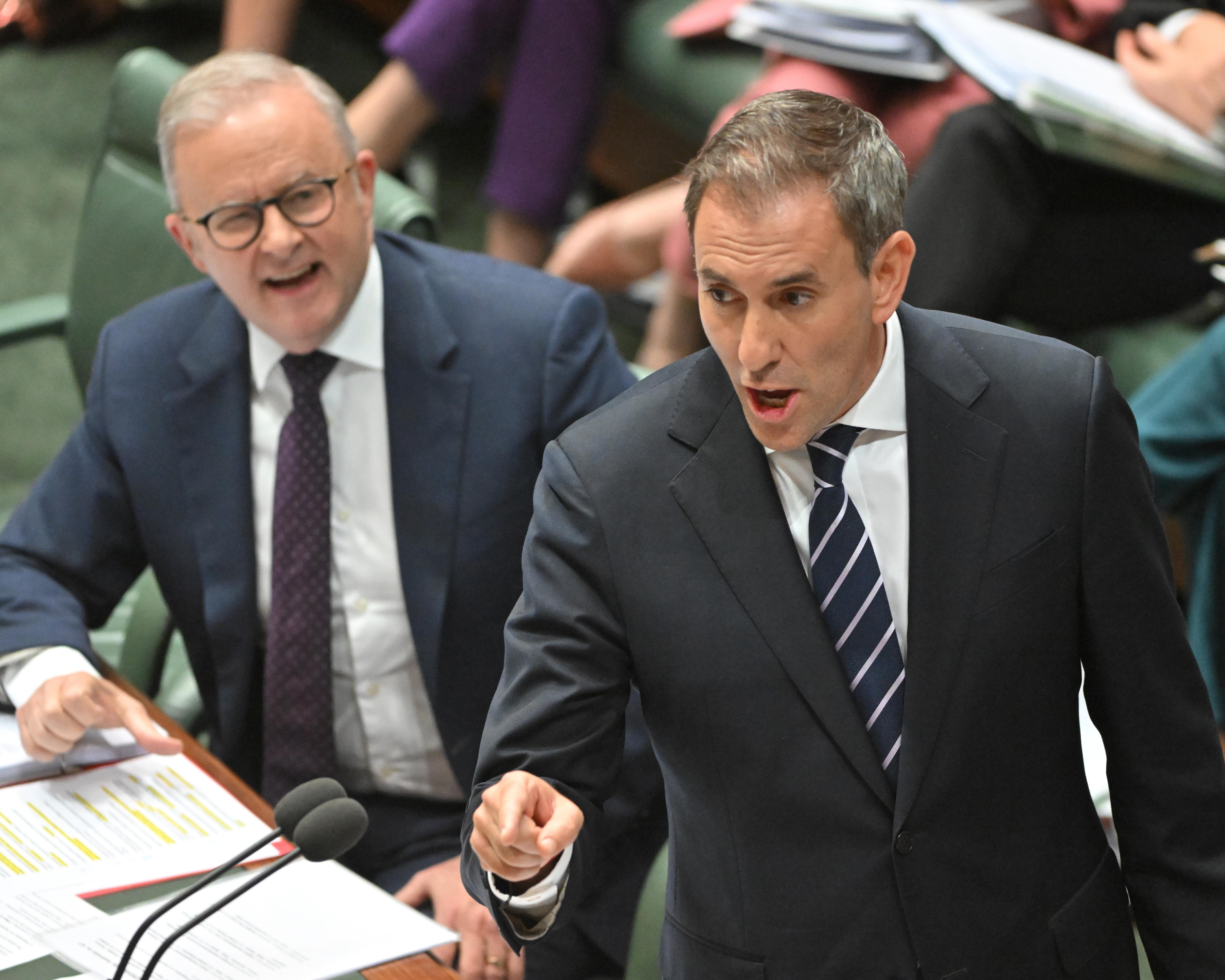
Federal Treasurer Jim Chalmers and Prime Minister Anthony Albanese are proceeding with 2026 budget proposals designed to reduce tax benefits attached to property investment and family trusts. The move specifically targets the negative gearing concessions and the 50 per cent capital gains tax discount introduced during the John Howard era.
This policy shift is framed as a material and symbolic breakthrough intended to address perceived intergenerational unfairness. The reform is driven by shifting electoral demographics where younger generations, specifically generations Y and Z, now outnumber baby boomers on the electoral roll.
The proposals represent a departure from the shell of caution the Labor party adopted after its election defeat in 2019. While Scott Morrison, then Treasurer, and Bill Shorten had considered or proposed similar reforms in the past without full implementation, the current government is actively pursuing these changes to rival the reform legacies of previous administrations such as those of Whitlam, Hawke, and Keating.
Analysis suggests the shift is supported by alienated migrant communities and younger voters who increasingly view conservative parties as hostile to multiculturalism and home ownership. These groups have become less tolerant of policies perceived to favour older property owners, creating a new political dynamic in the electoral landscape.
While the reforms are widely expected, the specific dollar amounts and legislative details have not been officially confirmed in the available sources. The claim that this will definitively mark the end of the Howard era is presented as a symbolic interpretation rather than a confirmed historical fact.
The remainder of Labor's second term will be critical in deciding whether it is remembered as a reform government or as a missed opportunity. The outcome depends on sustaining the lead in most polls while managing the political sustainability of the reforms among various voter demographics.