1994 World Cup surplus laid financial foundation for MLS and US soccer growth
Despite a challenging campaign under coach Bora Milutinovic, the US Men's National Team’s performance on home soil provided the economic surplus that launched Major League Soccer in 1996.
The financial surplus generated by the 1994 FIFA World Cup provided the critical economic foundation for the establishment of Major League Soccer (MLS) two years later, according to historical accounts of the tournament. The event, hosted in North America for the first time, generated significant revenue and public interest that extended beyond the pitch, creating the capital required to stage subsequent Women's World Cups and fund future bidding processes for men's tournaments.
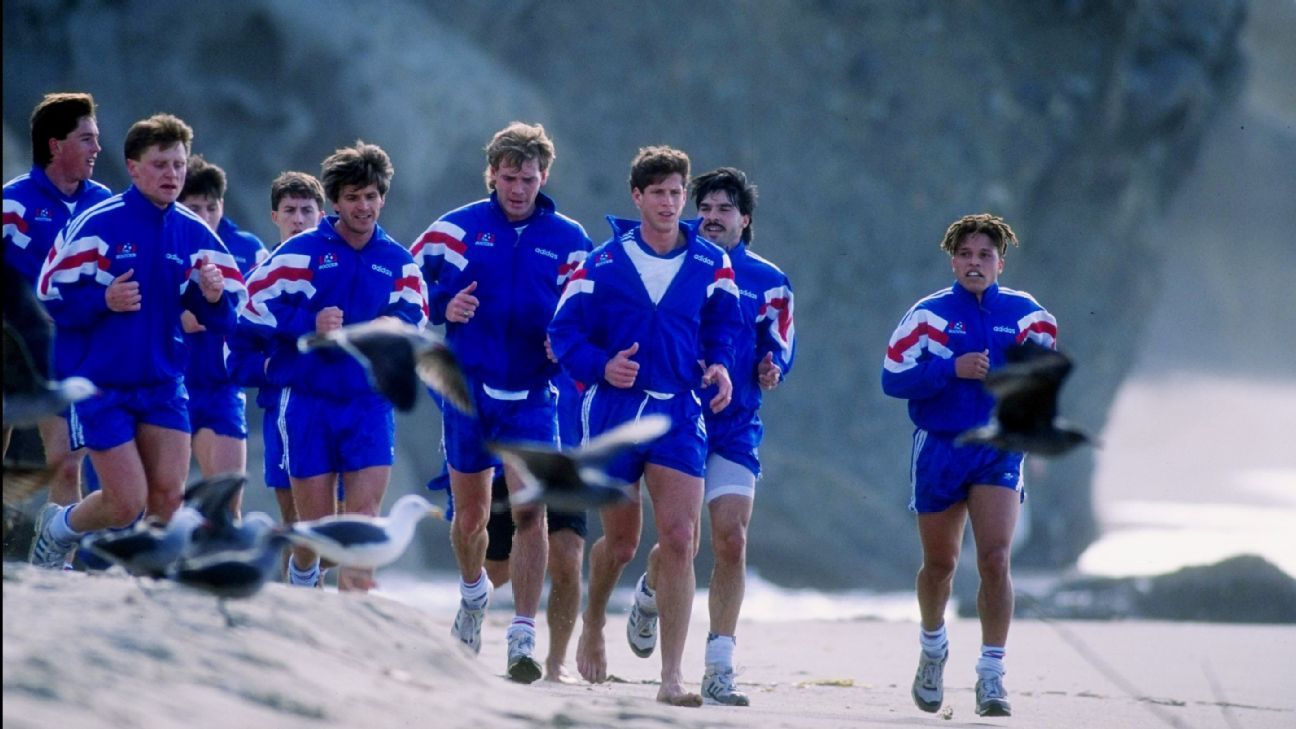
Prior to the 1994 tournament, the US Men's National Team (USMNT) was struggling to establish relevance following a group stage exit in 1990 that ended a 40-year absence from the competition. With only one player in a European first division and no domestic professional league, U.S. Soccer appointed Bora Milutinovic as head coach. The team endured rigorous training in Mission Viejo, California, overcoming infrastructure challenges such as flooded practice fields due to El Niño and incomplete facilities to exceed expectations by advancing from the group stage.
The team’s campaign concluded in the round of 16 with a defeat to Brazil, a match that saw midfielder Tab Ramos suffer a fractured skull. Despite the elimination, the tournament’s commercial success was substantial. Sunil Gulati, who served as director of national teams during the period, noted that the primary legacy of the 1994 World Cup was its economic sensibility and the creation of a professional league structure. The seeding of MLS has since been described as a phenomenal success, evolving into the second-most-well-attended league in the world on a total basis.
The cultural impact of the 1994 tournament also catalysed the long-term growth of American soccer. The exposure helped the US Women's National Team (USWNT) become the most successful in the world, with four World Cup titles to their name. The tournament established a recurring cultural touchpoint for the men's game, fostering a fan base that now supports regular participation by American players in Europe's Big Five leagues and the UEFA Champions League.
Current USMNT coach Mauricio Pochettino leads a squad featuring stars from top European competitions, a stark contrast to the 1994 roster. However, the modern professional ecosystem, including the 30-team MLS structure and the integration of players like Christian Pulisic into global football, traces its institutional origins to the financial and cultural momentum generated by the 1994 World Cup.