Yang’s Nobile Mobile bets on cost-of-living disruption as AI wealth concentrates
Nobile Mobile, a mobile virtual network operator launched by Andrew Yang, offers lower rates and refunds for unused data, positioning itself as a counterweight to traditional carrier margins.
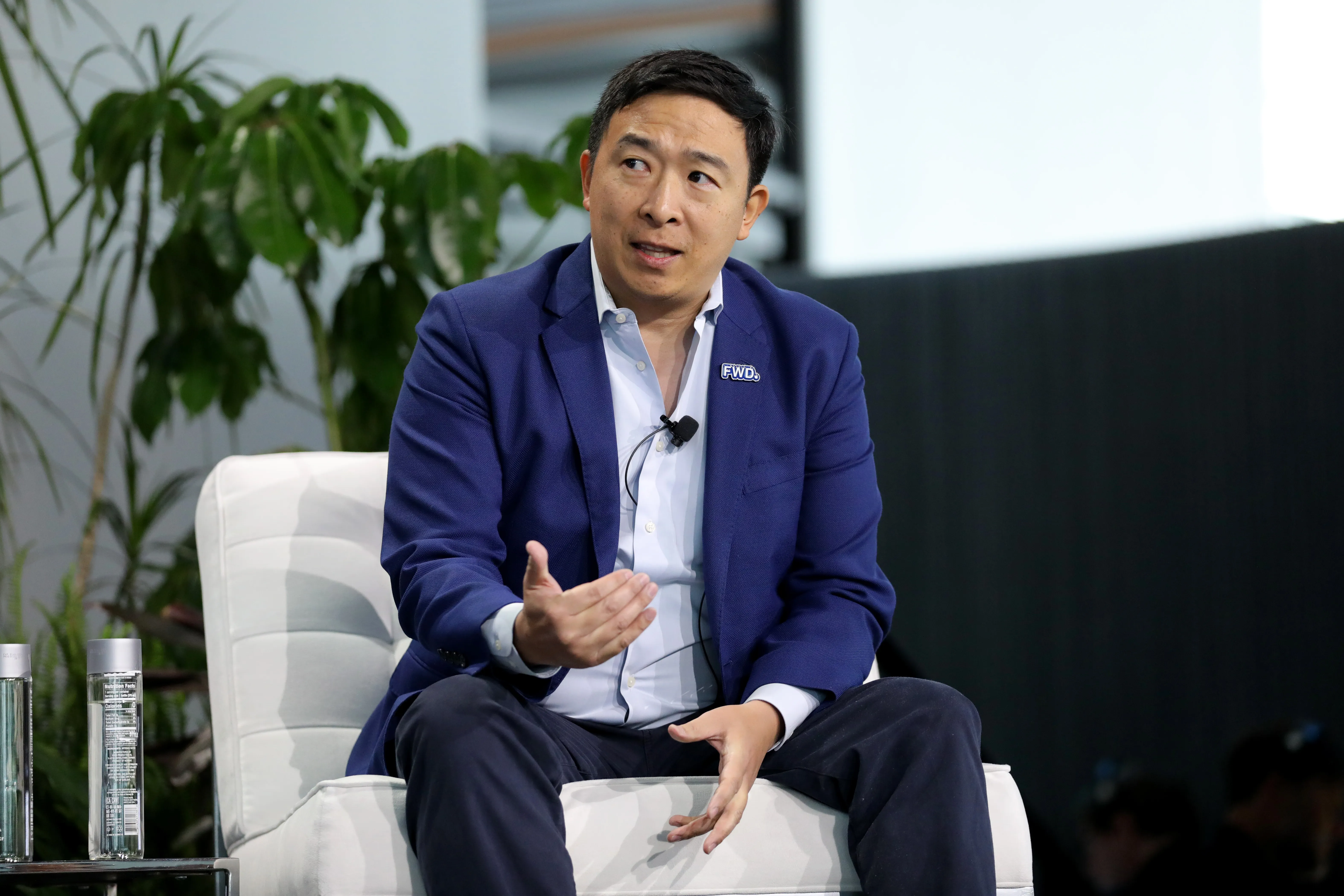
Andrew Yang has launched Nobile Mobile, a mobile virtual network operator designed to reduce consumer costs for wireless services. The entrepreneur and former US presidential candidate argues that the next significant startup opportunity lies in lowering the cost of living, specifically targeting sectors such as housing, food, education, fuel, transportation, media, and wireless. Nobile Mobile operates on a model that charges lower rates than traditional carriers and refunds customers for unused data, aiming to return value to the consumer.
Yang links this venture to his broader advocacy for Universal Basic Income, suggesting that market-based solutions can help redistribute wealth generated by artificial intelligence. He posits that as AI threatens to compress wages and displace workers, meeting people’s basic needs less expensively becomes a critical economic imperative. Yang believes that while policy may fail to effectively redistribute AI-generated wealth, market incentives can step in to maintain consumer purchasing power.
The business model draws inspiration from Mark Cuban’s Cost Plus Drugs, which sells pharmaceuticals at cost. Other examples of this emerging category include Light Phone and Misfits Markets. Since its launch last September, Nobile Mobile has reportedly grown to thousands of customers and generated millions in revenue. Yang stated the company is unit profitable per customer, with the strategy focused on sharing profits with subscribers to encourage retention and word-of-mouth growth.
Yang highlighted the potential long-term financial impact for consumers, noting that average monthly savings of $50 could compound to $24,000 over 40 years. This figure, he argued, could serve as a meaningful down payment for retirement. The approach contrasts with the current investment landscape, where capital remains heavily concentrated in artificial intelligence, often leaving consumer-facing businesses with thin margins and social missions difficult to fund.
Despite the opportunity, Yang faced investor scepticism during the fundraising process. He reported that at least one potential investor suggested he pivot to an AI-focused model to secure funding, illustrating the prevailing bias in venture capital. Yang contends that even extractive companies need an economy where consumers have sufficient buying power, suggesting that broader adoption of cost-reduction models could benefit the entire ecosystem.