Xreal targets 2026 IPO as CEO claims smart glasses sector hits inflection point
The Google partner is preparing a commercial launch for its Project Aura device later this year, with plans to list on the public markets before the end of 2026.
Chi Xu, the founder and chief executive of Xreal, has declared that the smart glasses industry has reached a critical turning point, driven by the commercial traction of Meta’s Ray-Ban partnership. Speaking at Google’s I/O conference in Mountain View, Xu outlined a strategy for his company to capitalise on improving hardware miniaturisation and software interfaces, aiming to transition the sector from a historically unprofitable venture into a viable market.
The smart glasses sector has long been characterised by significant capital expenditure with limited returns, often described by industry insiders as a financial black hole. Despite the appeal of lightweight, face-worn computing, previous iterations struggled with bulky form factors and limited software utility. However, the 2023 launch of Meta’s smart glasses marked a shift toward commercially viable models, providing a template that Xu believes Xreal can now follow with its own technological advancements.
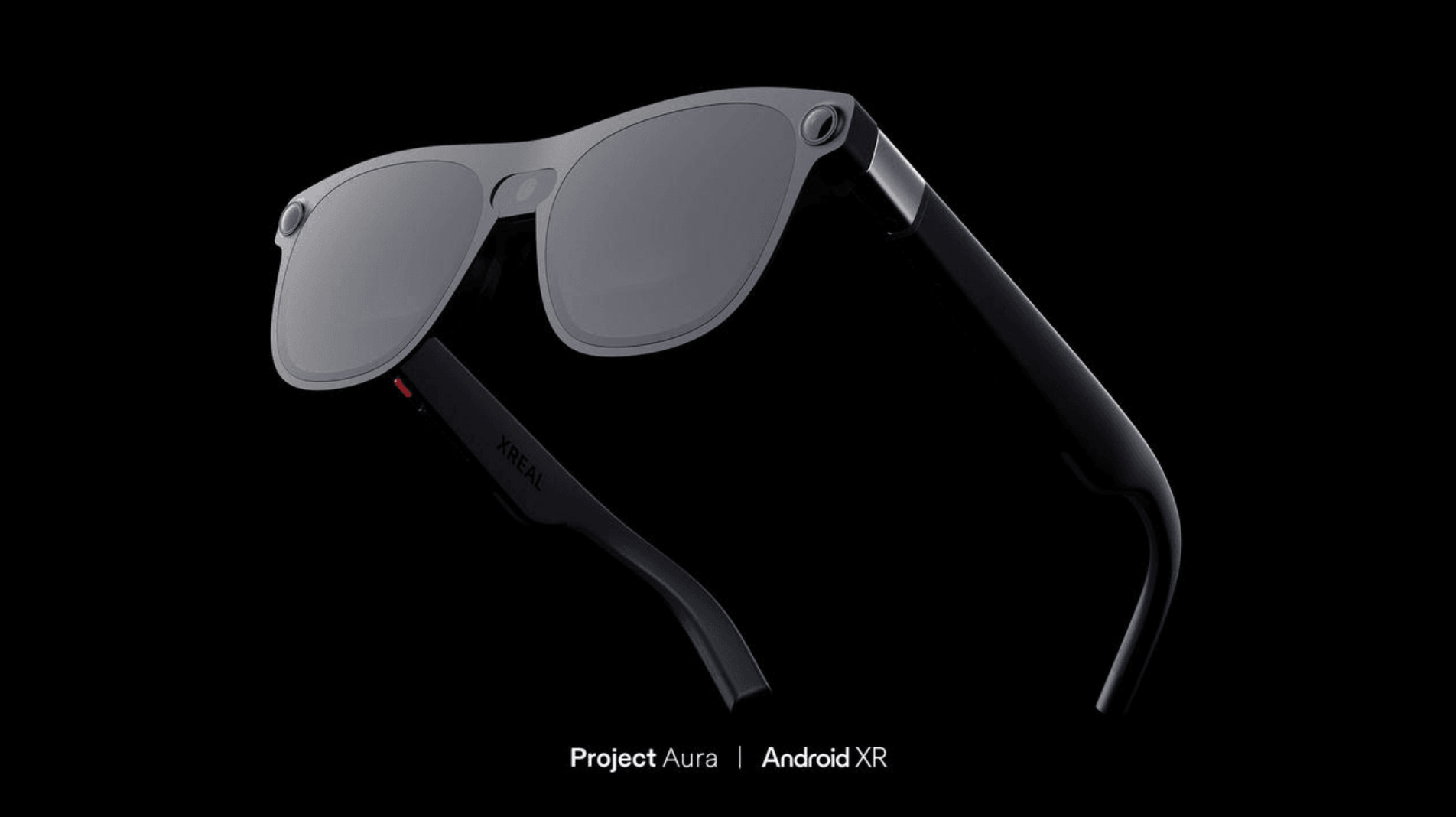
Xreal is currently promoting Project Aura, a wired smart glasses device featuring embedded OLED displays. The system is tethered to a portable, phone-shaped computing puck that handles power and processing, allowing users to access features such as an immersive Google Maps application, VR YouTube playback, and hand-tracking holographic painting tools. While the device is currently restricted to developers, the company has scheduled a commercial launch for later this year.
Financially, Xu indicated that the business is on a path to profitability, predicting that Xreal could break even next year. This projection is based on recent improvements in gross margins and a strategic reduction in marketing and sales costs. The company is also preparing for a public listing, with an initial public offering targeted for completion before the end of 2026, although Xu declined to provide specific details regarding the timeline or conditions for the flotation.
The device is designed for both consumer and professional use, with applications ranging from virtual entertainment to private workspaces in public settings. As Xreal moves toward its IPO, the company’s ability to sustain the projected margin improvements and execute the commercial rollout of Project Aura will be closely watched by investors assessing the broader viability of the augmented reality hardware market.
