Withings and Oura target GLP-1 users with new health tech features
Withings launches the BodyFit scale and Oura introduces app insights, aiming to help patients monitor muscle loss and symptoms linked to Ozempic and Wegovy.
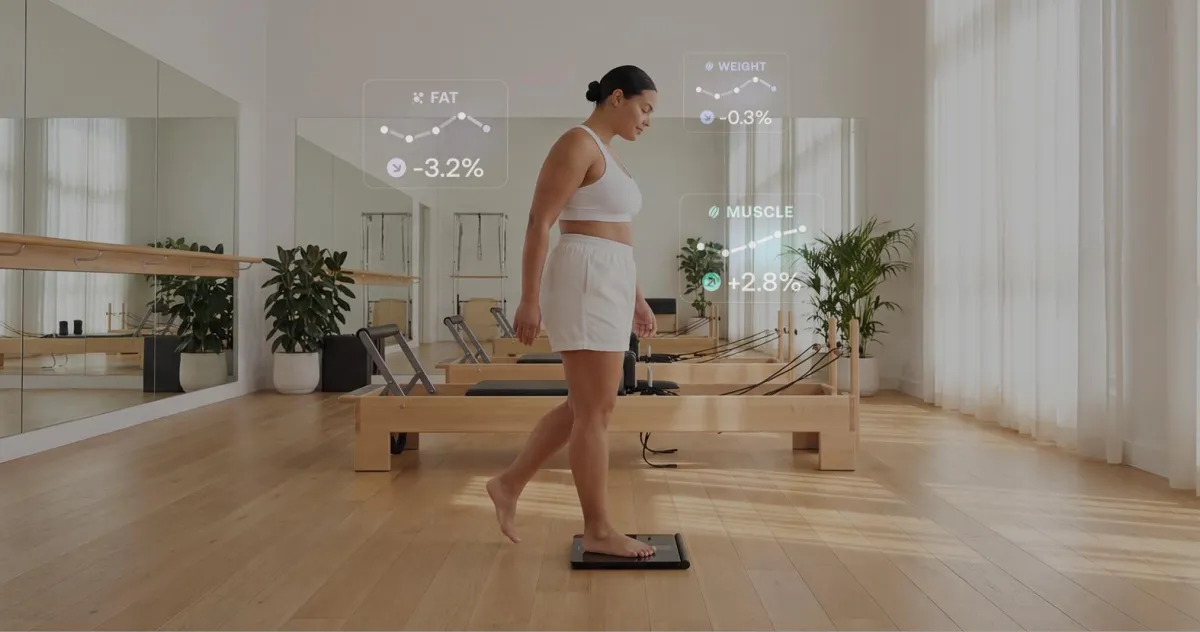
Health technology companies Withings and Oura have introduced new products specifically targeting users of GLP-1 weight-loss medications, including Ozempic, Wegovy, Zepbound, and Mounjaro. Withings has launched the BodyFit smart scale, priced at $280 and marketed as being "built for GLP-1 users," while Oura has added "GLP-1 insights" to its application. These tools aim to assist patients in monitoring muscle mass loss and tracking symptoms, addressing concerns that GLP-1 therapies can lead to significant muscle depletion.
The Withings BodyFit is described as a budget, wellness-focused version of the company’s $500 Body Scan scale. It features retractable handles for segmented body composition analysis via bioimpedance technology but lacks more medically coded features. Traditional smart scales generally measure lower body metrics using bioimpedance and use algorithms to extrapolate total body metrics, whereas segmented body composition incorporates upper body and torso measurements. Critics argue that the marketing represents a stretch for existing technology, noting that the device is essentially a scaled-down version of a premium product.
Withings vice president of health solutions Antoine Pivron stated that while GLP-1 therapies changed obesity care, sustainable outcomes require combining treatment with services and continuous health data. "Medication creates momentum, but sustainable outcomes come from combining treatment with services and continuous health data," Pivron said. He added that the company is seeing a broader shift toward more personalised and connected metabolic care, which aligns with Withings' long-term focus.
Oura’s new feature is designed to help users track dosages during titration, monitor symptoms, and use AI insights to determine if experiences are normal or require physician consultation. For example, the app can alert users if a rising resting heart rate is a known side effect of the medication rather than a clinical danger. This functionality addresses the challenge of managing side effects between doctor visits, a common pain point for patients navigating these treatments.
The move reflects a broader industry shift towards personalised metabolic data and continuous health monitoring, particularly as approximately one in eight Americans has used or is currently using GLP-1 medications. However, some users and reviewers have expressed skepticism about the necessity of new hardware for this demographic. One senior reviewer at The Verge, who is currently taking a GLP-1 medication, noted that existing health tech often operates from an aggregated viewpoint that may not suit users with specific medical conditions or chronic fatigue.
While the marketing for the BodyFit has been questioned, the underlying need for monitoring is real. Doctors typically recommend prioritising protein intake and regular strength training to mitigate muscle mass loss associated with GLP-1 therapies. The initial data from the BodyFit scale indicated the reviewer had normal muscle mass for their age and gender, though total muscle mass was deemed insufficient, with low visceral fat but higher subcutaneous fat.
Health tech companies are increasingly focusing on metabolic data and personalised health solutions as the popularity of these medications grows. The overlap in timing for these announcements suggests a coordinated industry effort to capture this growing market segment. Whether these tools provide genuine value or simply repackage existing technology remains a point of debate among users and analysts alike.
