WIRED updates protein powder rankings following three years of testing
Consumer Reports data highlights lead contamination risks in plant-based alternatives, while WIRED’s latest review benchmarks taste, mixability, and sourcing across 17 brands.
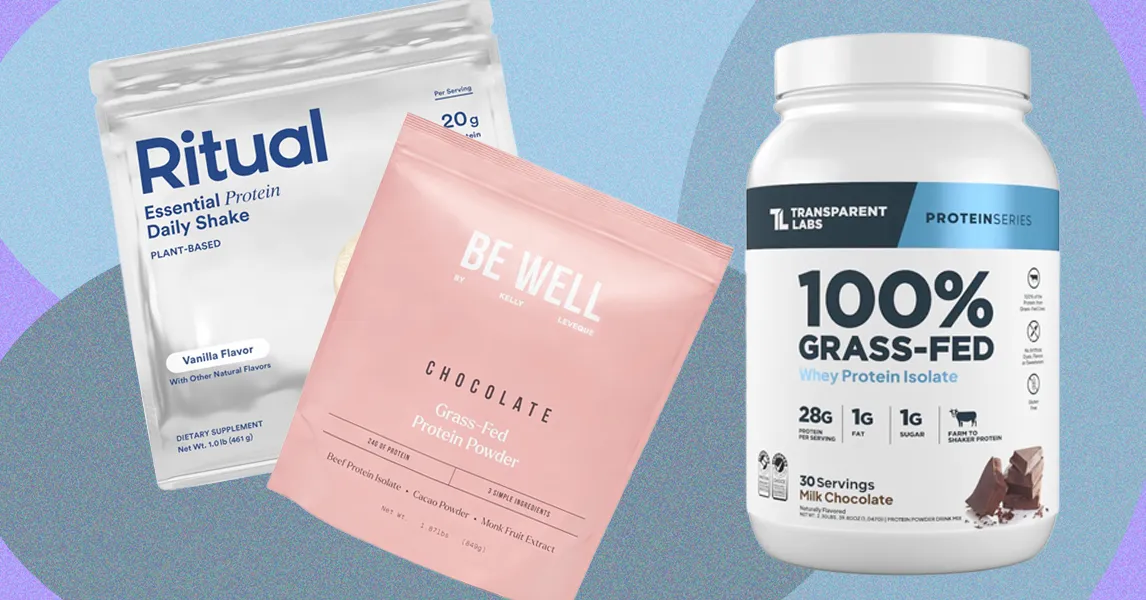
WIRED has released an updated ranking of the top 10 protein powders, synthesising data from three years of testing and published in June 2026. The guide evaluates products based on taste, texture, mixability, and ingredient transparency, prioritising options with minimal additives and third-party certifications such as NSF Certified for Sport or Informed Choice. The review covers various protein sources, including whey, plant-based blends, beef isolate, and casein.
Specific brands highlighted in the updated guide include Optimum Nutrition, Transparent Labs, Ritual, and Dymatize. Other notable mentions are Promix, Momentous, Isopure, Be Well by Kelly, Mikuna, Puori, Naked Casein, Ghost, Seeq, Sakara, BSN, Orgain, and Aloha. The publication advises consulting a medical professional or registered dietitian before consuming protein powders and notes that supplementation may not be necessary for those eating a balanced diet.
The testing methodology involved sampling each powder at least three times to assess sensory qualities. Powders were mixed with water, milk, and non-dairy alternatives, and baked into muffins or blended into smoothies. Solubility and manufacturing practices were scrutinised, with a focus on complete proteins containing all nine essential amino acids. The guide also removed discontinued products and updated specifications tables.
Consumer Reports findings were referenced regarding heavy metal contamination, noting that plant-based powders often contain higher levels of lead than dairy-based alternatives. Specifically, plant-based options were found to have lead levels approximately nine times higher than dairy-based options and twice as much as beef-based powders. However, the publication noted that most products remain safe in moderation and that even the highest levels fall below what would cause immediate harm.
WIRED’s editorial team provided detailed assessments of individual products, noting trade-offs between taste and ingredient cleanliness. For instance, while some flavours offer appealing tastes, they may include artificial sweeteners or gums. Conversely, cleaner labels with fewer additives may present textural challenges. The guide emphasises that protein powders are not meal replacements but can be beneficial for specific dietary needs, athletic recovery, or medical conditions requiring increased protein intake.
