WIRED Reviews Evaluates Portable Translation Hardware for Immersive Travel Communication
A new guide from WIRED Reviews categorises translation tools into handheld interpreters and earbud-based systems, highlighting specific models like the Timekettle T1 and InnAIO T10 alongside warnings regarding offline functionality and language pair limitations.
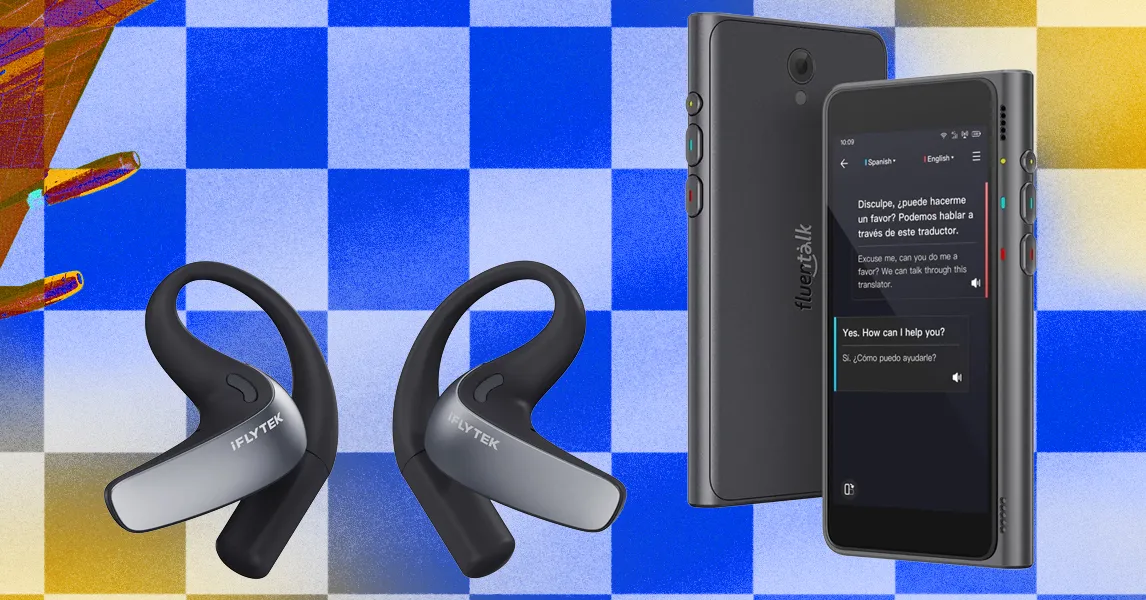
As summer travel approaches, the need for effective communication abroad has shifted beyond the capabilities of standard smartphone applications. While free apps such as Google Translate, Apple Translate, and DeepL Translate suffice for basic directions and menu translations, WIRED Reviews argues that bespoke hardware is required for immersive, sustained conversations with locals or international visitors. The publication distinguishes between these standalone tools and the emerging earbud-based systems that are reshaping the industry.
Handheld translators are positioned as superior options for voice-based dialogue, allowing users to multitask without tethering their primary smartphone. The review highlights the Timekettle T1 as a reasonably affordable, pocketable device featuring a 4-inch touchscreen and an 8-megapixel camera for photo translation. However, the unit faces criticism for its small screen, which limits text display, and potential signal gaps with its included global eSIM, although Wi-Fi connectivity resolves these issues. The device supports 31 offline language pairs, making it viable for off-grid travel if planned ahead.
For users seeking a hybrid approach, the InnAIO T10 is described as an AI notetaker and translator that clips to a smartphone via MagSafe. This device lacks a screen and requires holding a button in a mobile app to facilitate audio translation. While it has been upgraded with an offline mode, full functionality necessitates a $179 annual subscription, as the free tier restricts real-time translation to 120 minutes per month. The review notes that this model is particularly effective for written translations but requires more manual input for audio features.
Earbud-based translators are identified as the industry's next direction, offering a natural, hands-free experience where each participant wears one device. These systems allow for seamless two-way communication, with software on a paired phone handling the translation behind the scenes. Despite their intuitive design and ability to function like a professional interpreter whispering in a user's ear, these devices currently lack offline functionality and strictly require an active internet connection on a paired phone to operate.
The report cautions consumers to scrutinise subscription terms before purchasing, noting that many devices offer free service only for a trial period. Furthermore, users must verify that specific devices support the necessary language pairs, as support for hundreds of languages does not guarantee translation between every specific combination. The guide concludes that while smartphone apps remain adequate for casual travellers, dedicated hardware is best suited for frequent users expecting to carry on multiple sustained conversations over time.
