WIRED report highlights domestic strain as AI boom reshapes household dynamics
A new investigation reveals how the intense focus on artificial intelligence careers is creating emotional distance for spouses, with some turning to chatbots for conflict resolution.
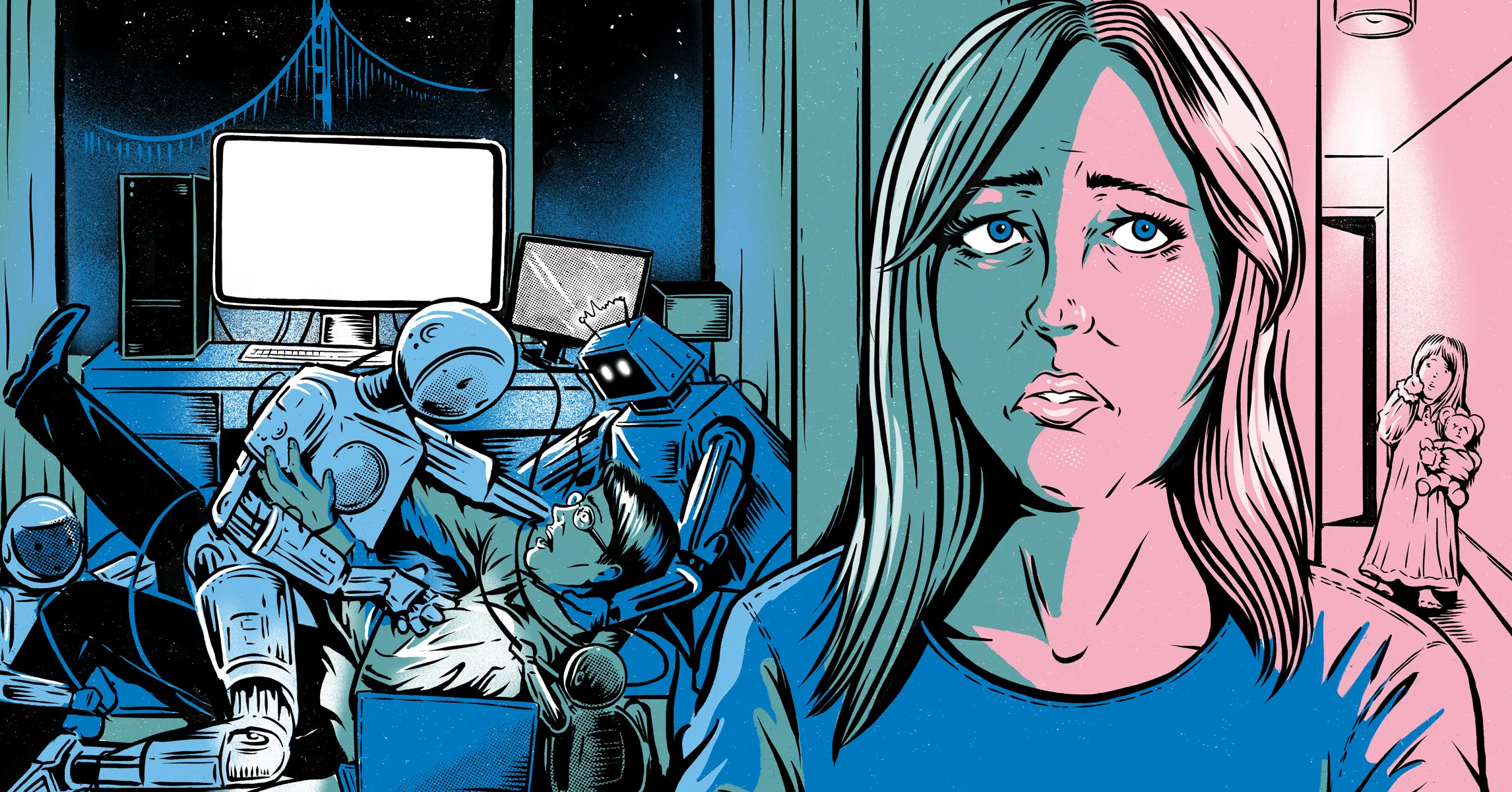
A recent WIRED article titled "Meet the Sad Wives of AI" examines the collateral damage of the artificial intelligence boom on family structures, particularly within the San Francisco Bay Area. The report details how male partners' intense dedication to AI careers is generating significant emotional distance and resentment among their spouses, who often bear the brunt of domestic responsibilities while their partners are consumed by the technology.
Yana van der Meulen Rodgers, chair of labour studies at Rutgers University, characterises the situation as a labour market story rather than merely a lifestyle issue. She describes a "perfect storm" of forces reshaping household dynamics, driven by the fact that 71 per cent of AI-skilled workers are men and there are approximately 35,000 open AI roles in the US. This scarcity of opportunity creates a pressure cooker environment where partners feel compelled to prioritise career advancement over home life.
The article highlights the "ideal worker" model, an economic concept that prioritises long hours and total dedication, often at the expense of care work. Rodgers notes that this model disproportionately affects women, who are less likely to use generative AI in their current roles, such as education and health care. Consequently, women face a compounding disadvantage, managing increased domestic labour while having less access to the financial rewards of the AI boom.
Therapists are reporting a rise in marital strain linked to this industry obsession. Bridget Balajadia, a clinician at Lupine Counseling in San Jose, notes that some clients are processing their marital issues with chatbots like ChatGPT. While this provides immediate validation, Balajadia warns that it hinders genuine conflict resolution, as the technology does not challenge users to address the root causes of their relationship difficulties.
The piece draws parallels to previous technological bubbles, such as the dotcom era of 2001, suggesting that the current fervour follows historical patterns of individual sacrifice for technological advancement. As the industry continues to expand, the report suggests that the social and domestic costs of this rapid shift are becoming increasingly visible, with many spouses left to manage the fallout of a volatile and all-consuming sector.
