WIRED advocates for ultralight quilts as superior to traditional sleeping bags for weight-conscious hikers
A recent feature in WIRED reviews products from Therm-a-Rest, Enlightened Equipment, REI, and Zenbivy, highlighting the trade-offs between weight savings and thermal efficiency in backcountry sleep systems
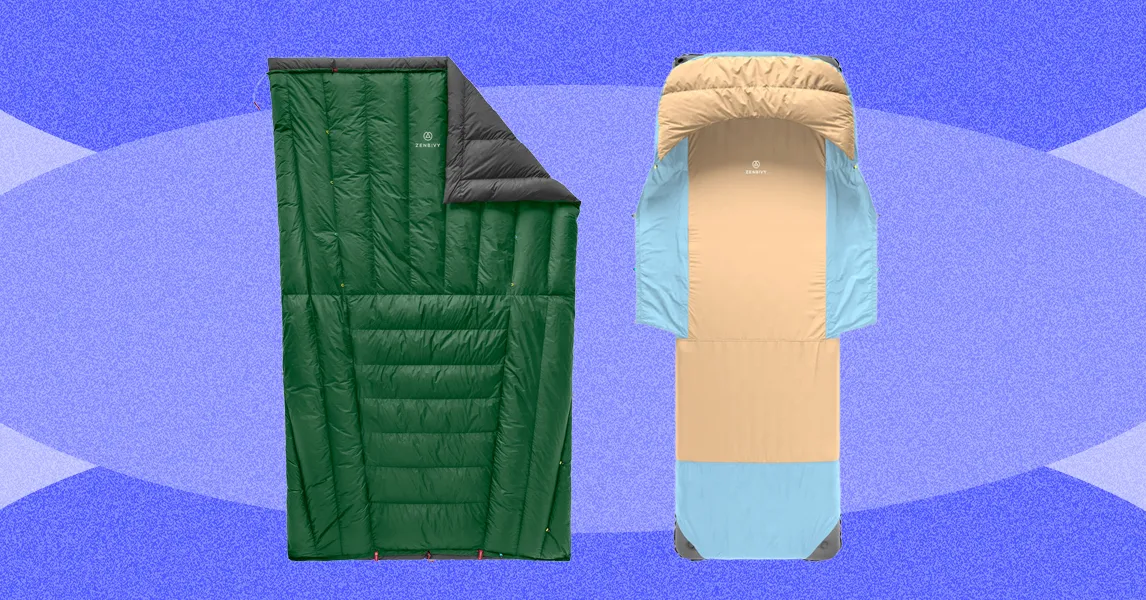
A WIRED article published on 30 May 2026 has reignited the debate over backcountry sleep systems, advocating for ultralight backpacking quilts over traditional mummy-style sleeping bags. The publication argues that quilts, which consist of a top layer of down-filled nylon without a bottom insulation layer, provide substantial weight and space reductions for hikers seeking to minimise pack load.
The structural difference between the two systems is central to the argument. While a sleeping bag encloses the user like a burrito, a quilt lays over the sleeper like a blanket. The author notes that the weight of a body in a traditional bag compacts the down underneath, rendering much of that insulation ineffective. By eliminating the bottom layer, quilts reduce bulk and weight while offering greater freedom of movement for those who shift positions during sleep or dislike confinement.
Specific products from brands including Therm-a-Rest, Enlightened Equipment, REI, and Zenbivy are reviewed in the piece. The Enlightened Equipment Revelation and REI Magma Trail Quilt are highlighted for their warmth-to-weight ratios and versatility. The Zenbivy system is also noted for its ability to combine a quilt with a sheet and hood, offering a balance between the openness of a quilt and the draft protection of a bag.
However, the article cautions that quilts are not a universal solution. They are best suited for sleepers who move around, side sleepers, or those who prioritise weight savings over maximum warmth. Traditional sleeping bags remain the preferred choice for individuals who remain still or encounter extreme cold, with the author suggesting a personal threshold of 15 degrees Fahrenheit as the point where a bag becomes necessary.
The suitability of a quilt also depends on the insulation value of the sleeping pad used, as the ground layer is no longer provided by the sleep system itself. The author recommends testing quilts, perhaps by renting one from REI, to determine if the trade-off in thermal efficiency is acceptable for the gain in comfort and reduced pack weight.
