WIIRed 2026 Sleep Tracker Review: AI Guidance Takes Centre Stage
A comprehensive evaluation of wearable and contactless sleep technology reveals a market shift towards AI-driven insights, while sleep scientists emphasise total rest time over proprietary metrics.
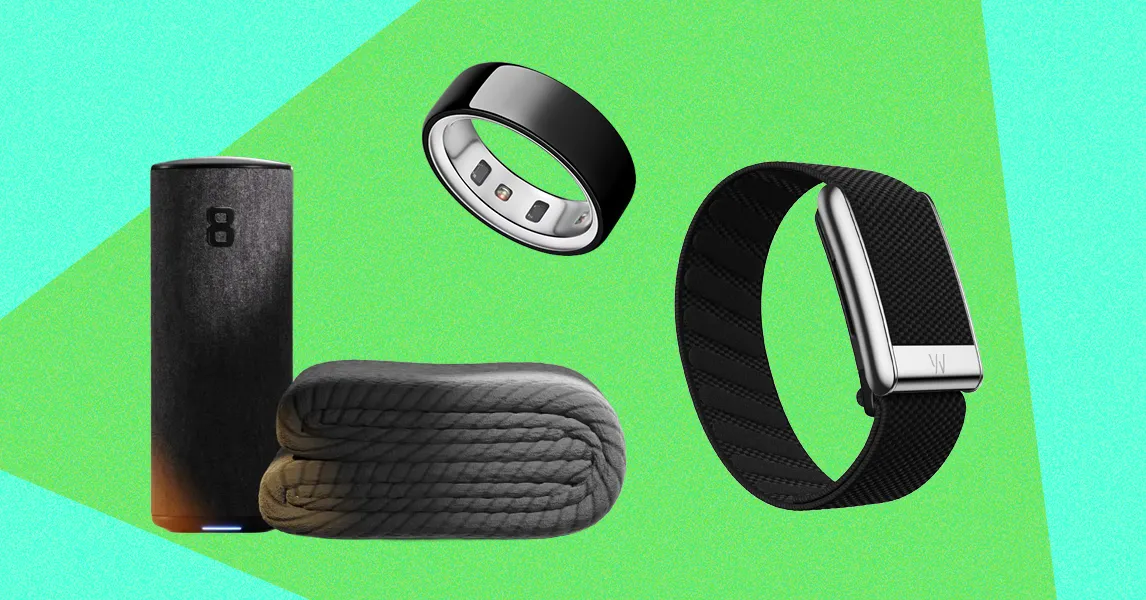
WIIRed has published its 2026 review of the leading sleep trackers, identifying a distinct industry pivot from passive monitoring to AI-driven active guidance. The publication evaluated a broad spectrum of devices, including the Oura Ring, Whoop, and Eight Sleep Pod 5, noting that while wearables generally deliver more consistent heart-rate data, contactless alternatives offer superior comfort for overnight use. The review highlights that consumer-grade technology is increasingly focused on providing personalised coaching and actionable insights to help users translate raw data into healthier habits.
Among the wearable category, the Oura Ring was singled out for its accuracy, utilising an 18-path multi-wavelength photoplethysmography sensor, an NTC thermistor, and a 3D accelerometer to monitor blood oxygen, heart rate, and movement. The device tracks total sleep time and efficiency, with auto-detected naps factored into its scoring algorithm. However, accessing advanced health metrics requires a $6-per-month subscription. Similarly, the Whoop screenless tracker offers comprehensive coaching based on daily strain levels, though it requires a high-tier membership for features such as ECG and blood pressure monitoring.
For those preferring non-wearable solutions, the Eight Sleep Pod 5 emerged as a top contender. This mattress cover regulates temperature between 55°F and 110°F and tracks sleep patterns independently for partners. While it provides metrics comparable to wearables, including heart rate variability and respiratory rate, it requires a 12-month Autopilot plan subscription to access sleep reports and automatic adjustments. Other contactless options, such as the Withings Sleep Tracking Mat, were found to occasionally misclassify periods of wakefulness as light sleep, particularly when users are reading or watching television in bed.
Smartwatches and headbands presented mixed results in the evaluation. The Google Pixel Watch 4 was praised for its accuracy and compact design, though deeper insights necessitate a Google Health Premium subscription. In contrast, the Muse S Athena Headband, which uses EEG-like sensors to track brain activity, was deemed uncomfortable and prone to tracking failures. The Garmin Epix Pro (Gen 2) was noted for overestimating sleep duration by up to an hour, while the Apple Watch Series 11 provides a general overview of sleep stages without a dedicated sleep score.
Sleep scientist Joseph Dzierzewski advised users to prioritise total sleep time and daily restfulness over proprietary sleep scores or nightly fluctuations. He noted that while wearables capture heart-rate signals more consistently, neither category matches the precision of clinical sleep studies. Dzierzewski warned that sleep stage tracking infers brain states from indirect signals, making misclassification common, and urged consumers to focus on consistent sleep timing and how rested they feel rather than obsessing over data transparency issues inherent in many consumer devices.
