WIARD Review: Indoor Hydroponic Systems Offer Convenience, Not Cost Savings
A year-long evaluation of brands including Gardyn, AeroGarden, and Lettuce Grow finds that while technology has advanced, consumers should expect premium pricing and maintenance overhead rather than grocery bill reductions.
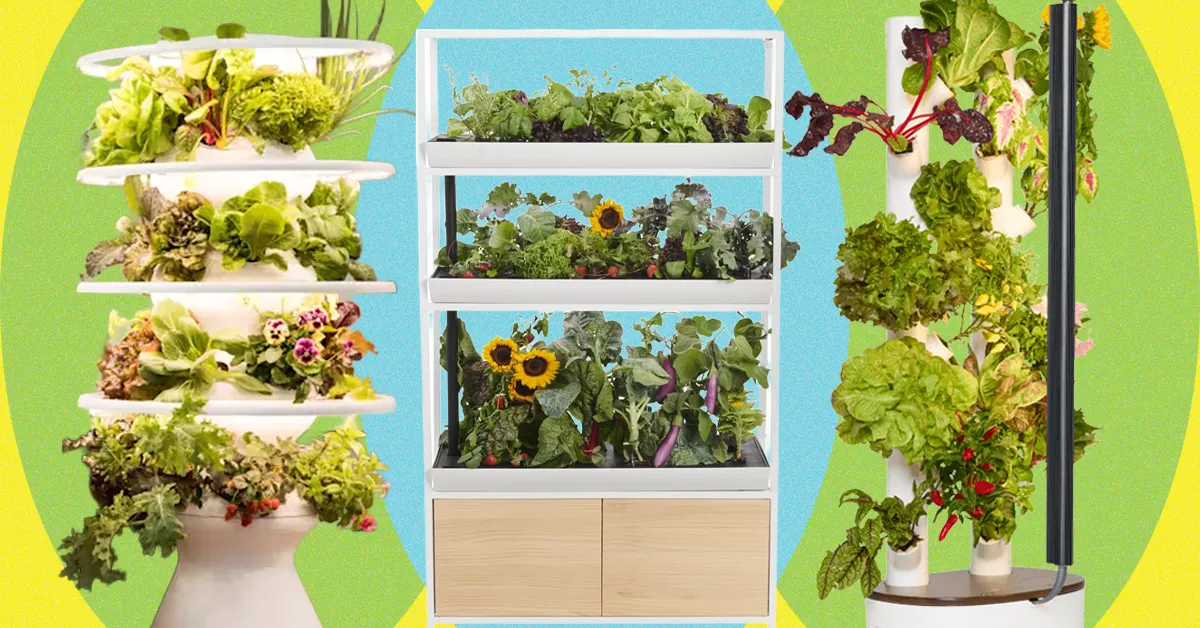
WIRED has published a comprehensive review of indoor smart garden systems, testing various models throughout 2026 to determine their value and performance. The article evaluates systems from brands including Gardyn, Lettuce Grow, AeroGarden, LetPot, Auk, InstaFarm, Rise, Click & Grow, Plantaform, and Vego. Key findings highlight Gardyn Home 4.0 for its high yield and AI-driven maintenance, despite recent cybersecurity advisories from CISA regarding data privacy vulnerabilities. Lettuce Grow’s Farmstand is noted for its modularity but suffers from pest issues with supplied seedlings. AeroGarden, which ceased operations in late 2024, has returned with updated models like the Bounty. The review concludes that while hydroponic systems offer convenience and clean produce, they are generally more expensive than traditional gardening and do not necessarily save money on food costs.
The Gardyn Home 4.0 emerged as a standout for its yield and ease of use, particularly when paired with the “Kelby” AI subscription service. Priced at $899, the system uses proprietary yCubes and an app that monitors plants via sensors and cameras to deliver customised watering and lighting schedules. The AI, reportedly based on OpenAI’s ChatGPT, provides maintenance suggestions, though the $259 annual subscription fee adds significant ongoing cost. However, the system has faced scrutiny over data privacy; the US Cybersecurity and Infrastructure Security Agency (CISA) issued advisories in February and April 2026 regarding vulnerabilities that could allow remote access to device data. Gardyn states these issues have been remediated with recent firmware updates.
Market volatility was evident in the performance of AeroGarden, which ceased operations in late 2024 before returning with updated models such as the Bounty Elite and Basic. The review notes that while the new units feature quieter pumps and efficient lighting, they face stiff competition from established alternatives. LetPot’s LPH-SE “Senior” is recommended as a cost-effective option, offering 12 pod slots and non-proprietary refill options that may help the unit pay for itself over time. Similarly, the Auk Mini is praised for its aesthetic design and simplicity, though its light height constraints limit it primarily to herb cultivation.
Other systems presented distinct operational challenges. Lettuce Grow’s Farmstand offers high modularity but reported widespread pest issues, including whitefly and aphid outbreaks, linked to supplied seedlings. The Rise 3 garden provides high capacity but generates significant heat, reaching 95 degrees Fahrenheit, which can accelerate plant bolting and root rot. Meanwhile, Plantaform’s “fogponics” technology was found to degrade indoor air quality and restrict users to growing single plant types, leading the review to advise caution until further technical refinements are made.
Ultimately, the review suggests that indoor hydroponic gardening is a premium alternative rather than a cost-saving measure. While systems like InstaFarm offer frustration-free microgreen growth using soil to control variables, and Click & Grow provides low-maintenance options, the upfront costs and recurring expenses for proprietary pods or subscriptions outweigh potential food savings. The consensus is that these systems are best suited for consumers prioritising convenience, clean produce, and aesthetic integration over economic efficiency.
