Why infrared remains the backbone of TV remote control technology
An analysis of modern remote control architectures reveals that infrared transmitters are retained in Bluetooth remotes to handle standby power-on commands and initial device pairing, ensuring universal compatibility across entertainment ecosystems.
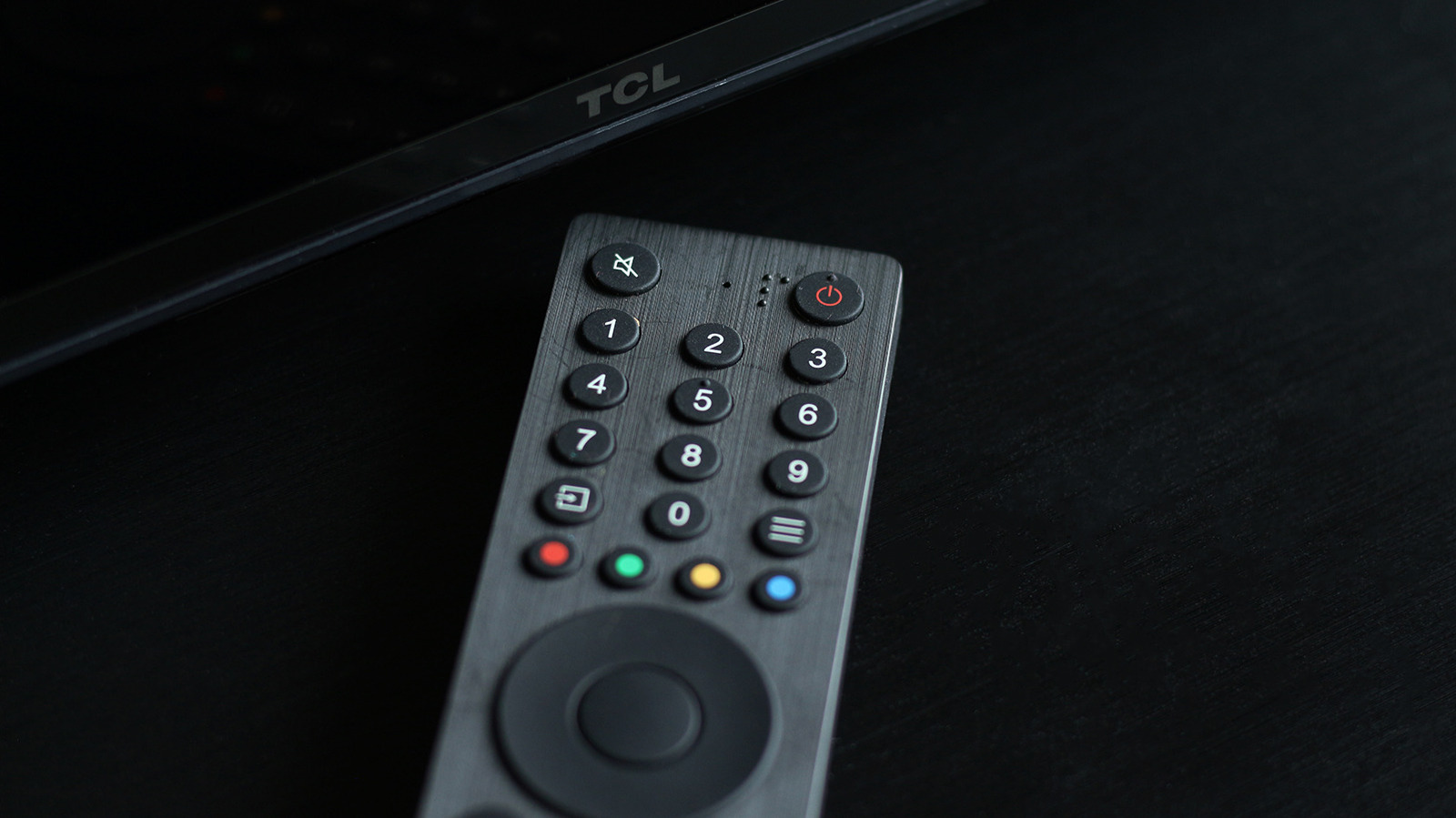
Infrared technology continues to serve as the foundational standard for television remote controls, maintaining its dominance despite the widespread adoption of Bluetooth-enabled alternatives. According to reporting by Engadget, the persistence of infrared is driven by its negligible implementation cost, universal compatibility with existing entertainment equipment, and its indispensable role in initial device pairing and powering on televisions.
The evolution of remote control technology dates back to 1950 with the Zenith Radio Corporation’s wired “Lazy Bones” remote, followed by the 1955 “Flash-Matic,” which utilised visible light beams. Infrared remotes established themselves as the industry standard by the 1980s, a position they have held for more than four decades. These devices operate by emitting rapid pulses of invisible light via an LED, which the television’s receiver decodes to process commands.
Modern televisions frequently ship with Bluetooth-enabled remotes that support advanced features such as voice control and air gestures. However, these devices typically retain an infrared transmitter to manage specific critical functions. Bluetooth connections may remain inactive when a television is in standby mode, rendering them ineffective for waking the device. Infrared serves as the reliable mechanism to power on the television before the Bluetooth link is established.
A practical demonstration on a TCL smart TV highlighted this functional division. The remote utilised an infrared signal exclusively for turning the television on and off. All other commands, including interface navigation and volume adjustments, were transmitted via Bluetooth. When the remote was unpaired from the Bluetooth settings, it defaulted back to using infrared to send signals, confirming its role as a necessary fallback.
While Bluetooth offers the advantage of not requiring a clear line of sight, allowing for greater flexibility in use, infrared remains essential for its compatibility with legacy hardware such as soundbars and older television models. Abandoning a technology that has become synonymous with televisions would disrupt established ecosystems. Consequently, infrared persists not as a primary interface for daily navigation, but as a critical infrastructure component for connectivity and power management.