Wall Street firms and startups deploy AI agents for continuous trading
A shift in Wall Street infrastructure sees financial institutions and individual investors utilising artificial intelligence to automate tasks traditionally performed by human traders, facilitating uninterrupted trading cycles.
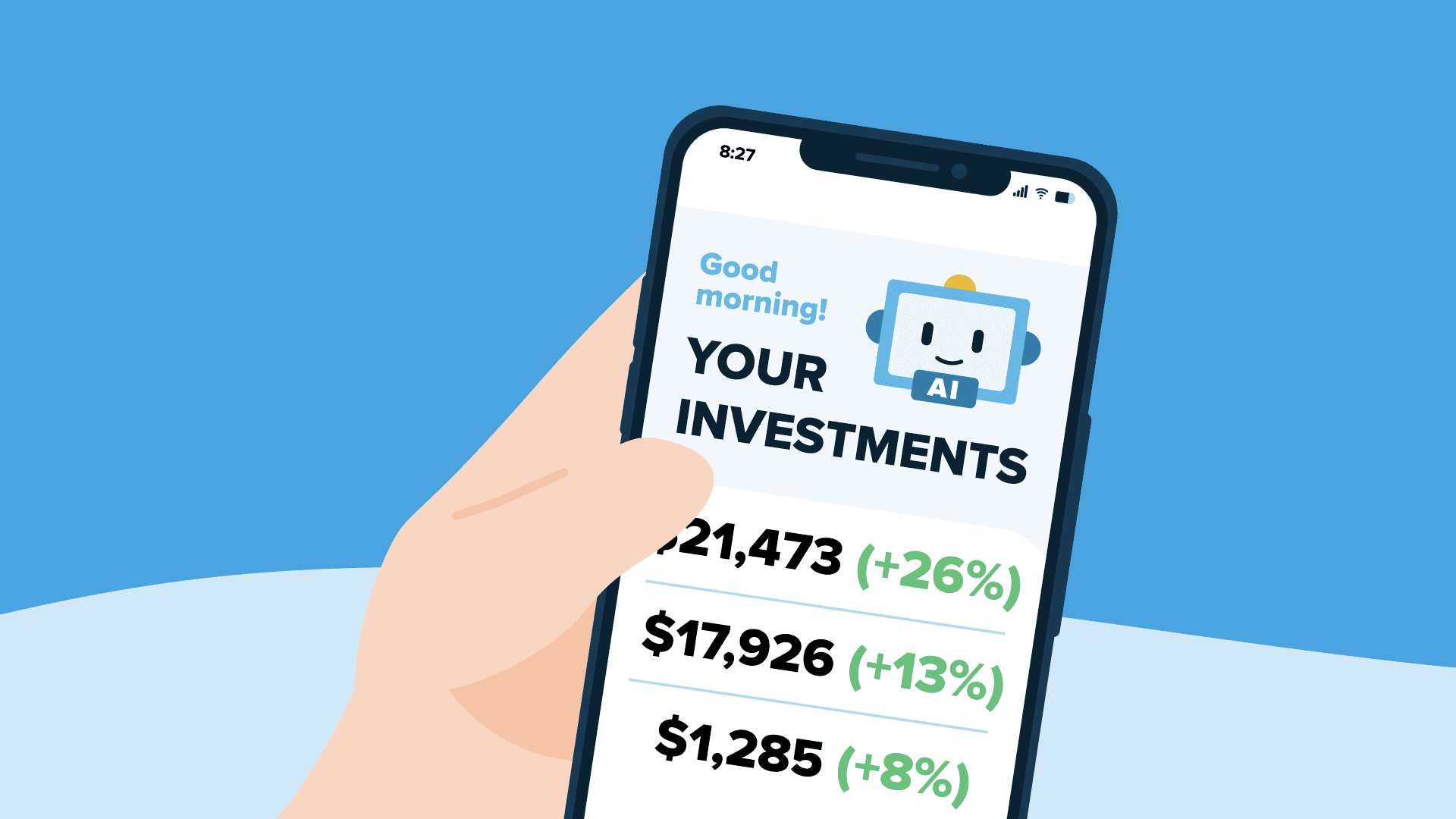
Established brokerages, emerging market startups, and retail investors are increasingly developing artificial intelligence agents to oversee investment portfolios and automate tasks that were previously the domain of human traders. This technological integration is designed to facilitate continuous, 24-hour trading operations, marking a significant departure from traditional human-dependent trading hours.
According to a report by CNBC, the development of these AI agents is being driven by a combination of established financial institutions and new market entrants. The primary function of these tools is to manage investment activities autonomously, allowing for trading operations that do not cease when traditional market hours end.
The trend represents a structural evolution in how capital markets are managed. By delegating portfolio oversight and routine investment tasks to AI, market participants are seeking to enhance efficiency and maintain market presence beyond the limits of human operational capacity.
While the source material highlights the active development of these systems by both institutional and retail actors, it does not provide specific metrics regarding the number of entities currently deploying these agents. Furthermore, there is no available data on the performance outcomes, error rates, or regulatory compliance status of these automated systems at this stage.
The report notes that the term "AI agents" is used broadly to describe these automated tools. Caution is advised in assuming uniform capabilities across all such agents, as the source does not specify the technical specifications or levels of autonomy possessed by the different systems being built by various market participants.