Volvo targets 2027 launch for affordable EV to replace discontinued EX30
Volvo Cars America president Luis Rezende outlines plans for a larger, similarly priced electric vehicle following the abrupt end of the EX30 program in March.
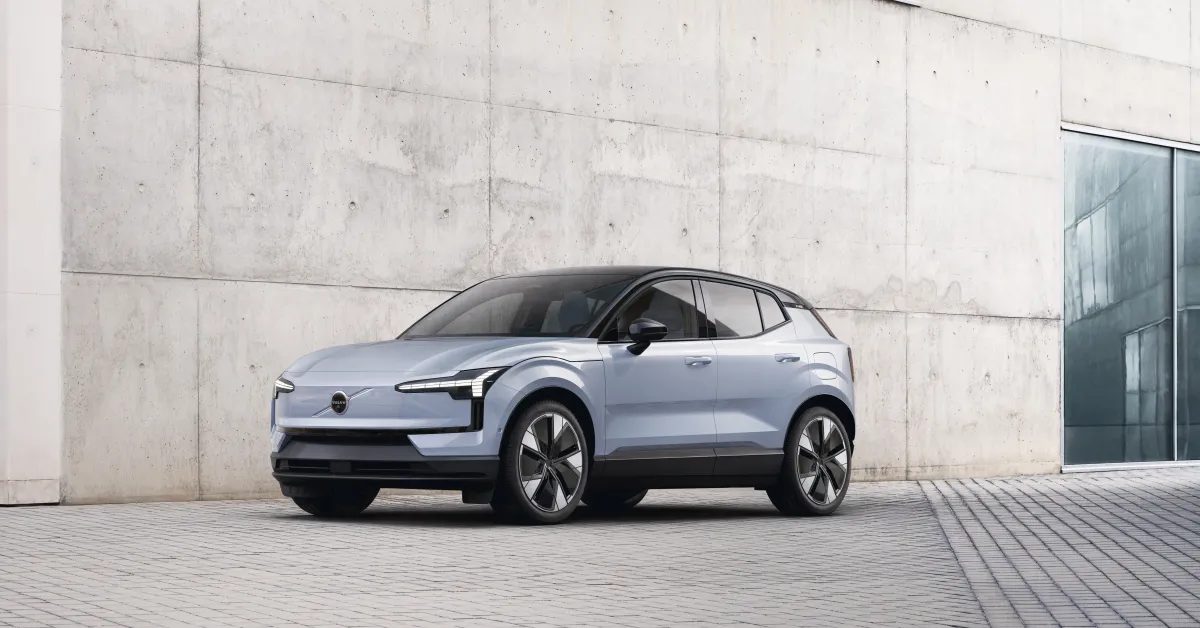
Volvo Cars America president Luis Rezende has confirmed that the Swedish automaker is developing a new electric vehicle intended to replace the discontinued EX30 in the United States market. The new model is expected to be unveiled in 2027, aiming to replicate the affordability of its predecessor while offering increased interior space.
The announcement was made during a media roundtable regarding the upcoming US launch of the EX60. Rezende stated that the new EV would occupy a similar role in the lineup to the EX30, describing it as "fun to drive" and capable of delivering significant value within a larger footprint. While the exact price point remains undisclosed, Rezende indicated the new model would be "very similar" in cost to the EX30’s original target, rather than matching the final US launch price.
The discontinuation of the EX30 in March followed a combination of regulatory and safety challenges. Originally announced in 2023 with a target starting price of $34,950, the vehicle’s US arrival was delayed until 2025 due to new tariffs on vehicles built in China. By the time it launched, the price had risen to $44,900. Further complicating matters, Volvo issued a recall in February 2024 due to battery overheating and fire risks, leading to the program's termination the following month.
Volvo currently relies on the EX60 as its sole electric offering in North America. The compact SUV, built on a different architecture than the EX30, is scheduled to begin customer deliveries in the US this summer. Prices for the EX60 range from $59,795 for the entry-level P6 Plus variant to $68,745 for the P10 AWD Ultra model.
Executives also indicated a strategic shift toward manufacturing a larger, family-oriented SUV at Volvo’s Charleston, South Carolina factory. This upcoming vehicle is expected to utilise a multi-fuel strategy rather than being exclusively electric at launch. The move highlights the broader industry challenge of achieving profitability in the affordable EV segment, a feat largely mastered by Chinese manufacturers through supply chain scale and vertical integration.
