Value investor Michael Burry divests entire GameStop stake citing leverage risks in Ryan Cohen's eBay bid
Burry's exit follows the announcement of a $55.5 billion offer, with shares dropping roughly 10 per cent as the market prices in the deal's financial strain.

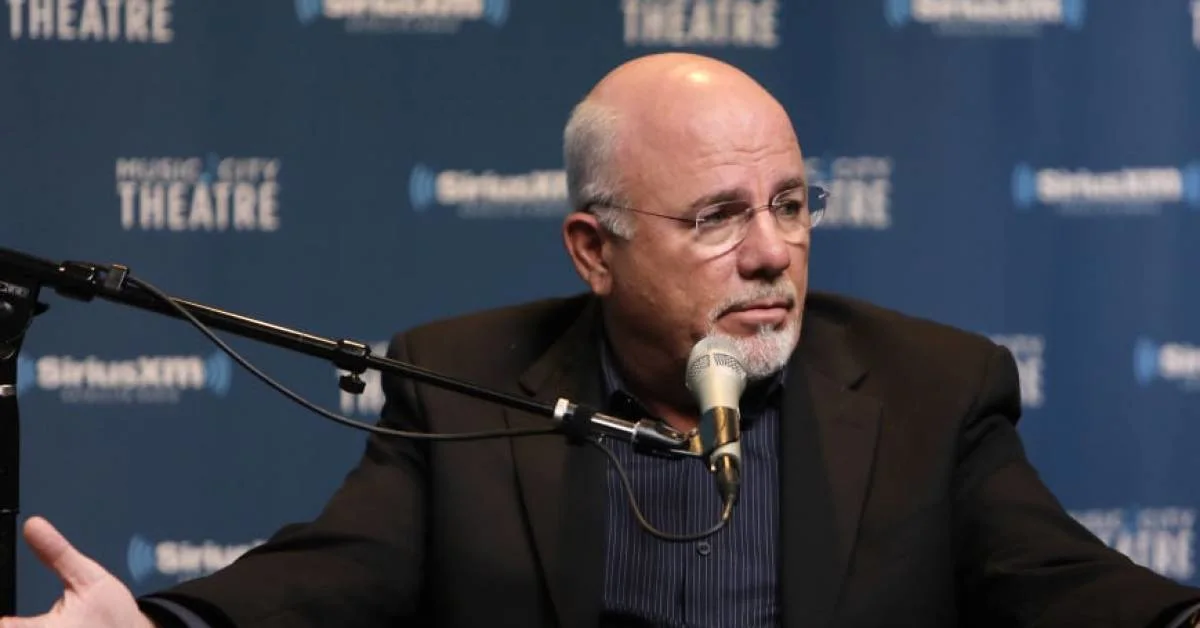
Michael Burry has sold his entire holding in GameStop on Monday night, 4 May, immediately following Ryan Cohen's announcement of a $55.5 billion bid for eBay on Sunday evening. The value investor detailed his reasoning in a Substack post, stating that the proposed transaction's leverage levels were fundamentally incompatible with his "Instant Berkshire" investment thesis.
Burry explained that the deal would push GameStop's debt-to-EBITDA ratio to approximately 7.7 times. This figure significantly exceeds his strict threshold of 5 times and breaches his requirement for interest coverage under 4.0 times. He argued that such high leverage risks the company's long-term competitiveness and innovation, noting that the capital markets approach appears pedestrian rather than creative.
The market reacted swiftly to the news, with GameStop shares falling roughly 10 per cent. This decline marks the stock's largest intraday drop in 10 months. Burry's exit removes the intellectual scaffolding that had previously legitimised Cohen's leadership, shifting the narrative from a disciplined value proposition to a speculative vehicle.
In his post, Burry challenged the strategic logic of the acquisition directly. He wrote that no amount of cost-cutting would make the deal work and suggested that the initial $55.5 billion offer would likely be rejected by eBay's board. He estimates a revised deal could reach $65 billion, which would strain GameStop's finances even further given the company's current market cap of approximately $12 billion.
Burry also outlined a preferred alternative, suggesting GameStop should have pursued Wayfair instead. He cited Wayfair's last-mile delivery infrastructure and cash flow as superior assets that do not carry the same leverage risks. The sale represents the first time Burry has fully sold a position since launching his Substack, marking the end of the version of GameStop he originally believed in.
The divergence between Burry's expectations and the current proposal has left remaining shareholders to decide whether they share his concerns regarding the uncrossable line on leverage. The answer to that question will shape how this story ends, as the most credible institutional voice in the bullish camp has divested his stake.