Utah data centre scaled back amid transparency row
The Stratos plan shrinks to 20,000 acres as residents cite water risks to the Great Salt Lake and rising energy costs.
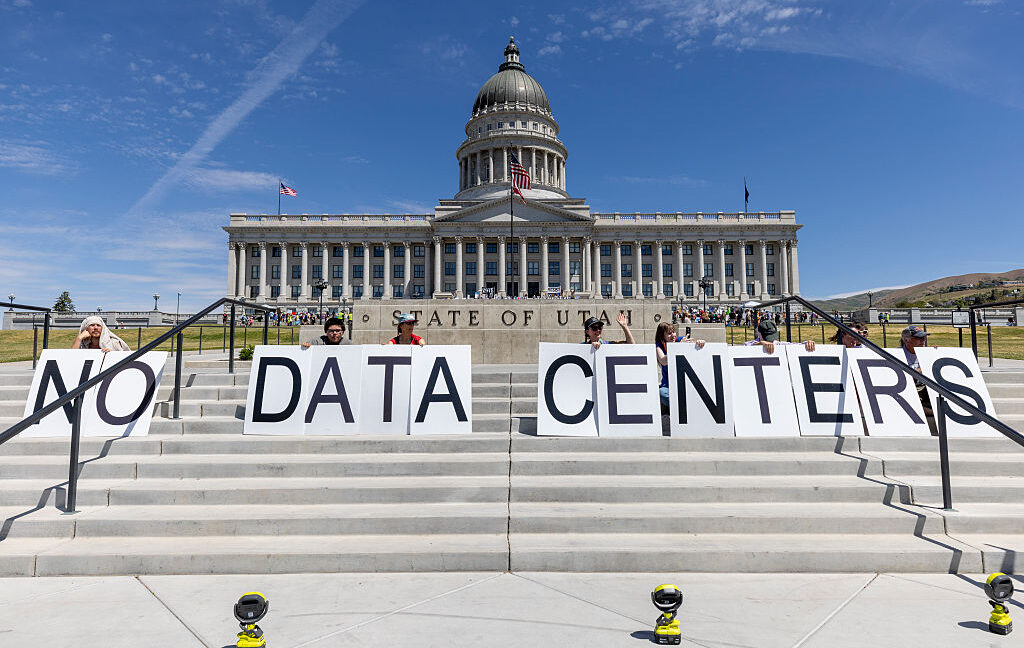
Developer Kevin O’Leary has reduced the scope of a major data centre project in Box Elder County, Utah, by 50 per cent following intense local backlash. The initial plan, which would have covered 40,000 acres, is now scaled back to approximately 20,000 acres, with 10,000 acres remaining undeveloped. Residents opposed the project due to concerns over water usage affecting the Great Salt Lake, rising electricity costs, and environmental impacts. O’Leary admitted to poor transparency and stated he had "no choice" but to compromise after Utah Senate President Stuart Adams requested a 75 per cent reduction. The project still requires further approvals and environmental reviews.
O’Leary, chair of O’Leary Digital, acknowledged that the project suffered from a lack of early engagement with state officials and the public. Speaking to a local ABC affiliate, he admitted, “We really screwed it up,” noting that he and officials had mistakenly assumed the community would be excited about the investment. He stated that he had not expected the intensity of the blowback and claimed that the rapid shift in public sentiment was partly driven by foreign interference, specifically accusing China of funding the nonprofit Alliance for a Better Utah to conduct a smear campaign.
The Alliance for a Better Utah firmly denied these allegations. Communications manager Elizabeth Hutchings stated that the only foreign interest in the project was O’Leary himself, who is from Montreal. She described the accusations as insulting to Utahns and maintained that the opposition was driven by genuine local concerns regarding transparency and community impact. Hutchings agreed with community member Brenna Williams, who called the agreement “excellent performance art” and argued that Box Elder County is too vulnerable for a hyper-scale data centre due to water constraints.
The controversy in Utah reflects a broader national trend of resistance to large-scale data centre development. A recent HeatMap poll indicated that at least 7 in 10 Americans now oppose data centres built near their homes, marking a rapid shift in public opinion. In response to similar concerns, Illinois Governor J.B. Pritzker plans to temporarily halt all tax breaks for data centres in his state until a legal framework for responsible development is drafted. HeatMap Pro reported that at least 20 data centre projects were cancelled in the first quarter of this year due to public backlash, more than double the previous quarter.
Despite the scaled-back plan, O’Leary’s project must still navigate a complex regulatory landscape. The Alliance for a Better Utah noted that the proposal requires further approvals and a full environmental review process. While Utah Senate President Stuart Adams celebrated the compromise as a roadmap for responsible development, some locals remain sceptical. O’Leary has taken over all communications for the project personally, aiming to rebuild trust through what he described as “direct, good-faith engagement,” though he conceded that he should have addressed these issues upfront.