USDA Invests $771 Million to Scale Sterile Fly Production Amid Screwworm Return
The US Department of Agriculture is fast-tracking a $750 million facility in Texas and renovating a site in Mexico to meet the 400 million flies per week required to contain the New World screwworm outbreak.
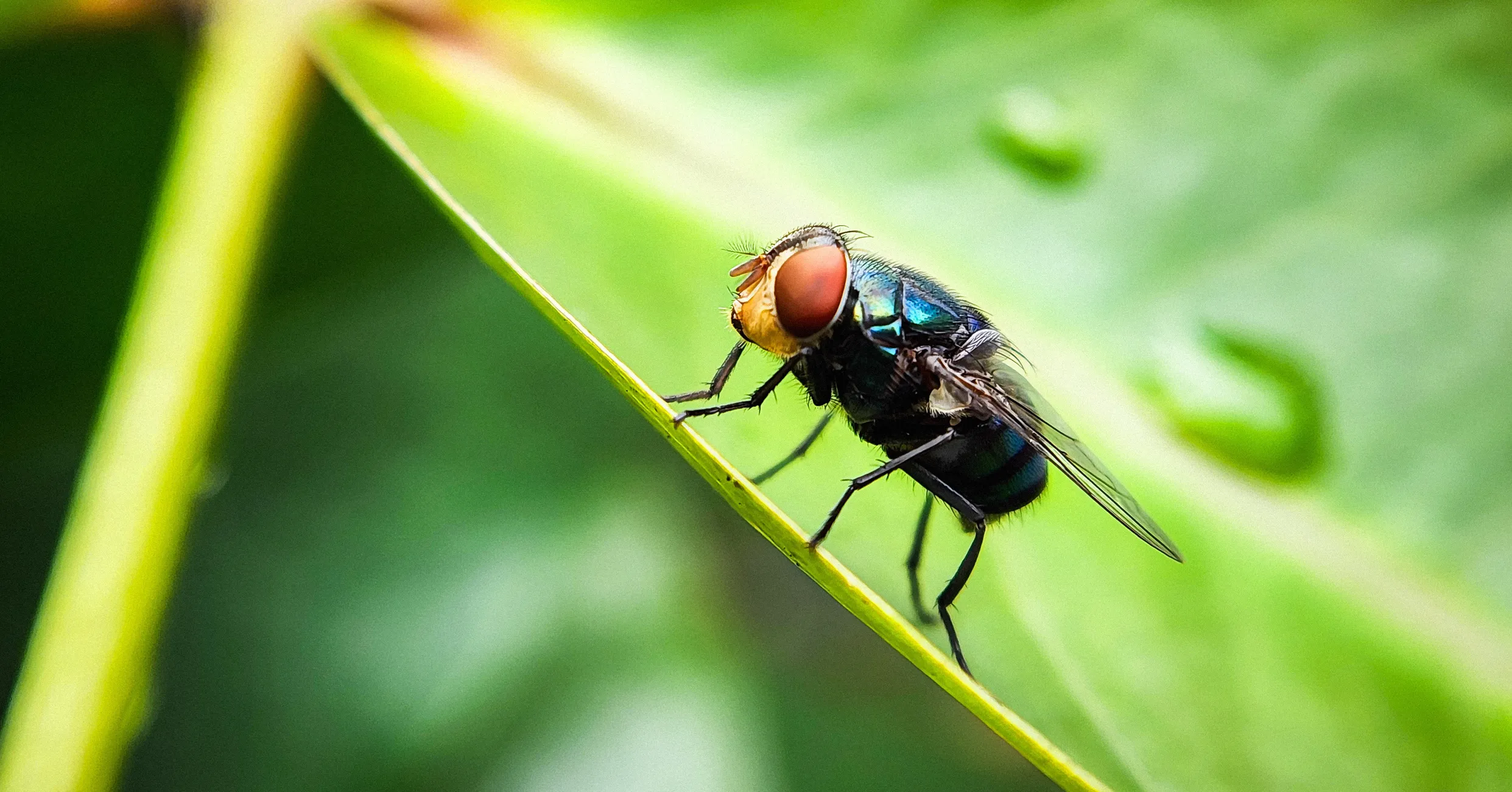
The US Department of Agriculture has confirmed the presence of New World screwworm in a calf in southern Texas, marking the first domestic case since the parasite was eradicated in 1966. In response to the reemergence, officials are deploying the sterile insect technique, releasing millions of sterile male flies to disrupt the breeding cycle of the flesh-eating larvae. The agency has established a targeted release zone within 12 miles of the infected animal, supplementing existing air-drops of four million sterile flies per week in the area.
USDA Secretary Brooke Rollins stated that approximately 400 million sterile flies per week are required to effectively combat the outbreak, whereas current production capacity is limited to 100 million per week from a facility in Panama. To bridge this significant supply gap, the USDA is investing $21 million to renovate and convert an existing fruit fly facility in Metapa, Mexico. This site is expected to produce an additional 60 million to 100 million sterile flies per week by summer 2025.
The agency is also fast-tracking the construction of a $750 million sterile fly facility at Moore Air Base in Edinburg, Texas, near the Mexican border. While this new infrastructure represents a major capital commitment, it will not be operational until November 2027. The delay highlights the immediate logistical challenge facing the USDA, which shifted its strategy in February to disperse 100 million sterile flies per week along the US-Mexico border in anticipation of the pest's northward movement.
The sterile insect technique relies on releasing irradiated male flies that mate with wild females, producing unviable eggs and crashing the local population. Sally DeNotta, an associate professor of veterinary medicine at the University of Florida, described the method as a highly successful biological control mechanism that stops the life cycle without progeny. The technique previously proved effective in eradicating the pest from the United States and, later, from as far south as Panama by 2006.
Although the screwworm does not infest food sources, it poses a threat to livestock and humans. The Centers for Disease Control and Prevention has recorded at least 2,070 human cases in Mexico and Central America since 2023. Experts warn that because a single female can lay hundreds of eggs and travel to new hosts, the current case in Texas is unlikely to be isolated, necessitating rapid expansion of containment efforts.
