USDA confirms five new screwworm cases as livestock sector faces $1.8bn risk
The US Department of Agriculture has reported five new infestations in Texas and New Mexico, raising concerns for the cattle industry while health agencies warn of severe risks for humans with open wounds.
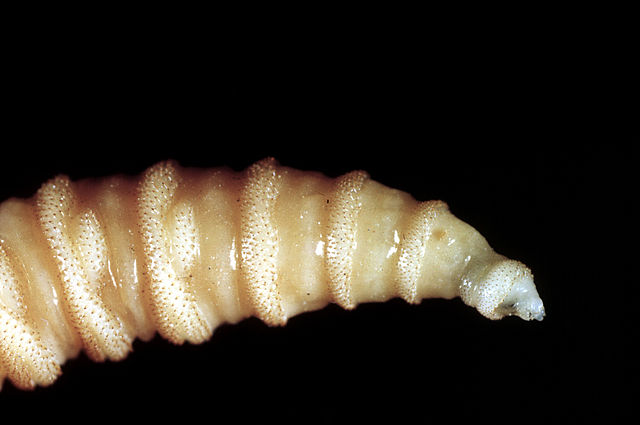
The US Department of Agriculture has confirmed five new cases of screwworm infestations within the United States, marking a significant breach of the containment barriers that have held the parasite at bay for decades. The latest cases include four calves in Texas, with two infections reported in Zavala County and two in La Salle County, alongside one dog in New Mexico. The canine case presents a complex epidemiological picture, as the animal resides in New Mexico but was reported in Texas and may have recently travelled to Mexico, where the flies are actively spreading.
The resurgence of the New World screwworm, or Cochliomyia hominivorax, poses a substantial financial threat to the agricultural sector. The USDA estimates that if the current outbreaks mirror the scale of isolated incidents in the past, they could cost Texas producers approximately $732 million annually. On a broader economic level, the impact on the Texas economy could reach $1.8 billion, underscoring the severity of the threat to the livestock industry which remains the primary target for the voracious larvae.
While the economic fallout for agriculture is immediate and quantifiable, the biological risk to humans, though rare, remains acute. The parasitic flies are attracted to wounds, mucous membranes, and orifices, where females deposit hundreds of eggs that hatch into larvae capable of burrowing into living flesh. Human infections, known as myiasis, can cause rapidly enlarging, painful wounds that progress to deeper tissues, with risks of secondary infection, sepsis, and mortality. In severe cases, larvae can destroy muscle, cartilage, and bone, and even penetrate the skull.
The parasite’s northward movement follows the breach of the Darién Gap containment barrier around 2022, allowing the flies to spread from Central America. Recent case reports from the region highlight the potential severity of human exposure. In Costa Rica, a 71-year-old man required the extraction of 160 larvae from his foot, while a 15-year-old girl in Chicago was treated for a scalp infestation that doctors warned could have led to brain invasion. Mortality rates in Central America have been highest among individuals with underlying health conditions or significant debilitation.
In response to the reemergence, the Centers for Disease Control and Prevention has issued guidance for the public to minimise exposure risks. The agency advises keeping wounds clean and covered, using insect repellent, wearing loose clothing to block access, and avoiding sleeping outside, particularly during the day. As the flies continue to spread, vigilance remains critical for both agricultural producers and healthcare providers monitoring for signs of myiasis.
