US Senate bans itself and staff from prediction markets amid candidate betting scandals
Following revelations that three congressional candidates wagered on their own campaigns, senators have tightened ethical guidelines while major platforms confirm existing prohibitions on political trading
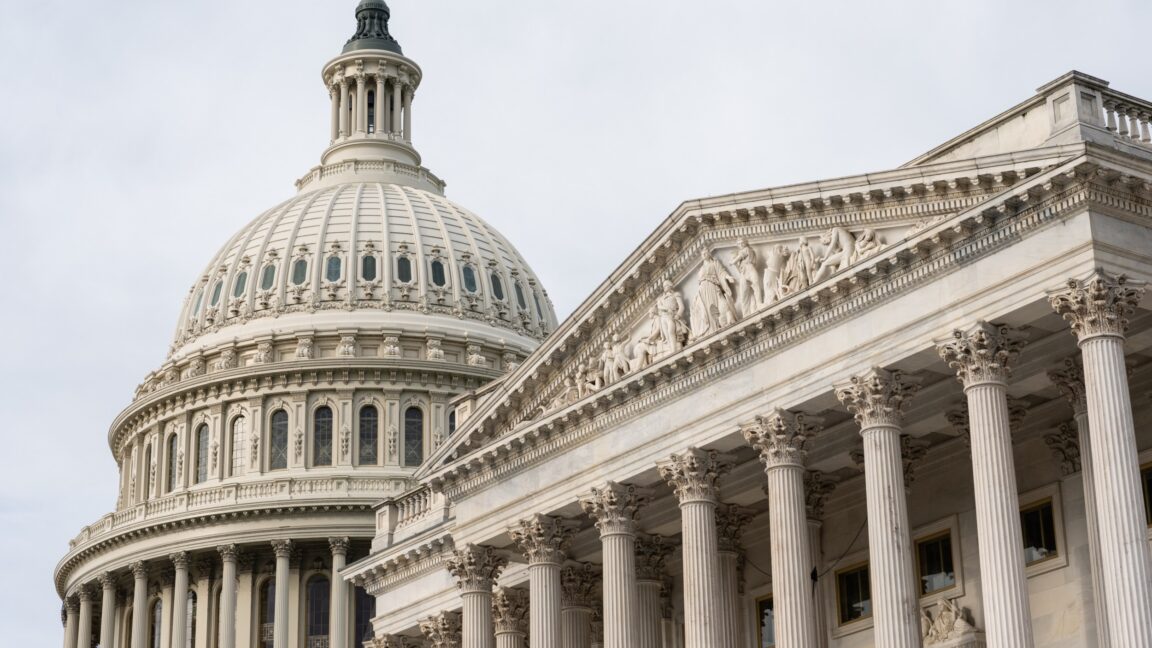
United States senators have voted unanimously to prohibit themselves, Senate officers, and employees from trading on prediction markets. The resolution, which amends existing conflict-of-interest rules, was passed by unanimous consent and does not require approval from the House of Representatives. This legislative action follows recent revelations that three congressional candidates had placed bets on their own election campaigns.
Sen. Bernie Moreno (R-Ohio), who introduced the measure, stated that public officials should not profit from taxpayer-funded positions. He argued that serving in Congress must focus on delivering results for the American people rather than finding new ways to generate personal income through speculative activities. The resolution applies broadly to all bets on prediction markets, not merely those involving events where a senator might possess inside knowledge.
Sen. Alex Padilla (D-Calif.) supported an amendment to the resolution that extends the trading ban to Senate officers and employees. In a statement, Padilla described the rule as a commonsense step to ensure that those in positions of public trust cannot use their roles to line their own pockets. He further noted that while the Senate ethics enforcement process is generally considered less effective than that of the House, this move represents a necessary tightening of standards.
Padilla also indicated he is pushing for separate legislation to address alleged corruption within the Trump administration, citing specific cases involving military operations and political races. He referenced a recent arrest of a US Army soldier accused of insider trading related to prediction-market wagers on the timing of the military's capture of Venezuelan President Nicolás Maduro. Padilla emphasised that the current resolution alone will not address the growing public outrage over the scale of corruption alleged under the current administration.
Major prediction market platforms Kalshi and Polymarket confirmed they already prohibit such trading in their platform rules and support the Senate resolution. Kalshi recently announced enforcement actions against two House candidates and one Senate candidate, resulting in suspensions and fines ranging from approximately $540 to over $6,200. The platform has implemented technological guardrails to block politicians and athletes from trading in specific political and sports markets.
The regulatory landscape remains complex as the US Commodity Futures Trading Commission (CFTC) asserts its exclusive jurisdiction over these markets. The CFTC has recently challenged state regulations in Arizona, Connecticut, and Illinois, with Chairman Michael Selig defending market participants against what he termed overzealous state regulators. Meanwhile, Polymarket is deploying a blockchain system to monitor trading and enforce its rules, while Kalshi continues to utilise its extensive rulebook to impose penalties on violators.