US officials deflect on Ebola evacuations as Americans treated in Europe
As the Bundibugyo strain outbreak in the DRC escalates, questions mount over why patients were routed to Berlin and Prague rather than specialized US facilities.
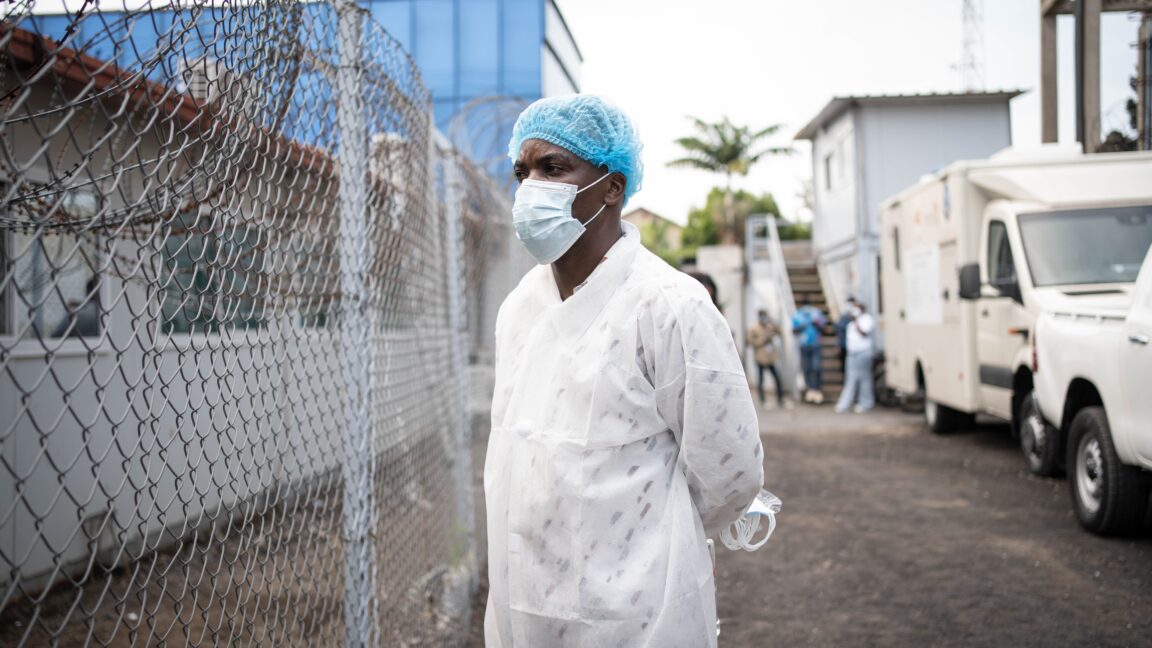
The Trump administration is facing scrutiny over its handling of American citizens exposed to the Ebola virus in the Democratic Republic of the Congo, following reports that officials resisted allowing infected and exposed individuals to return to the United States. According to The Washington Post, five people close to the response indicated that the administration delayed the evacuation of Peter Stafford, a 39-year-old surgeon who tested positive for the virus, over the weekend.
Stafford, who developed symptoms over the weekend and tested positive late Sunday, is currently receiving treatment in Berlin. His wife, Rebekah Stafford, also a doctor, along with their four children, have been flown to Germany. Another American doctor, Patrick LaRochelle, who was exposed to the virus but remains asymptomatic, is being transferred to Prague for monitoring. LaRochelle’s wife and children were flown to the US after the Centers for Disease Control and Prevention determined they had not been exposed.
White House spokesperson Kush Desai rejected the allegations of refusal, calling them "absolutely false" and launching a personal attack on The Washington Post. Desai stated that the administration’s priority was the health and safety of citizens and praised the quality of care at the German hospital. However, CDC incident response manager Satish Pillai faced intense questioning during a press briefing, repeatedly dodging direct inquiries about why the US refused entry and why European nations with limited Ebola expertise were selected.
Pillai attributed the decisions to ground conditions and the need for rapid mobilisation amidst rapidly unfolding circumstances. He declined to explain why Germany and the Czech Republic were chosen over US facilities, which possess specialized centres capable of providing high-quality care for Ebola patients. The current outbreak, caused by the uncommon Bundibugyo virus strain, has been declared a public health emergency of international concern by the World Health Organization, with 528 suspected cases and 132 deaths recorded as of Wednesday.
Concurrently, the US has implemented strict travel restrictions for arrivals from the DRC, Uganda, and South Sudan. Americans from these regions face health screenings, while non-US passport holders with recent travel history are barred from entry. Africa CDC Director General Jean Kaseya criticised the measures, arguing that border closures create fear, damage economies, and divert movement toward informal routes, thereby increasing public health risks rather than reducing them.
