US lawmakers propose ban on Chinese-linked vehicles crossing northern border
The Protecting America from Chinese Cars Act aims to tighten national security and economic protections by closing loopholes that allow vehicles from Chinese-owned entities to cross from Canada or Mexico.
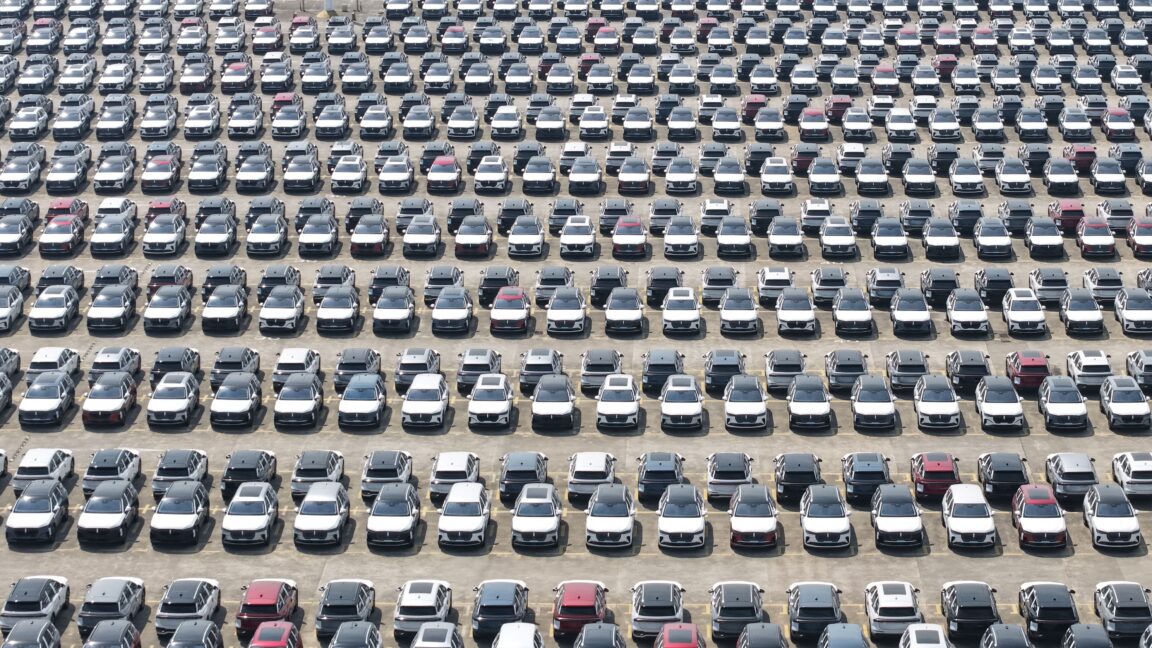
US Senators Elissa Slotkin and Representative Haley Stevens, both from Michigan, have introduced the Protecting America from Chinese Cars Act, legislation designed to prohibit connected vehicles designed or built in China, Russia, or firms with over 15 per cent Chinese ownership from entering the United States. The bill specifically targets vehicles crossing the border from Canada or Mexico, including for day trips, citing national security and economic concerns regarding data collection and surveillance.
The legislation seeks to close existing loopholes in the regulatory landscape. While former President Biden imposed a 100 per cent import tariff on Chinese-made cars and directed the Department of Commerce to draft rules banning connected cars linked to the Chinese government, those measures did not prevent all Chinese-linked vehicles from entering the country. For instance, Volvo Cars recently received permission to import its EX60 under existing Commerce Department rules, despite being part-owned by Zhejiang Geely Holding, illustrating the current regulatory gaps the new bill aims to address.
Under the proposed act, Customs and Border Protection would be required to implement the rules and generate a list of prohibited vehicles within 90 days. The bill includes a mechanism for Original Equipment Manufacturers (OEMs) to apply for specific authorisations, subject to strict conditions, transparency, and congressional oversight. This framework mirrors previous bipartisan efforts, such as the Connected Vehicle Security Act of 2026, which Slotkin co-sponsored with Senator Bernie Moreno.
Representative Stevens described the vehicles as surveillance packages on wheels, capable of geolocating drivers and mapping sensitive infrastructure, including military sites. Senator Slotkin echoed these concerns, stating that the bill is an economic security and national security issue. She highlighted that fully finished Chinese vehicles could drive up to sensitive locations, such as Selfridge Air Force Base, and transmit data back to Beijing.
The proposal follows a global trend of tightening restrictions on Chinese-linked connected cars. In 2021, China barred Teslas from military bases but rescinded the ban after Tesla complied with local data security laws requiring user data handover to the Chinese government. More recently, both the UK and Poland have banned Chinese-linked connected cars from parking near sensitive military installations, reflecting growing international scrutiny over automotive data security.
