US Housing Agency Withholds Records on DOGE AI Policy Use
Legal experts and privacy advocates argue that shielding AI prompts from public scrutiny undermines transparency, as current US law does not mandate disclosure of AI usage in policymaking.
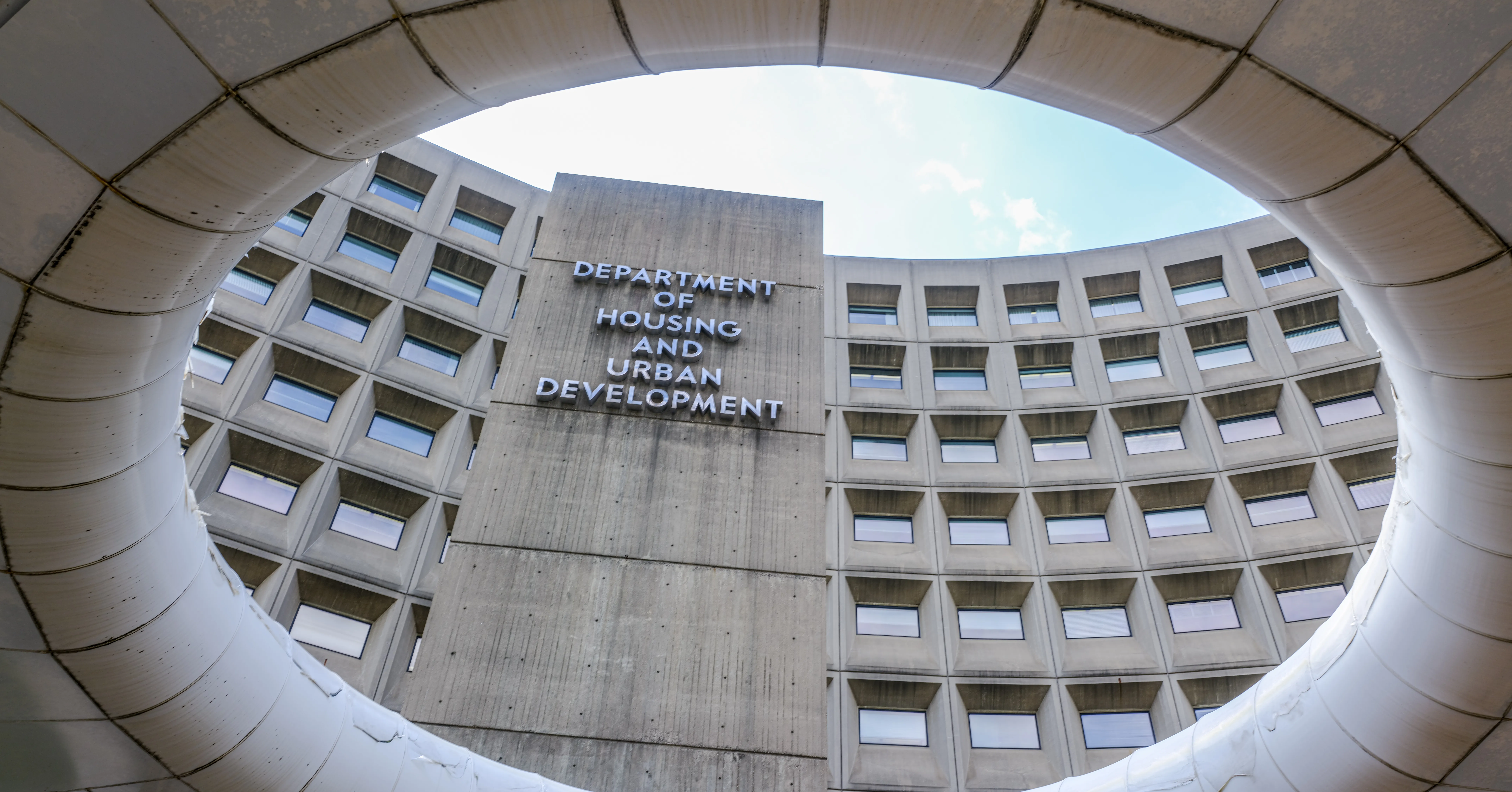
The US Department of Housing and Urban Development (HUD) has withheld documents regarding the Department of Government Efficiency’s (DOGE) use of artificial intelligence in housing policy, citing a non-existent 'AI privilege' and deliberative process exemptions. A Freedom of Information Act request by Democracy Forward revealed that HUD staff, including Christopher Sweet and Scott Langmack, utilised AI tools to identify regulations for potential rescission. Legal experts and privacy advocates argue that withholding AI prompts and inputs undermines transparency, as current US law does not mandate disclosure of AI usage in policymaking.
More than 100 documents requested by Democracy Forward were denied release, with HUD citing Exemption 5, which covers deliberative process privilege, to withhold the majority of the files. Among the reasons provided for non-disclosure was a claimed 'AI privilege', a legal concept that does not exist under US law. HUD also invoked the presidential communications privilege for certain documents, raising questions about the origin of the prompts and the extent of White House involvement in the regulatory analysis.
Specific withheld materials suggest that DOGE staff were actively developing and using AI to conduct regulatory analysis. One document belonging to Scott Langmack, titled “GPT defined Econ Analysis approach 11 10 25.docx”, was exempted as "deliberative AI input". Another file, “RegulatoryAnalysisPrompt.pdf”, indicates the team was creating prompts for regulatory analysis. A third document, “DFR Template_Workflow Prompt Directory (3).pdf”, was withheld citing both "deliberation of regulatory changes" and "presidential communications privilege".
Legal experts have criticised HUD’s reliance on these exemptions. John Davisson of the Electronic Privacy Information Center noted that AI systems are not entitled to 'candor', a key justification for deliberative process privilege, which is designed to protect human debate. Davisson stated that there is no AI exemption under the Freedom of Information Act, and interactions between humans and AI chatbots should not qualify for such protections.
Tori Noble of the Electronic Frontier Foundation argued that the lack of transparency is particularly concerning given that AI tools can hallucinate or exhibit bias. She stated that access to prompts is the best way to determine how officials are using these tools and to assess potential harm. Dan McGrath of Democracy Forward added that shielding AI input raises serious questions about the impact of artificial intelligence on government policy and public accountability.
Mark Fagan, a lecturer at the Harvard Kennedy School, suggested that while some AI use might be part of an embedded research process similar to reviewing external sources, it is good protocol to indicate AI involvement to build public confidence. However, he acknowledged that from a technical perspective, much of the iterative prompting process could be considered deliberative. Currently, no US laws require the government to disclose if AI has been used in the creation of rules or regulations.
The individuals and entities involved did not respond to requests for comment. Christopher Sweet, who joined the DOGE team at HUD while a student, graduated with a degree in economics. Scott Langmack, formerly of the property technology startup Kukun, is now the executive director of deregulation AI at the Office of Management and Budget.