US heat pump sales defy tax credit expiry, outpacing gas furnaces
Shipments rose gradually from winter into spring, suggesting the technology has reached a tipping point where efficiency and running costs drive adoption without government incentives.
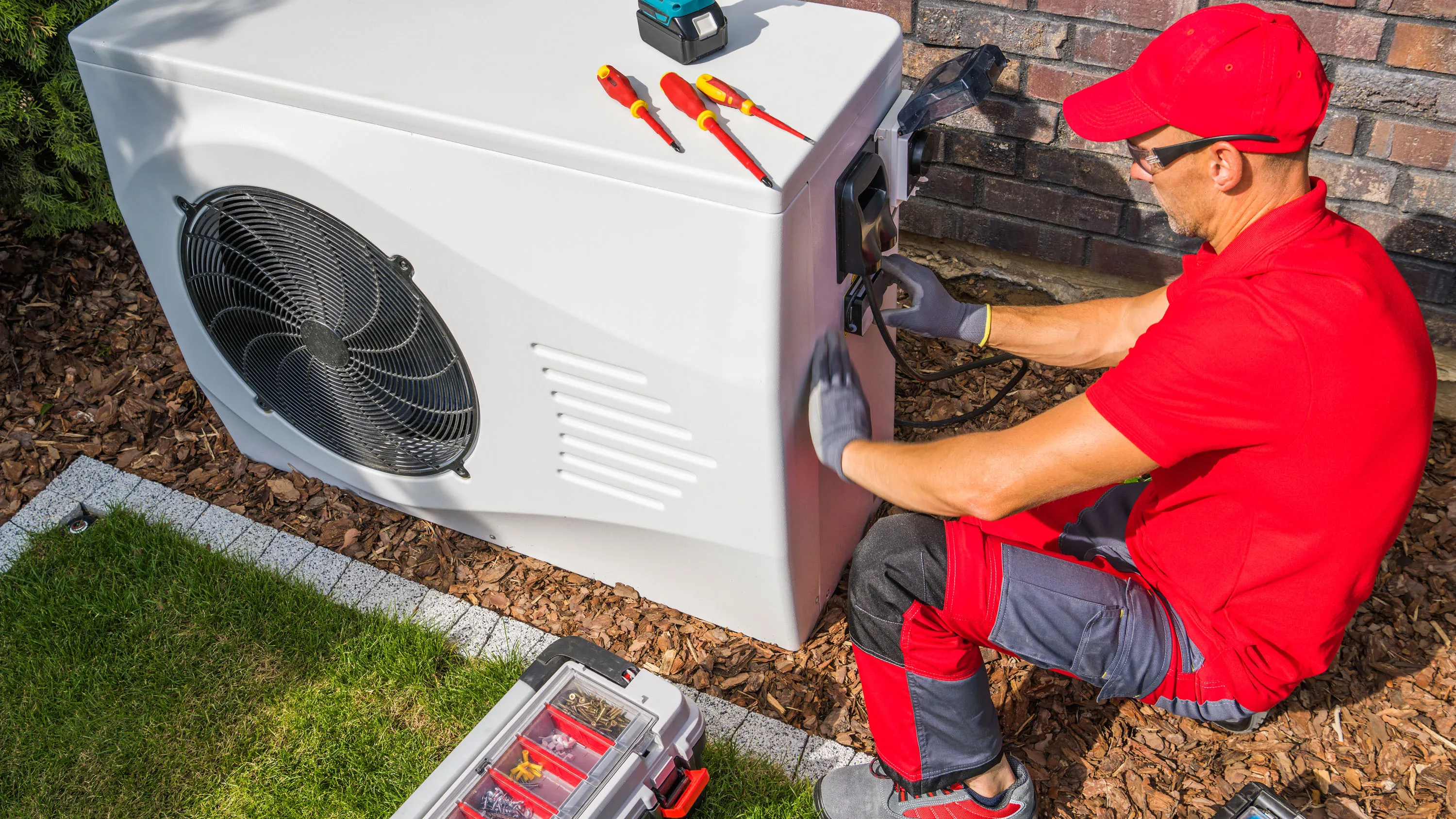
Heat pump sales in the United States have continued to rise in early 2026, outpacing natural gas furnaces by 32% in the first quarter. This growth occurred despite the expiration of key federal tax credits for heat pump installations at the end of 2025, defying expectations that the removal of financial incentives would reduce demand.
Data from the Air Conditioning, Heating, and Refrigeration Institute indicates that shipments were flat from December 2025 to January 2026 before rising gradually into the spring. The trade group, which represents approximately 90% of the US market, notes that this seasonal increase is stronger than in previous years, suggesting the market is not relying on subsidies to sustain momentum.
Lucas Davis, an energy economist and professor at the University of California, Berkeley, analysed the data and concluded that the US heat pump market appears strong enough to sustain growth without government subsidies. Davis suggested that the case for installing heat pumps is sufficient based on their operational benefits, rather than the financial incentives previously offered.
The trend contrasts sharply with the electric vehicle market, where sales spiked and then declined sharply after EV tax credits ended in September 2025. In contrast, heat pumps have outsold gas furnaces in the US for the last four years. Between 2023 and 2025, US households were eligible for up to $2,000 in tax credits for installing heat pumps under the 2022 Inflation Reduction Act, but the Trump administration slashed these credits effective 1 January 2026.
Heat pumps use electricity to move heat via a refrigerant loop, offering high efficiency and lower running costs compared to gas, oil, or other electric heating systems. While higher upfront purchase and installation costs have historically been a barrier to adoption, the technology’s ability to decarbonise buildings and reduce operating expenses appears to be driving continued uptake across the country.