US court dismisses Elon Musk’s OpenAI lawsuit on procedural grounds
A unanimous advisory verdict bars the case on statute of limitations, though Musk plans to appeal to the Ninth Circuit Court of Appeals.
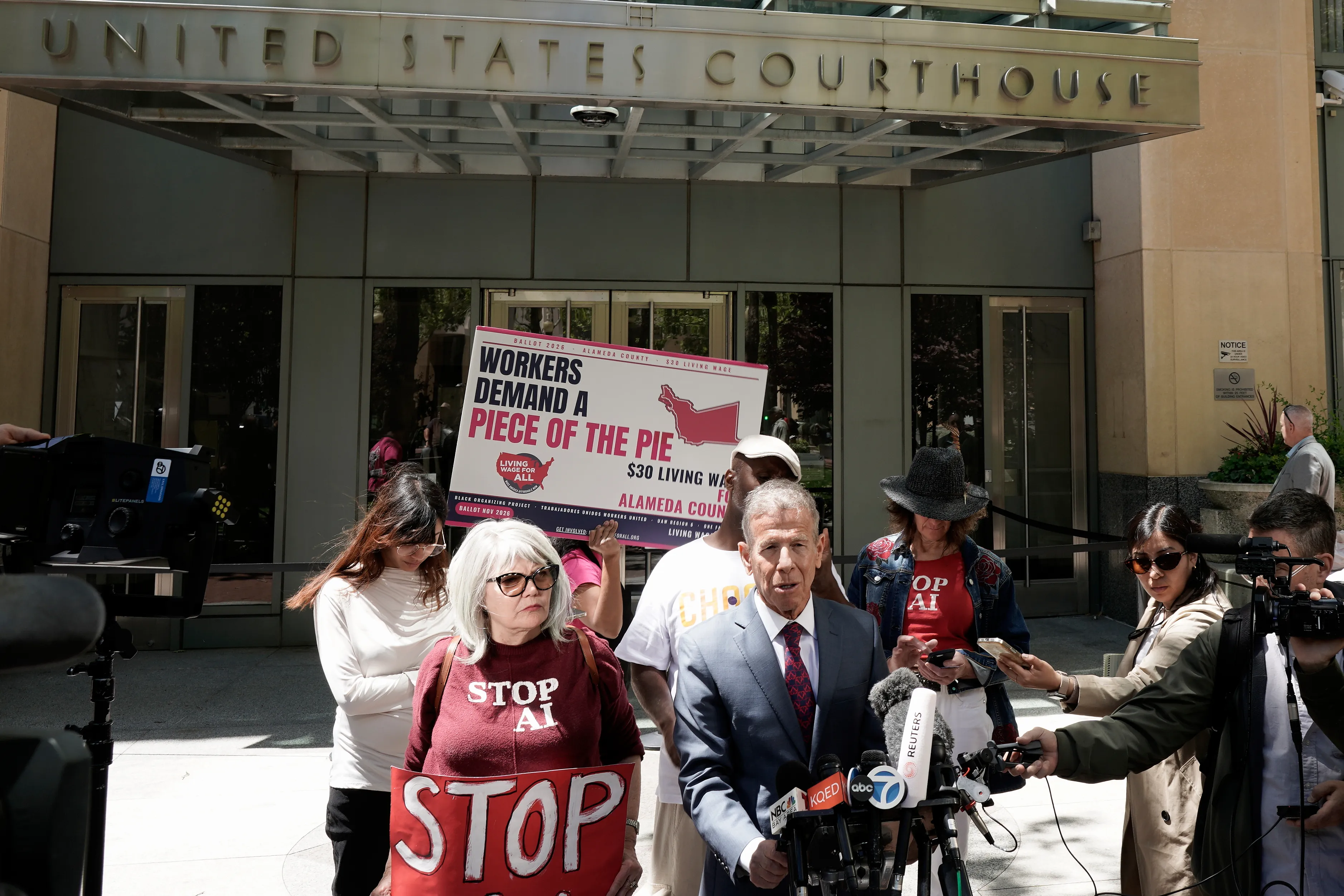
A US jury has delivered a unanimous advisory verdict dismissing Elon Musk’s lawsuit against OpenAI, ruling that the claims are barred by the statute of limitations. US District Judge Yvonne Gonzalez Rogers accepted the verdict, ending the case on procedural grounds without addressing the substantive merits of Musk’s allegations regarding breach of charitable trust and unjust enrichment.
Musk, who co-founded OpenAI in 2015 as a nonprofit organisation with a mission to develop artificial intelligence for the benefit of humanity, sued in 2024. He alleged that CEO Sam Altman and president Greg Brockman broke promises to keep the company non-profitable, creating a for-profit subsidiary that he claimed unjustly enriched the founders. Musk had donated $38 million to the organisation in its early days based on these assurances.
The legal dispute centred on when Musk had reason to suspect misconduct. The statute of limitations for breach of charitable trust is three years, and for unjust enrichment, it is two years. OpenAI’s legal team argued that Musk had grounds to sue as early as 2017, when a for-profit subsidiary was first proposed, or in 2019 and 2020 when financial structures and Microsoft partnerships were established.
During the trial, Musk testified to three phases of belief: initial enthusiastic support, a loss of confidence in the leadership, and finally the belief that the founders were looting the nonprofit. He maintained that he only realised the company had effectively become for-profit in 2022 or 2023, following a $10 billion investment from Microsoft and a subsequent $20 billion valuation.
However, the jury found that Musk had reason to suspect he was being misled before 2021, meaning the legal deadlines had expired before he filed his suit in 2024. The jury did not rule on whether Musk was actually misled, only on the timing of his knowledge. Musk announced on X that he intends to appeal the decision to the Ninth Circuit Court of Appeals.
