US biotech firms race to develop measles treatments as cases hit 35-year high
With US measles cases surpassing 2024 totals by July 2026, researchers at Invivyd, Vanderbilt University, and the La Jolla Institute for Immunology are accelerating development of specific countermeasures, though manufacturing hurdles and political headwinds remain.
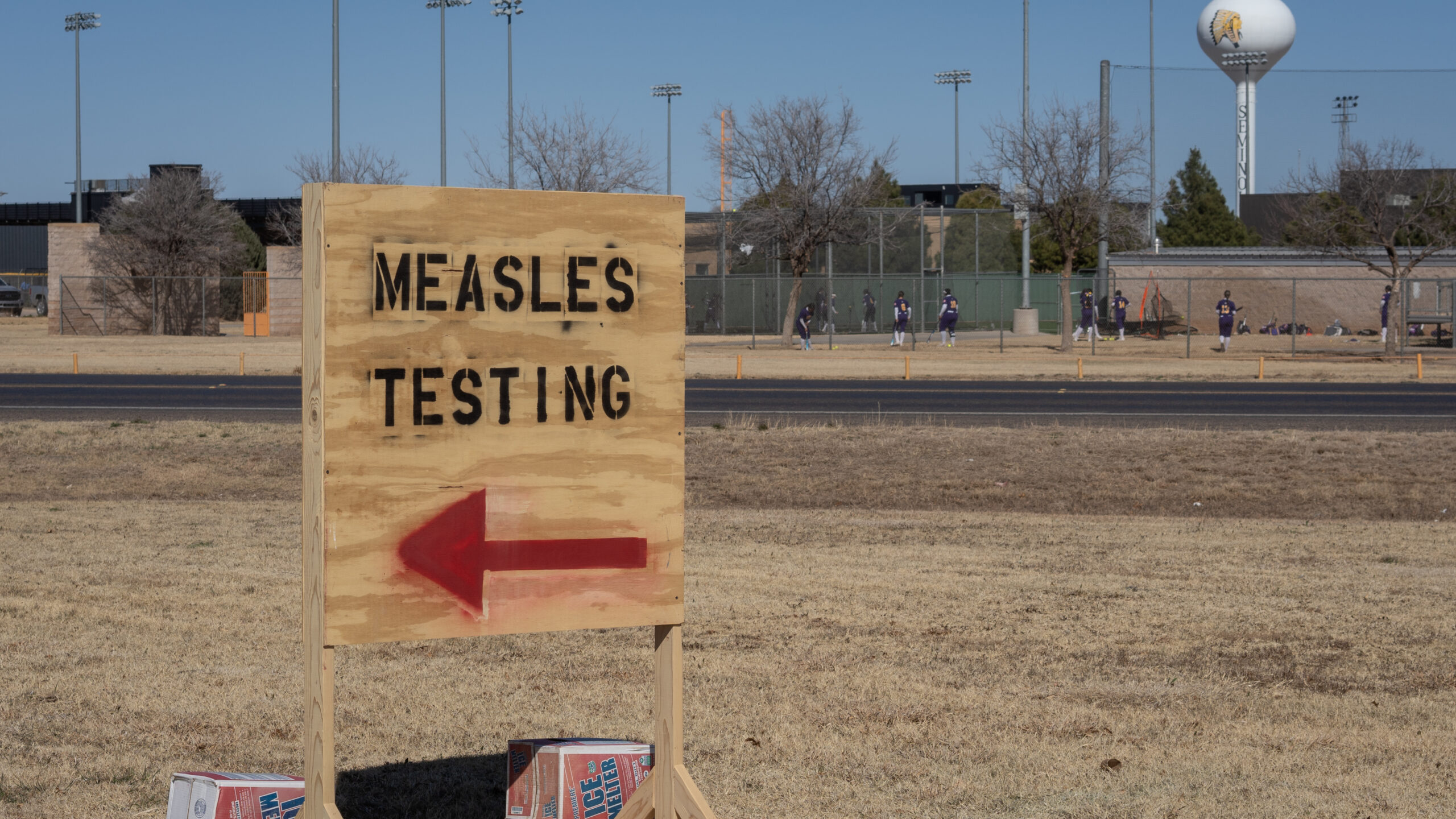
Measles cases in the United States have surged to a 35-year high, with infections already exceeding the total recorded for all of 2024 by July 2026. The resurgence, driven by large outbreaks in South Carolina and Utah and declining vaccination rates, has exposed a critical gap in specific medical countermeasures. While current standard care remains supportive, involving vitamin A supplementation and hydration, a handful of biotechnology companies and academic groups are now working to develop targeted treatments for infected individuals and vulnerable populations.
Invivyd, a Connecticut-based biotech firm, is advancing a monoclonal antibody therapy designed to mimic natural immune responses. Michael Mina, the company’s chief medical officer, noted that while the therapy has not yet been tested in humans, the firm is compiling data for the Food and Drug Administration to approve clinical trials. The company, which previously developed a monoclonal antibody for COVID-19, has received inquiries from healthcare providers regarding the potential for short-term protection during local outbreaks.
At the La Jolla Institute for Immunology, president and CEO Erica Ollmann Saphire’s team published a study in May demonstrating that human antibodies could reduce viral load by 500-fold in rodents. Saphire highlighted that while the scientific opportunity is significant, manufacturing monoclonal antibodies at scale is a costly and complex process. She argued that developing these tools remains cheaper than managing widespread outbreaks or treating fatal complications such as encephalitis in children.
Vanderbilt University researchers, led by immunologist James Crowe, have partnered with Saravir Biopharma to develop a long-acting antibody shot. Crowe’s team, which previously contributed to the rapid development of the Evusheld COVID-19 treatment, aims to use a combination of two potent antibodies to prevent viral mutation. Crowe emphasised the urgency of the work, predicting hundreds of thousands of cases and deaths if vaccination rates continue to decline, and stressed the need for funding to complete human trials.
Other approaches include oral antivirals, with researchers at Georgia State University identifying a drug that lowered viral load and ensured survival in animal models. However, significant challenges persist regarding clinical trial funding, manufacturing costs, and potential uptake. With Robert F. Kennedy Jr. leading the Department of Health and Human Services and casting doubt on established medical treatments, public resistance to new therapies remains a substantial hurdle for widespread adoption.