Trump imposes new tariffs on 60 trading partners including EU, China and UK
The latest round of duties marks a significant escalation in trade policy, coinciding with high-level diplomatic talks in China and rising geopolitical tensions in the Middle East.
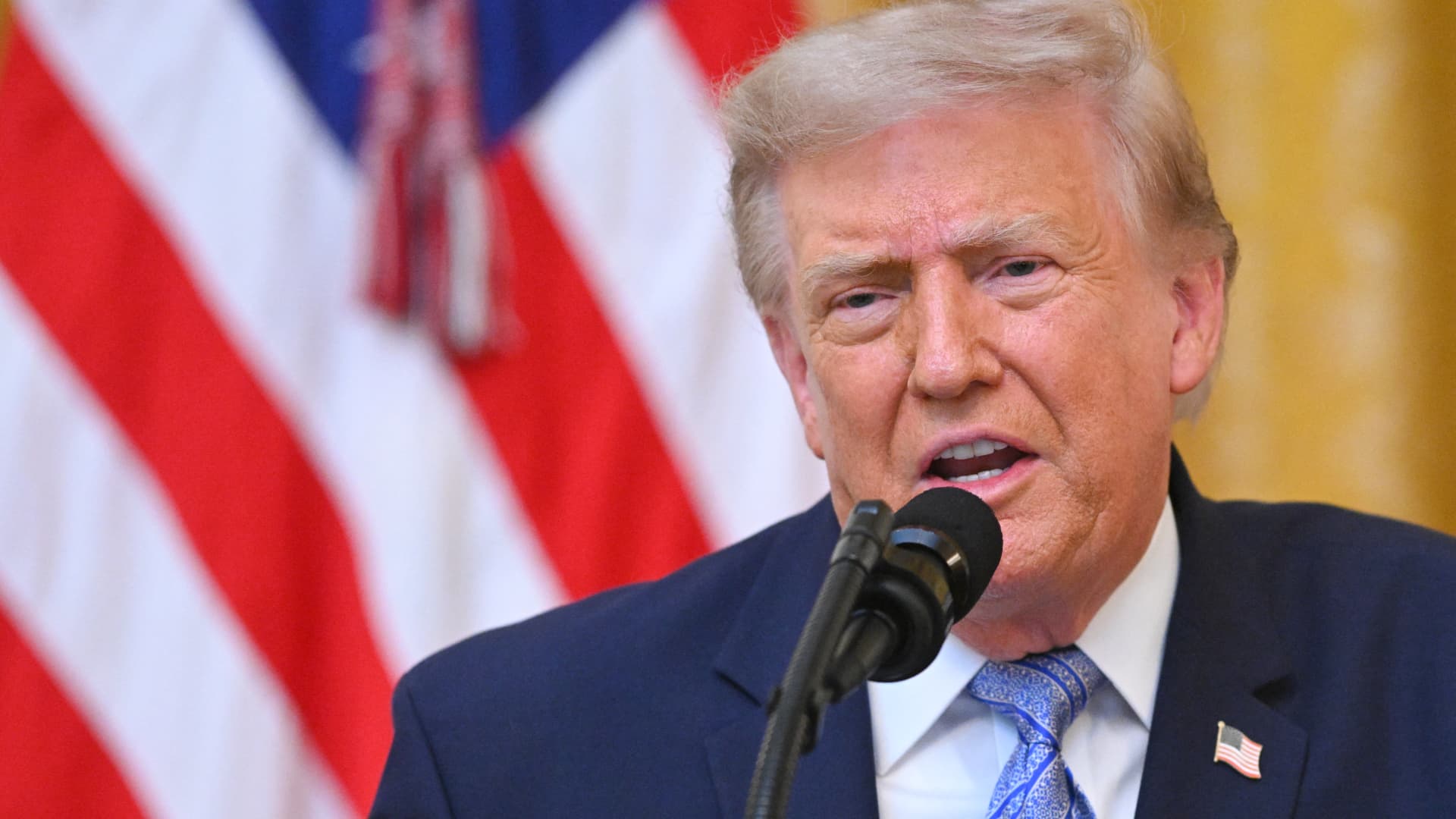
President Donald Trump announced a fresh round of tariffs on Friday, targeting 60 trading partners in a move that significantly expands the scope of United States trade policy. The announcement, reported by CNBC, confirms that the measures explicitly include the European Union, China, and the United Kingdom among the affected entities.
The timing of the announcement follows a summit in Beijing between President Trump and Chinese leadership. The diplomatic gathering, which marked the first visit by an American president to China since 2017, featured a delegation of prominent US business leaders including Elon Musk, Tim Cook, and Jensen Huang. Discussions at the summit covered a broad agenda encompassing trade relations, artificial intelligence cooperation, and regional security concerns, specifically the Strait of Hormuz.
While the headline coverage suggests this tariff blitz represents a departure from previous iterations, the specific mechanisms, legal authorities, or percentage rates defining the new duties were not detailed in the initial report. The source material indicates that the scope covers 60 distinct partners, yet it does not quantify the precise economic impact or the implementation timeline for these measures.
The announcement arrives against a backdrop of heightened geopolitical friction, including tensions involving Iran and the Strait of Hormuz. Concurrently, the technology sector has experienced recent volatility, with Nvidia shares rising more than 2% following chip sale approvals, while Cisco has announced restructuring plans involving job cuts. These market movements occur in parallel with the trade policy shifts but are not explicitly linked to the tariff announcement in the available data.
The inclusion of the United Kingdom and the European Union alongside China signals a broad-based approach to trade enforcement. As details regarding the specific duties and their application emerge, market participants will be monitoring how these measures intersect with the ongoing diplomatic engagements in Asia and the broader geopolitical landscape.