Trump administration pivots to strict AI oversight as David Sacks exits role
The White House has reversed its pro-industry stance on artificial intelligence, instituting pre-market reviews for commercial models. The policy shift follows the departure of David Sacks and is driven by national security concerns, European regulatory pressure, and geopolitical threats to US tech infrastructure.
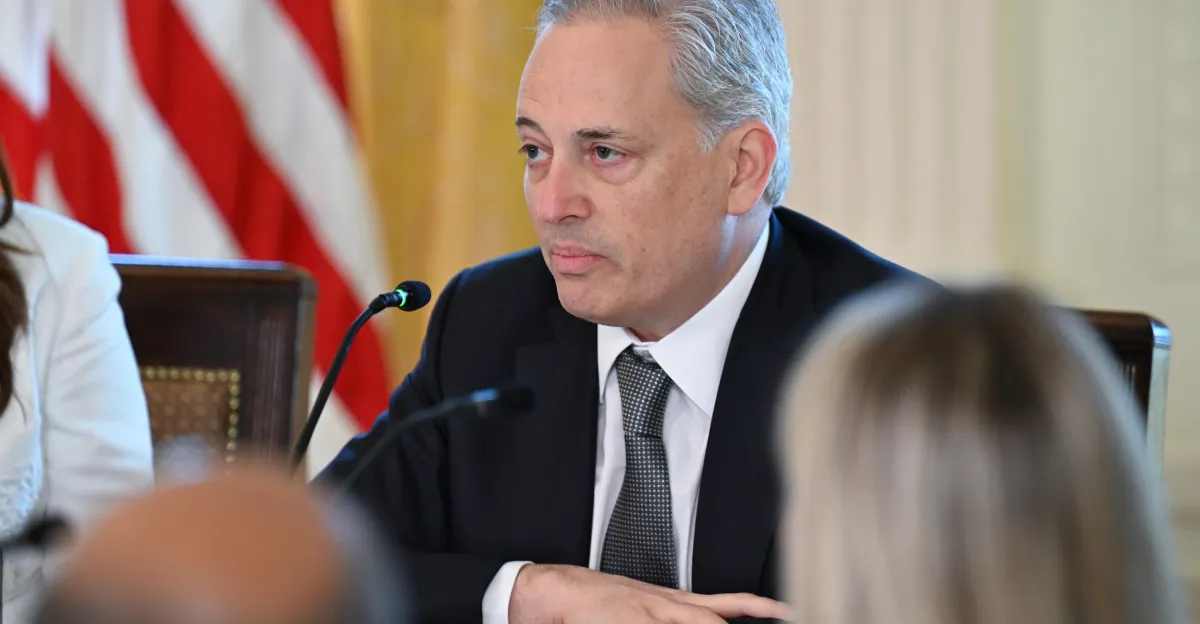
The Trump administration has executed a sharp policy reversal regarding artificial intelligence, moving from a deregulatory approach to implementing strict federal oversight. Concurrent with this shift, David Sacks, the former AI and crypto czar, has been removed from his oversight role after accusations that he undermined the administration and alienated key political allies.
The new regulatory framework designates the Center for AI Standards and Innovation (CAISI), operated by the National Institute of Standards and Technology, to conduct pre-deployment testing on commercial frontier AI models before they are released. Agreements have already been struck between CAISI and major technology firms, including xAI, Microsoft, and Google DeepMind, to facilitate this vetting process.
This pivot was driven by three primary factors, the most significant being national security concerns following the leak of Anthropic's Mythos model. The model demonstrated the ability to identify cybersecurity vulnerabilities, spooking the national security apparatus regarding the potential for adversaries to use American AI tools to attack public and private sectors.
Leadership of the national security response has now passed to Treasury Secretary Scott Bessent, Commerce Secretary Howard Lutnick, and Chief of Staff Susie Wiles. These officials are overriding previous opposition from the Pentagon to certain companies, prioritising security implications over political considerations.
External pressures also accelerated the change in strategy. The European Union is debating a revision to its AI Act, a move that could inadvertently benefit Chinese tech development while hindering American companies. Additionally, the administration faces direct geopolitical threats to US tech infrastructure from Iran, which has claimed responsibility for damaging Oracle and AWS data centres in the Middle East.
David Sacks' tenure as a special government employee exceeded the intended 130-day limit, during which he actively advocated for deregulation and attempted to sue states enforcing AI laws. His tactics alienated Republican and MAGA allies and failed to pressure red states into dropping pending legislation, contributing to his removal and the administration's broader reorientation of policy.
