Trump administration halts approvals for 165 onshore wind projects on private land
Developers face stalled negotiations and withheld communications as the administration escalates its campaign against renewable energy infrastructure
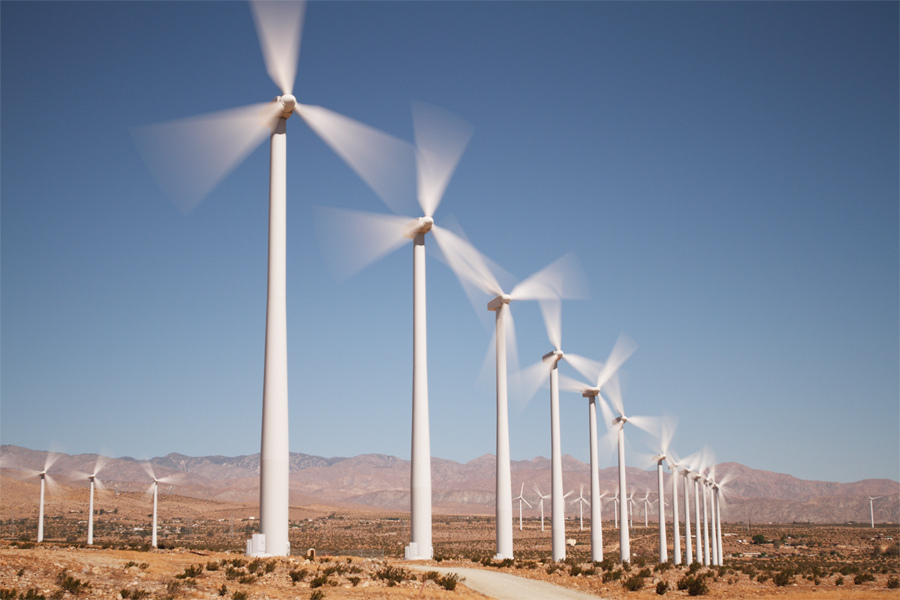
The Trump administration has effectively brought onshore wind development to a standstill in the United States, halting approvals for approximately 165 projects located on private land. Citing national security concerns, the Department of Defense has ceased processing applications and cancelled meetings since August 2025, creating significant uncertainty for developers across the sector. This action represents a marked escalation in the administration's broader campaign against renewable energy, extending its efforts from federal and offshore sites to include private property.
The scale of the disruption is substantial, with the stalled developments capable of generating 30 gigawatts of power. The affected portfolio includes 35 projects that had completed negotiations and were awaiting final sign-off, as well as 30 that had received verbal approval but were waiting for written confirmation. Additionally, about 50 projects are currently in the process of negotiations, while another 50 were previously considered low-risk and likely to bypass rigorous oversight.
Under normal circumstances, wind farms require routine approval from the Department of Defense to ensure they do not interfere with radar systems. This process typically involves a risk assessment and, if necessary, a payment by the developer to update the army's radar filter system. Assessments usually take only a few days to complete, with many projects deemed not to pose a risk due to their distance from military facilities and flight paths. However, the current indefinite halt has disrupted these standard procedures, leaving developers without expected communications or the opportunity to reschedule discussions.
Letters sent to developers in early April indicated that the agency was reviewing its processes for evaluating energy projects' impact on national security. This administrative pause comes as President Donald Trump has publicly expressed strong opposition to wind energy, describing it as the worst form of energy and stating his goal is to prevent any windmills from being built. The administration's stance aligns with a history of attempting to block renewable energy projects, with some previous actions thwarted in federal courts.
Industry groups, including the American Clean Power Association, argue that preventing private landowners from pursuing economic activity is inconsistent with conservative values. Jason Grumet, chief executive of the association, described the move as unprecedented, noting the difficulty in reconciling the administration's stance with the principle of allowing property owners to generate value from their land. The situation has been further complicated by parallel actions, such as the refunding of offshore wind leases in exchange for fossil fuel investments, including a $1 billion deal with TotalEnergies in March 2026.
Despite the administration's efforts, legal challenges to similar blocking actions have frequently succeeded in federal courts. Kit Kennedy, managing director for power at the NRDC, characterised the current approach as reaching for ever more extreme methods to achieve the administration's objectives. The Department of Defense did not respond to a request for comment regarding the halt in processing applications.
