Toyota data reveals high plug-in hybrid charging rates, challenging sceptical narratives
Analysis of anonymised data from over 6,000 vehicles indicates that plug-in hybrid electric vehicle (PHEV) drivers utilise their electric capabilities far more regularly than commonly assumed.
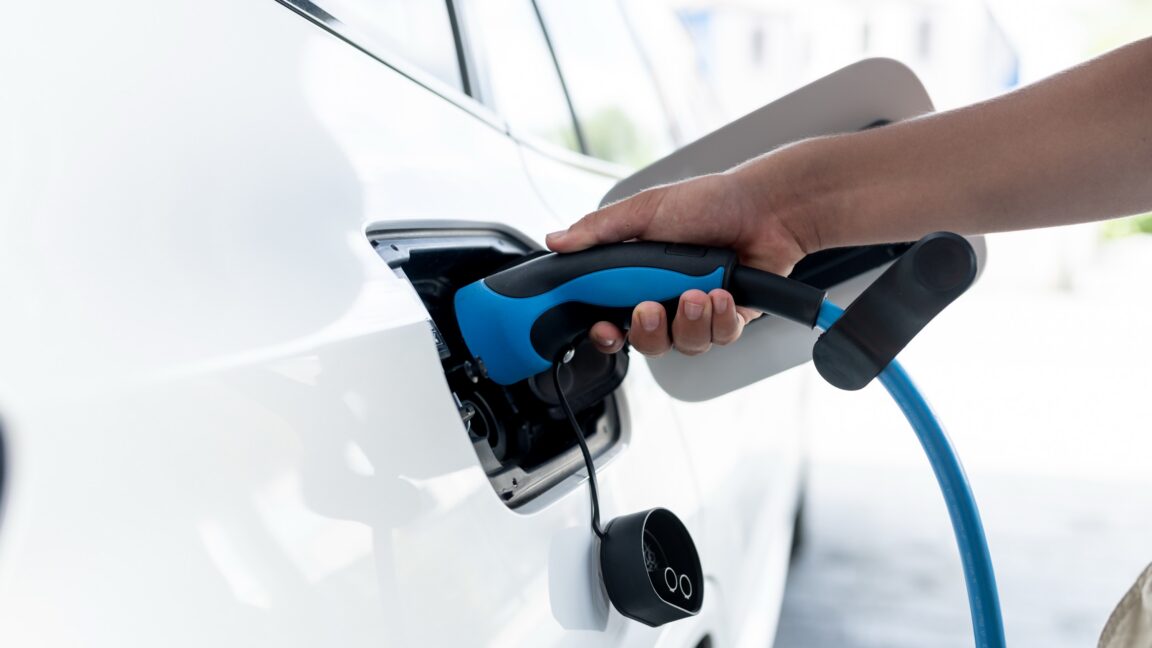
Research from Toyota Research Institute North America has released anonymised data from over 6,000 plug-in hybrid electric vehicle (PHEV) owners, challenging the prevailing perception that drivers rarely charge their vehicles. The analysis, covering RAV4 Prime and Lexus NX 450h+ models from model years 2021–2024, reveals that RAV4 Prime drivers plug in on seven out of ten driving days, while Lexus NX 450h+ owners plug in between eight and nine times out of ten. Only 9 percent of Toyota PHEV drivers and 4 percent of Lexus PHEV drivers reported rarely plugging in.
This marks the first time Toyota has publicly provided specific numbers regarding the frequency of PHEV charging, having previously declined to share such data with journalists. The findings are consistent with charging habits reported by other manufacturers: BMW states more than half of its PHEV owners charge at least two to four times a week; Kia reports 93 percent of its PHEV owners charge, mostly at home; and Hyundai claims 99 percent of Tucson PHEV drivers charge, with half charging once or more per day.
Plug-in hybrids were designed to offer the benefits of electric driving for daily commutes while retaining a combustion engine for longer journeys, but only if the battery is charged. A prevailing theory suggests that many PHEV buyers are attracted by generous incentives but fail to plug in regularly, potentially resulting in lower efficiency than parallel hybrids. Skeptics argue that while some manufacturers provide charging data, many others do not, leaving a gap in understanding overall PHEV usage patterns.
The data is limited to two specific models and may not be representative of all PHEV models or brands. The study relies on anonymised data from Toyota and Lexus owners, which may not reflect the behaviour of drivers in different regions or with different vehicle types. The term "rarely" is defined by the study but may vary in interpretation among drivers.
Despite these limitations, the release of this data from one of the most prolific PHEV sellers adds weight to the argument that consumers are utilising the electric capabilities of these vehicles. The findings suggest that the narrative of widespread non-usage is not universally accurate, though the lack of data from other major OEMs continues to obscure the full picture of the market.
