Top Gun at 40: How Hollywood’s Aerial Spectacle Became the US Navy’s Best Recruitment Tool
As the film marks its 40th anniversary, its legacy is defined by record-breaking box office returns, a successful 2022 sequel, and a complex history involving military liaison negotiations and operational casualties.
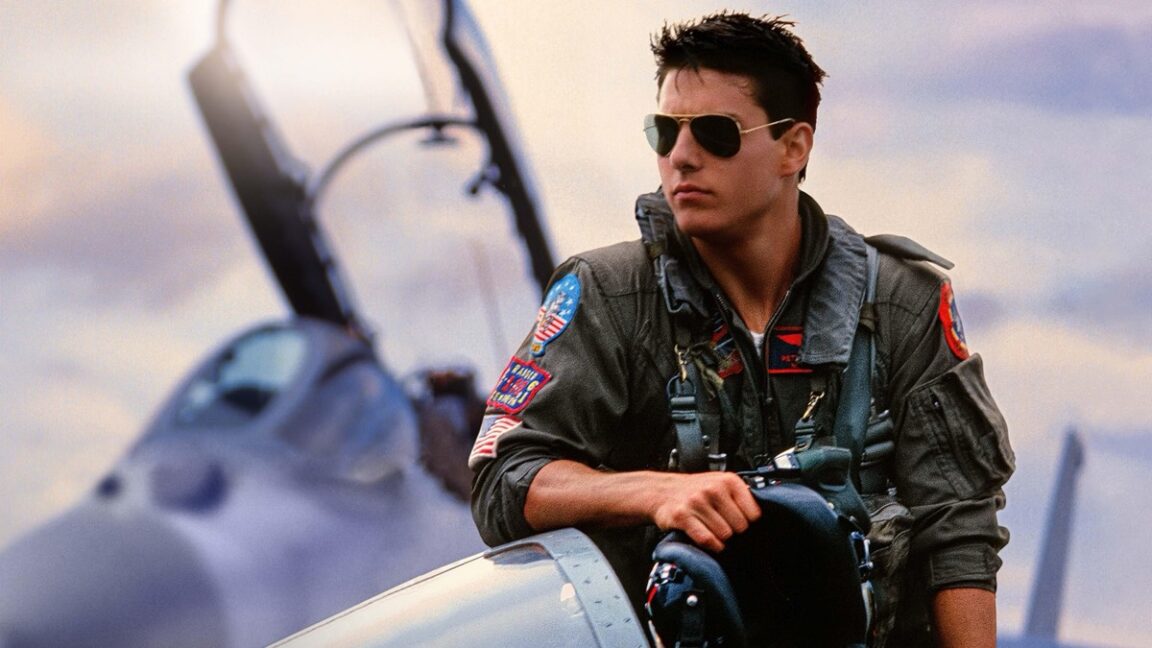
The 1986 release of Top Gun, directed by Tony Scott, marks its 40th anniversary in 2026, cementing its status as a cultural and commercial phenomenon. The film grossed $358 million globally, making it the highest-grossing movie of its release year. Its success spawned a critically acclaimed 2022 sequel, Top Gun: Maverick, and established a lasting narrative that continues to influence public perception of naval aviation. Retrospective analysis highlights the film’s enduring appeal, driven primarily by its stunning aerial footage and its effectiveness as a recruitment tool for the US Navy.
The production was inspired by a 1983 California magazine article detailing the lives of fighter pilots at Naval Air Station Miramar in San Diego. Producers Jerry Bruckheimer and Don Simpson hired Jim Cash and Jack Epps Jr. to write the screenplay, with Epps attending declassified classes and flying aboard an F-14. Scott, then a relative newcomer, was selected for the role partly due to his experience shooting a Saab commercial featuring a Saab 37 Viggen fighter jet, which demonstrated his capability to handle complex aerial cinematography.
The film’s visual legacy is anchored in its practical flight sequences, shot largely from a Learjet and using Super-8 film to accommodate cockpit lenses. The US Navy supplied aircraft, carriers, and crews, capturing normal operations without staging. Stunt pilots, including future NASA astronaut Scott Altman, performed key maneuvers. However, the production faced tragedy when aerobatic pilot Art Scholl, who performed significant in-flight camera work, died after crashing his biplane near Carlsbad, California. Neither his body nor the plane was recovered, and Scott dedicated the film to Scholl.
Despite its technical achievements, the film has faced retrospective critique for its dated portrayals of gender dynamics and military protocol. The character of Charlie was originally written as an aerobics instructor but was changed to a civilian contractor and astrophysicist at the Navy’s request to avoid depicting fraternization. The character was inspired by Christine “Legs” Fox, a civilian specialist in tactical development at Miramar. While the change addressed military liaison concerns, the film’s depiction of her relationship with the protagonist remains viewed as unprofessional by modern standards.
The film’s influence on military culture extends beyond the screen. The US Department of Defense Office of Inspector General cited Top Gun’s influence as a contributing factor to the 1991 Tailhook scandal, particularly regarding the film’s portrayal of aggressive social dynamics. The famous bar scene, where officers serenade Charlie, was considered problematic even 35 years ago. Nevertheless, the film’s ability to glamorise naval aviation ensures it remains one of the most effective recruitment tools the US Navy has ever had.
