Thinking Machines Lab CEO Mira Murati breaks 18-month silence to preview AI interaction models
In her first major media appearance since late 2024, Thinking Machines Lab chief executive Mira Murati outlined new continuous-processing interfaces and called for stronger industry governance, while downplaying recent executive departures and rejecting deterministic narratives on AI’s societal impact.
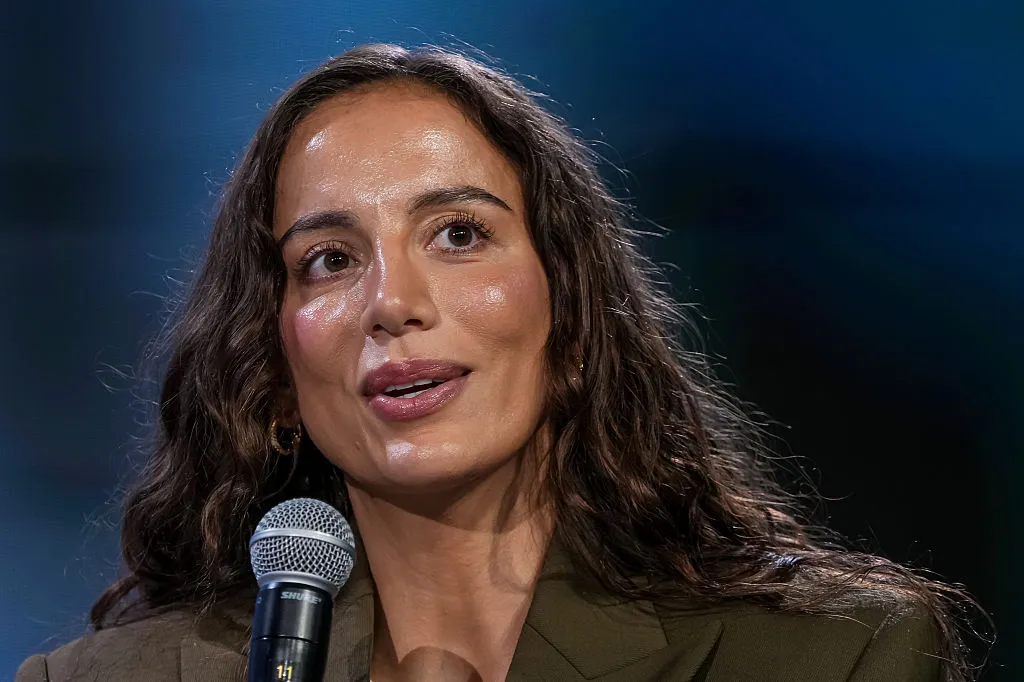
Mira Murati, chief executive of Thinking Machines Lab, has emerged from an approximately 18-month period of low public visibility to give her first major media interview to Bloomberg in San Francisco. The engagement marks a strategic pivot for the company, moving from a "heads down" operational approach to active market engagement, a shift driven by intensifying competition from rivals such as OpenAI, Anthropic, and xAI.
During the interview, Murati introduced the lab’s "interaction models," a new class of AI interfaces designed to process continuous audio, text, and video streams in 200-millisecond intervals. She described the technology as capable of capturing the "texture of human communication," including interruptions and mid-thought corrections, to replicate real-time conversation. Murati characterised the models as being in their early stages and declined to confirm a specific release date.
The disclosure highlights the lab’s focus on latency and conversational nuance amidst a landscape where staying silent yields diminishing returns. While Thinking Machines Lab has spent the past year and a half raising capital and shipping its Tinker API for fine-tuning open-source models, competitors have maintained a more omnipresent profile, prompting Murati to step into the spotlight to remind the market of the company’s existence.
Murati also reflected on her interim leadership at OpenAI during the November 2023 leadership crisis, known internally as "the blip." She stated that the company would have "imploded" without her involvement during that five-day period but acknowledged she would have pushed harder for greater transparency and a structured transition plan. When pressed on her trust in former boss Sam Altman, she sidestepped the question to focus on the lack of structural checks in the industry.
Emphasising the need for governance, Murati argued that the concentration of consequential decisions in too few hands poses a risk across the AI sector. She suggested that too much attention has been paid to the virtue of individual leaders rather than the implementation of robust governance frameworks to mitigate the risks associated with concentrated decision-making.
Addressing recent high-profile researcher departures from Thinking Machines Lab, Murati downplayed the instability by attributing it to the inherent volatility of building a frontier AI laboratory from the ground up. She noted that such departures compress years of normal organisational churn into a shorter timeframe and suggested that while compensation is a factor, it is not the sole driver of talent movement.
Murati rejected deterministic narratives regarding AI’s impact on employment and safety, arguing that neither a dystopian nor utopian outcome is predetermined. She emphasised that human oversight remains critical to determining future outcomes, warning that if humans remove themselves from the decision-making process too soon, the trajectory of AI development will likely yield less favourable results.
