The Verge categorises user feedback on new homepage redesign into three distinct tiers
In a statement published on 6 May, the publication clarified how it is triaging submissions ranging from critical bug reports to feature ideas deferred due to operational constraints.
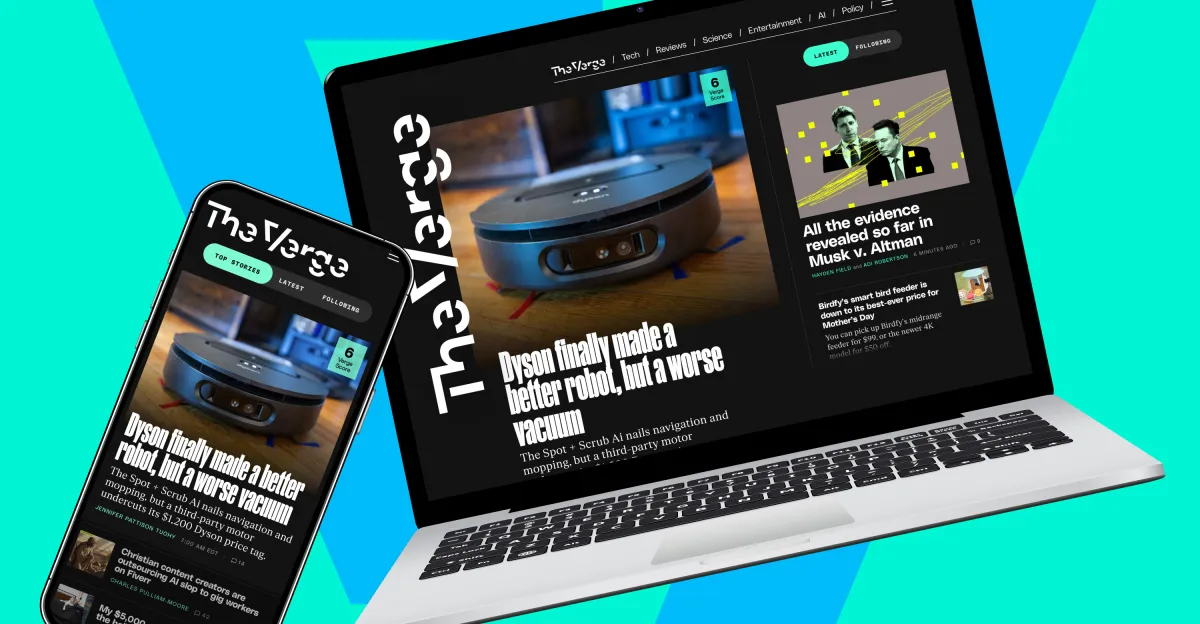
The Verge has issued a public statement acknowledging and categorising the influx of user feedback received regarding its newly launched homepage. The editorial team has organised responses into three distinct buckets to provide transparency regarding its approach to product updates. The first category, labelled "Yes, we should fix that", encompasses items requiring immediate attention, specifically addressing bugs and rough edges identified by readers.
The second group, described as "This is worth investigating", includes feedback that warrants further exploration. These submissions are characterised as repeated requests that may reflect broader user needs or pain points, even if the specific solutions proposed are not the ones ultimately pursued by the design team. The publication noted that this tier allows them to dig into themes that feel most meaningful without committing to every individual suggestion immediately.
The third category, titled "Not right now", covers ideas the team is not planning to implement at this stage. The editorial team emphasised that these concepts are not rejected because they are bad, but rather because of current capacity constraints. The statement explicitly noted that the publication is a small team where every decision must be weighed against time, complexity, and long-term vision.
In explaining the decision-making process, the team highlighted the need to balance editorial needs, business priorities, and the longer-term trajectory of the site against the volume of incoming suggestions. They acknowledged that while they appreciate the detailed and thoughtful reactions from the community, they cannot commit to implementing every idea submitted, particularly those requiring significant resourcing.
The Verge emphasised that it will remain open to continued feedback while being candid about its limited capacity to act on every request. The editorial team promised to keep prioritising meaningful improvements and working through necessary tradeoffs as they refine the user experience. They stated that the categorisation serves to clarify how the organisation is interpreting the sentiment behind the comments rather than providing a comprehensive audit of every individual message.
While specific timelines for implementing fixes or investigating new features were not defined in the statement, the publication committed to staying open about what they are seeing and learning as they go. The team invited readers to keep the feedback coming as they navigate the constraints of their operations and their ambitions for the future of the platform.
