The Death of Early Retirement: How Sports Science Is Rewriting Football’s Aging Curve
As the tournament features eight players in their forties, research indicates that longevity is no longer an anomaly but a result of precision athlete management and shifting positional demands.
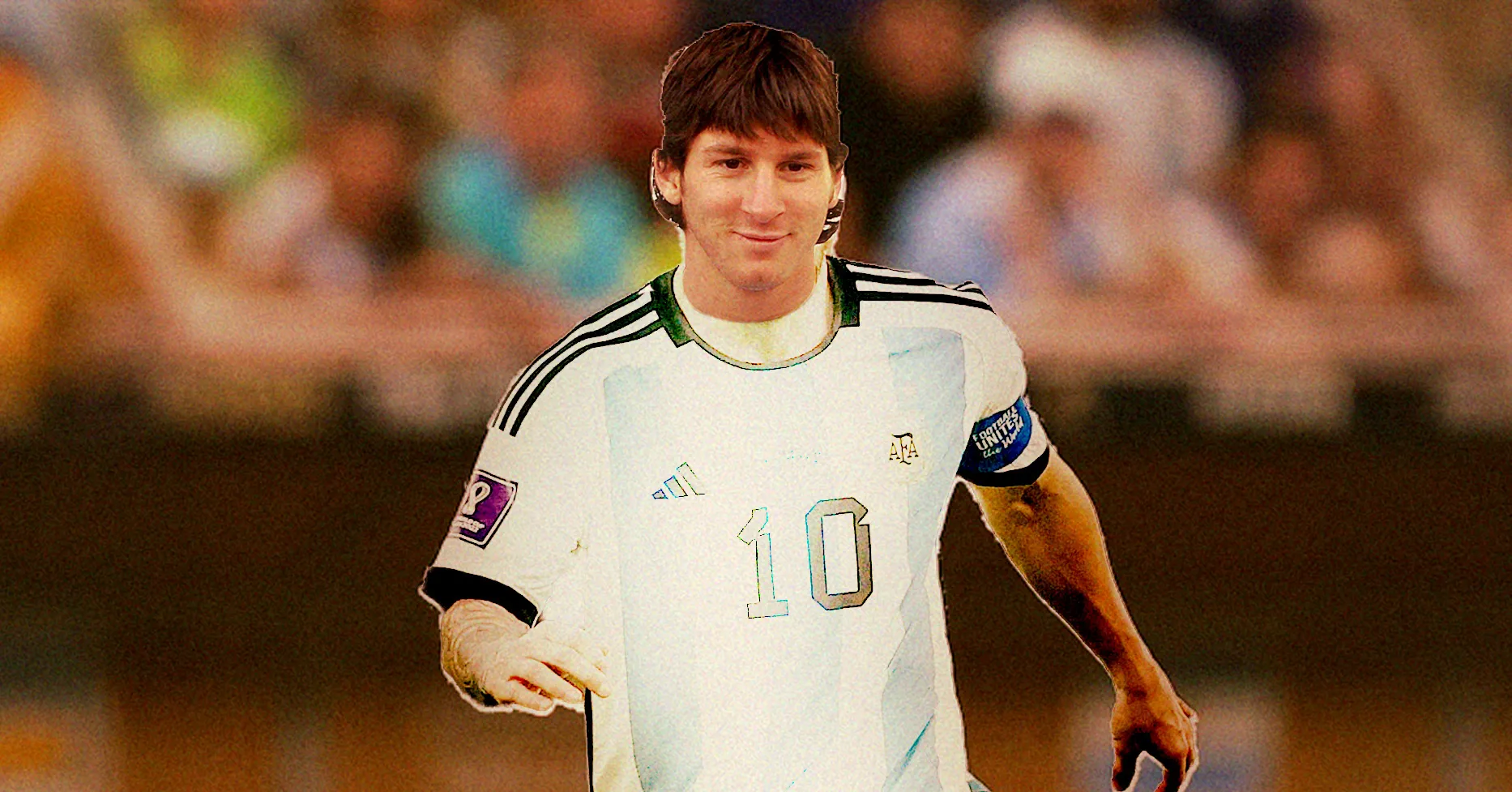
Lionel Messi, aged 39, and Cristiano Ronaldo, aged 41, are competing in the 2026 FIFA World Cup, highlighting a broader trend of elite footballers extending their careers. The tournament features eight players in their forties, more than any previous edition, as retirement ages rise across the sport. This shift is driven by advancements in sports science, individualised training programmes, and advanced recovery protocols that allow veterans to compensate for declining physical attributes with improved decision-making.
Historical data underscores the longevity of modern players. A long-term study of 3,467 retired Portuguese footballers from 1960 to 2018 indicated that while the average retirement age was 32.7 years, longevity is shaped by long-term athlete management and career adaptation. Similarly, a 2019 peer-reviewed study in Frontiers of Psychology found the average age of UEFA Champions League players rose from 24.9 years in 1992-93 to 26.5 years by 2017-18. The 2026 World Cup continues this trajectory, featuring Cape Verde’s 40-year-old goalkeeper Vozinha, identified as one of the tournament’s breakout stars.
Veteran players are increasingly compensating for declining physical attributes, such as explosive speed and stamina, with improved decision-making. Research suggests central defenders and central midfielders become more accurate passers with age, whereas external defenders, midfielders, and forwards experience more notable losses in endurance. Messi exemplifies this adaptation; according to The Athletic, FIFA tracking data shows he has spent 63 percent of his movement time walking during the 2026 World Cup, conserving energy for key moments.
A 2024 review of athletes with extended careers found a correlation between longevity and increasingly individualised training programmes tailored to injury history and physical capacity. Clubs now rely on evidence-based recovery built around the “4Rs”: rehydrate, refuel, repair, and rest. This includes GPS tracking, heart-rate monitoring, and sleep analysis. Ronaldo has publicly shared his home recovery routine, which includes sleep tracking, cryotherapy, and a dedicated team of physiotherapists and nutritionists, illustrating the commercial and scientific investment in keeping stars on the pitch.
The trend is visible across the tournament’s veteran contingent. Guillermo Ochoa, aged 41, is stepping away from professional football after becoming the first goalkeeper to make six World Cup squads. Brazil’s Neymar, aged 34, and Germany’s Manuel Neuer, aged 40, have also announced their retirement from international football. While teenage stars like Lamine Yamal emerge, the data confirms that football is getting older because veterans are leaving later, not because young players have disappeared.